CNN, MS NOW and Politico to sue Trump administration over White House access

Daftar Isi
Three Major News Outlets Challenge White House Press Ban in Federal Court
Earthguardiansonline.com – CNN, MS NOW and Politico are moving to challenge the Trump administration’s decision to bar their journalists from the White House, setting up a major court fight over press freedom, access to government institutions and the limits of presidential authority.
The three organizations said they would file an emergency First Amendment lawsuit in the US District Court for the District of Columbia on Monday. The request could quickly bring the dispute before a federal judge, with hearings and arguments from the administration possible as early as this week.
“This morning, we notified the government that we are filing a lawsuit today to protect our First Amendment rights and defend the principle that the government does not decide what the press reports or publishes,” the news organizations said in a joint statement.
The outlets said the White House withdrew their journalists’ credentials without advance notice or a process for contesting the move. They argued that the action was prompted by objections to their journalism, rather than any stated security concern.
“Without notice or process, the White House revoked our journalists’ credentials because it objected to our reporting,” the organizations said. “Left unchallenged, this threatens press freedom and the public’s right to independent journalism free from government interference.”
Access Revoked After Criticism of Coverage
President Donald Trump announced the ban last Friday, saying he objected to what he described as negative coverage from the outlets. He also suggested that additional news organizations could be added in the future.
“If they want to write them, that’s fine. I don’t have to let them into the people’s house,” Trump said.
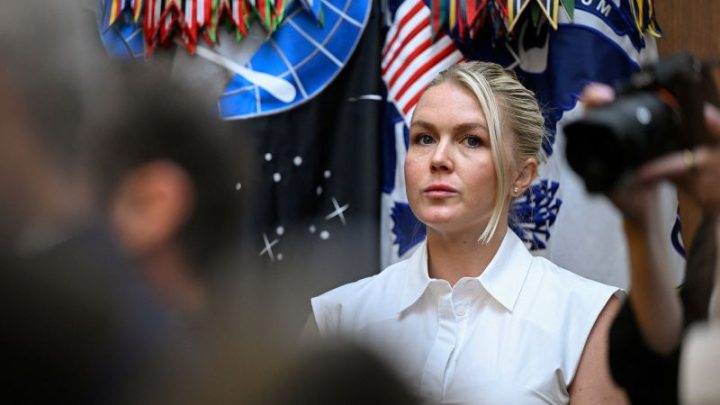
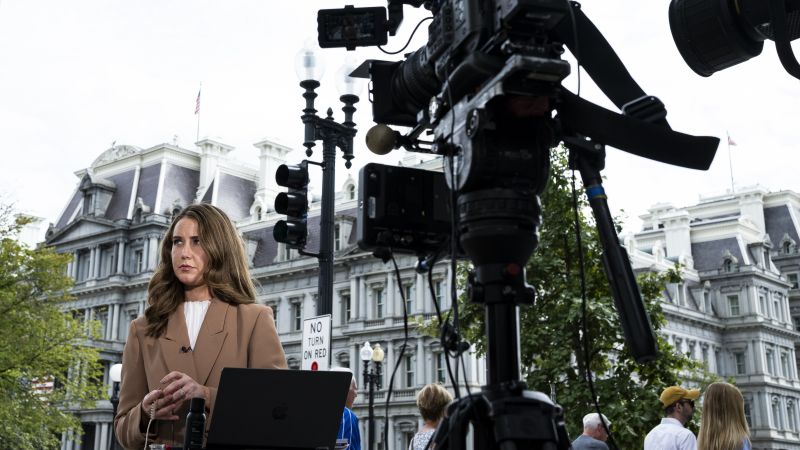
Following the announcement, press passes for CNN, MS NOW and Politico journalists were deactivated. On Saturday, MS NOW’s Akayla Gardner, CNN’s Betsy Klein and Politico’s Cheyenne Haslett attempted to enter White House grounds for reporting assignments. Secret Service personnel denied them entry and took their credentials.
The ban has immediate operational consequences. Reporters from all three organizations can no longer use workspace inside the White House. CNN and MS NOW have also lost access to their television equipment and camera positions on the grounds.
CNN was additionally removed from its role in pooled White House coverage on Monday. The network had been assigned television pool duty and was expected to travel with the president to New York that day. Pool coverage allows major outlets to share reporting from events where space or access is limited, making the removal significant beyond the network itself.
First Amendment Questions at the Center of the Case
The lawsuit is expected to focus on viewpoint discrimination, a First Amendment principle that limits the government’s ability to penalize speech because of the position or criticism it expresses. Trump’s public comments about unfavorable stories are likely to be central to the legal challenge.
Constitutional and media-law specialists have widely criticized the restrictions as discriminatory and abrupt. Their concern is not limited to the three affected organizations: a ruling that permits government officials to exclude news outlets over critical coverage could reshape how the White House manages access for the broader press corps.
Federal courts have previously rejected efforts by Trump and other White House officials to restrict individual reporters or organizations because of their coverage. Judicial decisions have emphasized that the government cannot deny journalists access to White House reporting opportunities merely because officials dislike what they publish or say.
The case will be heard initially in the DC District Court, where several judges have issued press-freedom rulings and decisions against discriminatory administration policies since Trump returned to office last year.
Longstanding Legal Protections for White House Credentials
The dispute also raises due-process issues. Existing precedent in the District of Columbia holds that White House credentials cannot simply be revoked without procedural protections when press areas are generally available to journalists and no national-security justification has been established.
That legal framework traces in part to a 1977 dispute involving Robert Sherrill, a reporter for The Nation. The Secret Service revoked Sherrill’s White House pass, but federal courts in Washington restored it. The DC Circuit Court of Appeals concluded that denial of a White House credential violates the First Amendment when it rests on the content of a journalist’s speech or discriminates against protected speech.
At least one administration official argued in a television interview on Sunday that a 1965 Supreme Court decision involving the government’s refusal to validate passports for travel to Cuba supports Trump’s position. The outlets’ anticipated filing, however, will seek to distinguish the current conflict as one involving access to a press environment that has historically been governed by constitutional and procedural safeguards.
The outcome could determine whether the White House may selectively remove access from news organizations it considers hostile, or whether established protections require officials to maintain neutral standards for credentialing and press access. For the three outlets, the immediate goal is restoration of their ability to report from the White House. For the public, the case tests whether scrutiny of government officials can itself become grounds for exclusion.
Related Reading
Frequently Asked Questions
What is CNN MS NOW and Politico to sue?
CNN MS NOW and Politico to sue is the main topic of this guide. The article explains the context, practical details, and next steps readers should understand.
Why does CNN MS NOW and Politico to sue matter?
CNN MS NOW and Politico to sue matters because readers are looking for a useful answer, not just a short summary. Good content should match search intent and help them decide what to do next.