The Trump administration said it would prioritize ending mother-to-child HIV transmission. Health workers say it cut services

HIV Care Gaps Put Mothers and Babies at Risk
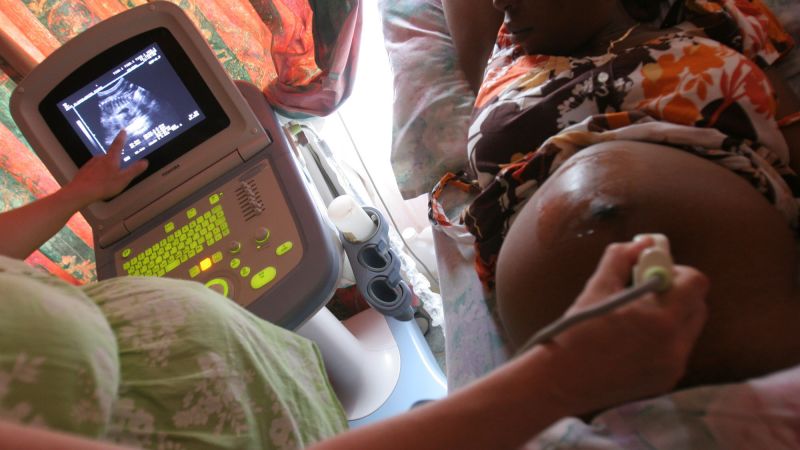
Earthguardiansonline.com – The Trump administration said it would prioritize services that prevent HIV transmission from mothers to babies, but health workers say funding cuts have still damaged the wider systems families rely on. In Tanzania and other countries, disrupted staffing, clinic operations and follow-up care have raised concerns for pregnant women, infants and children affected by HIV.
In Mbeya, Tanzania, pediatrician Dr. Theopista Masenge had been introducing treatment approaches for children with high HIV viral loads when her program was ordered to stop in January 2025. The program supported HIV-exposed babies, children and pregnant women, but a USAID letter directed it to halt work immediately.
“It was really, very abrupt, and I recall even the hospital managers were running up and down like, ‘What are we going to do?’”
Masenge later lost her job and described the shutdown as the sudden removal of a care system developed over nearly four decades. Although some limited US funding has since resumed, she said interruptions to Tanzanian HIV and AIDS services for mothers and children have continued.
Prevention promises meet disrupted care
The Trump administration said it would protect and prioritize HIV services aimed at preventing mother-to-child transmission amid wider reductions in global health funding. However, a July study by amfAR and Johns Hopkins University found extensive disruption among organizations that had received funding from the President’s Emergency Plan for AIDS Relief, or PEPFAR.
The survey covered 166 organizations in 46 countries, representing 23% of all PEPFAR partner organizations. Nearly two-thirds of respondents, or 63%, reported disruptions to programs preventing HIV transmission from mothers to babies. Another 22% said those prevention services had stopped altogether during the funding cuts.
Elise Lankiewicz, a senior policy associate at amfAR, said PEPFAR grants typically support connected health services rather than one isolated task. That makes it difficult to preserve prevention programs when other parts of the care system are being dismantled.
“There was really no way to protect very singular parts of the system while dismantling others.”
Why continuity matters for mothers and infants
The Trump administration said it would focus on ending mother-to-child HIV transmission, yet that goal depends on far more than medication supplies. Pregnant women need HIV testing, counseling and consistent treatment support. Babies exposed to HIV need follow-up appointments and early diagnosis so they can be tested, monitored and linked to treatment quickly.
When clinics close, trained workers lose their jobs or patients stop returning for appointments, every part of that chain can weaken. The amfAR survey found that 1,714 clinics previously supported by PEPFAR closed globally last year.
Masenge, now president of the Paediatric Association of Tanzania, said she is particularly worried about the quality of care available to children and mothers. She said some families no longer return to facilities for medication because they believe services have worsened, while early infant diagnosis has also suffered.
Tanzania FAQ: What families need to know
Why is early infant diagnosis important? Infants exposed to HIV need timely testing so health workers can identify infection early, begin treatment when needed and monitor the child’s health.
Does a lower number of children in treatment mean fewer children need care? Not necessarily. Health experts warn that lower treatment numbers may indicate fewer children are being tested, identified or connected to services.
What is the main concern after aid disruptions? The Trump administration said it would prioritize prevention, but health workers say the concern is whether families can still access reliable testing, treatment, counseling and follow-up care without interruption.
Related Reading
Frequently Asked Questions
What is The Trump administration said it would?
The Trump administration said it would is the main topic of this guide. The article explains the context, practical details, and next steps readers should understand.
Why does The Trump administration said it would matter?
The Trump administration said it would matters because readers are looking for a useful answer, not just a short summary. Good content should match search intent and help them decide what to do next.