
Nature vs Urban Environment: The Ultimate Comparison of Modern Living
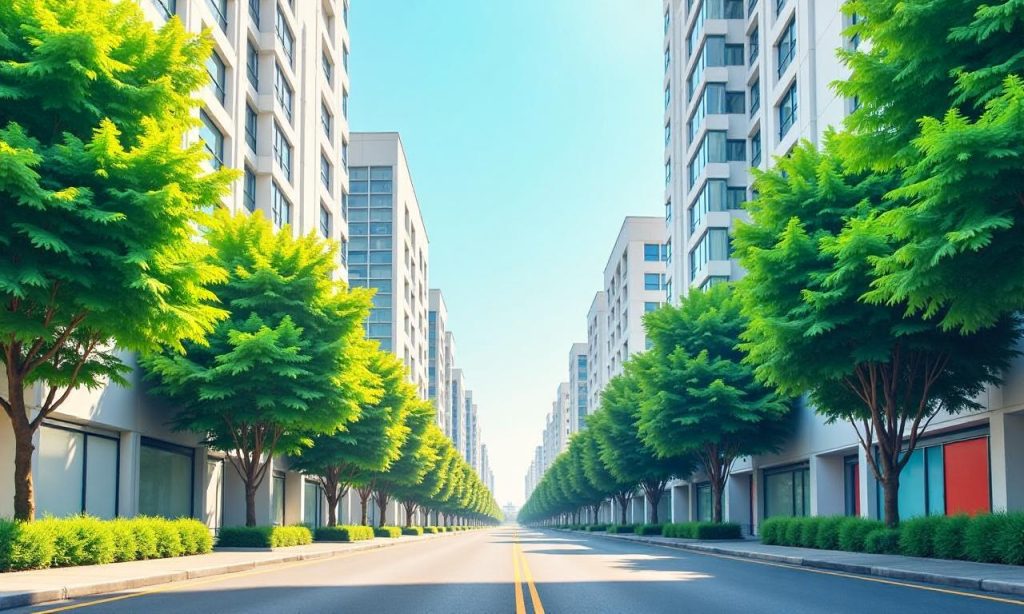
In the fast-paced world we live in today, the debate between nature vs urban environment has become more relevant than ever. As cities expand and nature vs urban environment continues to shape our daily lives, people are increasingly questioning which setting offers the best quality of life. From the serene landscapes of forests and oceans to the dynamic hustle of skyscrapers and traffic, both environments have distinct advantages and challenges. This article explores the nature vs urban environment comparison in depth, analyzing factors such as mental health, environmental impact, convenience, and sustainability. Whether you’re someone who thrives in the noise and activity of a city or prefers the peace and quiet of natural surroundings, understanding the pros and cons of each can help you make informed choices about where to live, work, and grow.
The Psychological Impact of Nature vs Urban Environment
The psychological effects of living in a nature vs urban environment are profound and often debated. While urban areas offer convenience, social opportunities, and economic growth, they can also contribute to stress and anxiety due to constant noise, crowded spaces, and time pressure. Conversely, nature environments are frequently associated with calmness, renewal, and well-being. Studies have shown that spending time in natural settings can lower cortisol levels, reduce anxiety, and improve overall mood. For example, a 2019 study published in Nature Communications found that individuals who regularly engage with green spaces experience lower rates of depression compared to those in urban areas.
On the other hand, urban environments can foster social interaction and professional opportunities, which are essential for personal development. However, the fast-paced lifestyle in cities often leads to burnout and mental fatigue. The nature vs urban environment contrast is not just about aesthetics; it’s about how each setting influences our emotional state and cognitive function. For instance, urban environments are known for high levels of air pollution, which can affect brain function and focus, whereas nature environments provide a soothing atmosphere that encourages mindfulness and relaxation.
The Role of Green Spaces in Urban Areas
Even in urban environments, efforts to integrate green spaces are becoming more common. Parks, gardens, and rooftop terraces serve as sanctuaries where people can escape the chaos of city life. These spaces not only improve air quality but also create opportunities for social engagement and physical activity. For example, nature vs urban environment studies have shown that city dwellers who access green areas regularly report higher satisfaction with their mental health. This highlights the importance of designing urban spaces with nature in mind to mitigate the negative effects of concrete jungles.
The Benefits of Nature in Mental Health
Living in nature environments has been linked to long-term mental health benefits. Nature vs urban environment research consistently shows that exposure to natural landscapes can reduce symptoms of stress and enhance emotional resilience. The presence of trees, open fields, and water sources in natural areas stimulates sensory experiences that renew the mind and body. In contrast, urban environments often lack these natural elements, leading to increased feelings of isolation and cognitive overload.
Additionally, nature vs urban environment comparisons reveal that people living in rural areas tend to have lower rates of chronic illnesses such as hypertension and cardiovascular disease. This is partly due to healthier lifestyles associated with outdoor activities, cleaner air, and more physical movement. While urban environments offer access to medical facilities and health services, they may also contribute to sedentary habits and poor diet choices, which can negatively impact well-being.
Environmental Considerations in Nature vs Urban Environment
When comparing nature vs urban environment, environmental factors play a critical role in determining the sustainability of each setting. Urban environments are often associated with pollution, climate change, and resource depletion, while nature environments are seen as eco-friendly and resilient. However, the balance between the two is not always clear-cut. For example, urban areas can be more energy-efficient in some cases due to concentrated infrastructure and public transportation systems, whereas natural environments may face threats from deforestation and land development.
Air Quality and Pollution
One of the most significant environmental differences between nature vs urban environment is air quality. Urban environments are known for high levels of air pollution, primarily due to vehicle emissions, industrial activity, and construction projects. In contrast, natural environments typically have cleaner air and lower carbon footprints. According to the World Health Organization (WHO), air pollution in cities is a major contributor to respiratory diseases and early mortality. However, eco-friendly urban initiatives such as electric vehicles and green buildings are helping to reduce the environmental impact of urban living.
Water Resources and Biodiversity
Another key aspect of nature vs urban environment is water availability and biodiversity. Natural environments often have cleaner water sources, protected ecosystems, and rich wildlife habitats, while urban areas can experience water scarcity and habitat destruction. For instance, cities with limited green spaces may struggle with heat islands, where temperatures rise due to concrete surfaces and lack of vegetation. This urban heat effect can worsen air quality and increase energy consumption for cooling systems.
Climate Resilience and Sustainability
In terms of climate resilience, nature environments often outperform urban areas. Forests, wetlands, and oceans act as natural buffers against climate disasters, absorbing carbon dioxide, reducing flood risks, and regulating temperatures. Meanwhile, urban environments are more vulnerable to climate change due to concrete infrastructure and limited green cover. However, sustainable urban planning is emerging as a solution, with green roofs, renewable energy sources, and eco-friendly materials being integrated into city designs.
Lifestyle and Social Dynamics in Nature vs Urban Environment
The lifestyle differences between nature vs urban environment are as varied as the environments themselves. Urban living often revolves around convenience, technology, and social interaction, while nature living emphasizes simplicity, self-sufficiency, and connection with the environment. These contrasts influence daily routines, work-life balance, and personal relationships.
The Pace of Life in Urban Areas
Urban environments are characterized by fast-paced lifestyles, with non-stop activity from commuting to work meetings and social events. The availability of services such as 24/7 restaurants, shopping centers, and entertainment venues makes city life convenient, but it can also lead to chronic time pressure and burnout. In contrast, nature environments often encourage slower, more reflective living, where routines are less rigid and there is more time for relaxation.
Social Interaction and Community in Urban Areas
While nature environments may offer tranquil settings, urban areas are more socially dynamic. The density of population in cities fosters opportunities for social interaction, cultural diversity, and community engagement. However, this connectivity can sometimes lead to superficial relationships and increased stress from constant interaction. In natural environments, community bonds are often stronger due to shared experiences like farming, hiking, and seasonal events.
Technology and Innovation in Urban Living
Urban environments are the birthplace of technological innovation, offering access to advanced infrastructure, high-speed internet, and modern healthcare facilities. The integration of smart technology in cities has revolutionized daily life, making tasks more efficient and communication easier. However, this reliance on technology can also lead to detachment from the natural world and increased screen time. In nature environments, technology is often used minimally, allowing individuals to focus on the present and reconnect with their surroundings.
The Future of Urban Planning: Bridging Nature vs Urban Environment
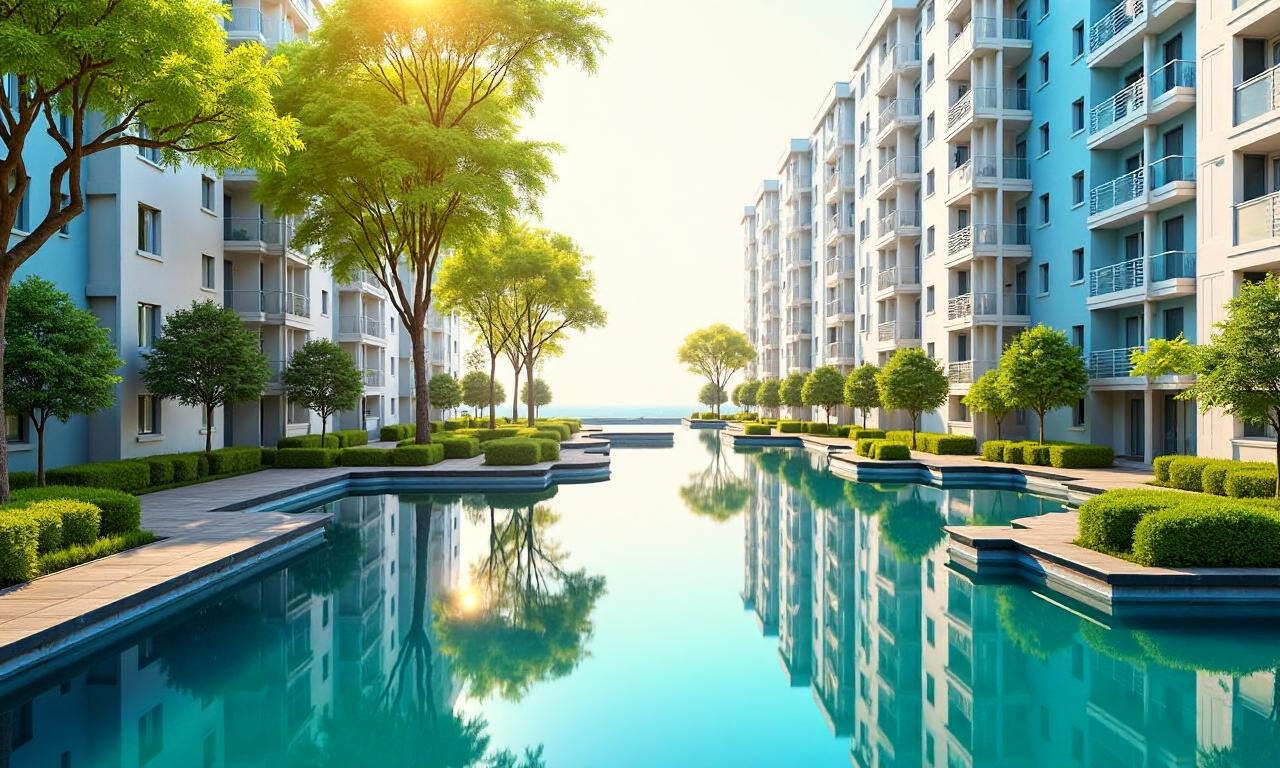
As the demands of modern living evolve, the future of urban planning is shifting toward integrating nature vs urban environment. Smart cities are now designing green spaces into their urban landscapes, creating hybrid environments that combine the best of both worlds. For example, vertical gardens, community farms, and rainwater harvesting systems are becoming common in cities to mitigate environmental issues and enhance quality of life.
Sustainable Urban Development
The transition to sustainable urban development is shaping the future of nature vs urban environment. Green architecture, renewable energy, and eco-friendly transportation are key components of modern urban planning. These initiatives aim to reduce the ecological footprint of cities while maintaining their economic and cultural benefits. For instance, cities that prioritize sustainability often see improved air quality, lower energy costs, and increased biodiversity. This approach to urbanization is redefining the nature vs urban environment debate by showing that both can coexist.
Smart Cities and Technological Integration
Smart cities are leveraging technology to optimize urban living and enhance environmental sustainability. Smart grids, autonomous vehicles, and data-driven infrastructure are transforming how we interact with urban spaces. However, these advancements are often paired with green initiatives to ensure that technology does not overshadow nature. For example, urban areas are adopting solar panels, energy-efficient buildings, and green roofs to reduce carbon emissions and create more sustainable living conditions. This blending of technology and nature is key to addressing the challenges of urbanization.
The Role of Public Policy
Public policy plays a vital role in shaping the future of nature vs urban environment. Governments are implementing regulations to promote green spaces, limit pollution, and encourage eco-friendly practices. These policies are essential for ensuring that urban growth does not come at the expense of natural environments. For example, cities with strong environmental policies often see reduced traffic congestion, improved public health, and greater community well-being. This strategic approach to urban development is allowing both nature and urban life to thrive in harmony.
Conclusion: Finding the Right Balance
In conclusion, the nature vs urban environment comparison highlights the unique strengths and challenges of each setting. Nature environments offer mental and physical health benefits, cleaner air and water, and opportunities for community and sustainability. Meanwhile, urban environments provide convenience, economic opportunities, and technological advancements. The key to modern living lies in finding the right balance between the two. Whether through green urban design, sustainable practices, or personal lifestyle choices, integrating nature into urban life can enhance the quality of living without compromising the benefits of modernization. As cities continue to grow, it’s essential to recognize the value of nature and work towards a more harmonious coexistence. This approach will not only improve individual well-being but also support the long-term health of our planet.
