
Cats or dogs? In East Asia, more people are becoming feline fans
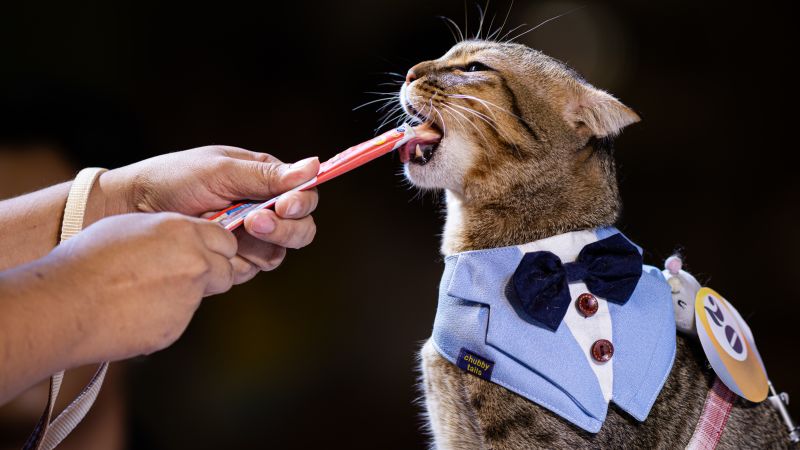
A Growing Feline Obsession in East Asia
Cats or dogs In East Asia – In the heart of East Asia, a subtle yet significant shift is occurring in the way people view pets. Once a simple choice between feline and canine companions, this preference is increasingly tilting toward cats. Urbanization, fast-paced lifestyles, and changing social dynamics have created an environment where cats are becoming more than just pets—they’re companions in a rapidly evolving world.
From Dogs to Cats: A Trend Across the Region
Japan, often cited as the origin of this trend, saw cats surpass dogs in popularity over a decade ago. The same pattern has since spread to mainland China, where the cat population surged by nearly 33% between 2023 and 2025, according to a government survey. In Taiwan, a self-governed island, the balance tipped in 2025 when the number of pet cats exceeded that of dogs for the first time. Even in regions where dogs remain more common, such as South Korea and Hong Kong, cats are steadily gaining traction.
Experts attribute this shift to the demands of city life. “Cats are more convenient in a metropolitan setting because you don’t need to take them out for walks every day,” said Ellen Chung, a Hong Kong resident. Speaking at a bustling cat café, she noted how the presence of feline companions in urban areas caters to the needs of busy professionals. “Some people fear dogs, and others just prefer their cuter demeanor.” Her words reflect a broader sentiment among East Asians who find cats to be more adaptable to the constraints of modern living.
Cultural and Economic Drivers
The rise in cat ownership parallels a decline in traditional family structures. In Japan, for example, the cultural icon Hello Kitty, born in 1974, has become synonymous with feline affection. The cartoon cat not only inspired a global $80 billion industry but also embedded cats into the collective consciousness of the region. Meanwhile, cat islands like those in Japan have emerged as popular tourist spots, showcasing the deep-rooted connection between the nation and its feline friends.
South Korea, however, has a unique history with cats. For years, cats were linked to bad luck or even evil spirits, which kept their popularity below that of dogs. This perception began to change during the pandemic, as lockdowns limited outdoor activities. According to a 2025 report by KB Financial Group, the number of pet cats in the country spiked sharply. “Cats are easier to care for indoors,” explained Dr. Beijing Gong Su-hyun, a veterinarian in Hwaseong, South Korea. “With fewer opportunities for outdoor play, people found cats to be a more manageable option.”
Across East Asia, young people have migrated from rural areas to densely populated cities, often leaving behind aging populations in the countryside. This migration has created a demographic shift, with cities becoming hubs for employment and social life. The pressures of urban existence—long work hours, stagnant wages, and high living costs—have made cats a more practical choice. “City life demands efficiency,” said Joe Ngai, an assistant professor at Hong Kong Shue Yan University. “Cats fit seamlessly into this rhythm, offering companionship without the time or space constraints of dogs.”
Loneliness and the Role of Cats
Amid these changes, loneliness has emerged as a critical factor. In crowded cities, many individuals live alone, their social circles shrinking and responsibilities piling up. Cats, with their independent nature, provide comfort without requiring the same level of commitment as dogs. “People are choosing pets as a substitute for children,” remarked Paul Wong, a clinical psychologist at the University of Hong Kong. “Cats fulfill the emotional needs of companionship, especially for those who can’t afford the time or resources for a family.”
Wong highlighted the evolving role of animals in society, noting how they’ve transitioned from utilitarian purposes to emotional support. Historically, dogs were valued for their ability to guard homes, while cats were used for pest control. Today, their primary function is to combat loneliness, a trend reinforced by the pandemic’s isolation. “The global health crisis forced people to stay indoors, and cats became the perfect companions,” Wong explained. “They’re low-maintenance, affectionate, and don’t demand the same level of attention as dogs.”
Urbanization and the Future of Pet Ownership
The growing preference for cats is also tied to the physical characteristics of modern cities. Small apartments and limited outdoor spaces make cats more viable as pets than dogs. In Hong Kong, where space is at a premium, cats have thrived. “The constraints of city living make cats the logical choice,” said Ngai. “They adapt well to indoor environments, and their care is more flexible for individuals with hectic schedules.”
This trend isn’t just anecdotal. In China, the number of pet cats is projected to outpace toddlers in the near future. “The younger generation is prioritizing pets over traditional family structures,” said Gong Su-hyun. “Cat adoptions have grown significantly, and more people are volunteering at shelters, showing a deeper emotional investment.” The shift is also linked to broader societal changes, such as declining birth rates and a reluctance to marry or have children. “Hyper-competitive job markets and the stress of overwork are pushing people toward alternatives,” noted Wong. “Cats offer a form of companionship that feels less burdensome than raising a child.”
Japan’s population has shrunk for 16 consecutive years, a phenomenon tied to the increasing preference for cats over children. The country’s government has introduced legal limits on overtime hours to address the issue of “death by overwork,” yet the cultural shift toward feline companionship continues. In South Korea, the same forces are at play: young professionals navigating high-stress careers often find cats to be a more accessible solution to loneliness.
As East Asian cities grow denser and life becomes more demanding, cats are increasingly seen as the ideal companion. Their adaptability to urban settings, combined with their perceived cuteness and low-maintenance nature, makes them a popular choice. Whether through a casual visit to a cat café or a dedicated adoption center, the region’s love for cats is reshaping the pet-owning landscape. For many, this isn’t just a trend—it’s a reflection of changing priorities in a world where time, space, and emotional needs are constantly in flux.
Conclusion: A Feline Revolution
What began as a simple question—cat or dog—has evolved into a complex conversation about urban living, loneliness, and societal transformation. As East Asians grapple with the challenges of modern life, cats are emerging as the preferred choice. Their rise isn’t just about affection; it’s about survival in a world that values convenience, independence, and emotional connection. In this new era, the feline may hold the key to a more fulfilling companionship than ever before.
