
Cuba says CIA Director John Ratcliffe met with interior minister in Havana
Cuba Announces CIA Director’s Meeting with Interior Minister in Havana
Cuba says CIA Director John Ratcliffe – On Thursday, the US Central Intelligence Agency (CIA) Director John Ratcliffe led a delegation to Havana, where he held discussions with Cuban government officials. This visit takes place as Cuba faces a severe energy crisis, compounded by heightened tensions with the United States, according to statements from Havana. The meeting, organized in response to a US request, marks a notable step in the ongoing diplomatic exchange between the two nations.
The Cuban government confirmed that the Revolutionary Directorate, the agency responsible for overseeing internal security, permitted the visit. “The Revolutionary Directorate approved this meeting with the US delegation, headed by the CIA Director, to foster dialogue,” the statement said. This encounter is significant, as it occurs amid Cuba’s long-standing accusations against the CIA for undermining its revolutionary progress. The meeting highlights the shifting dynamics between the two countries, with Havana positioning itself as a key player in the current geopolitical climate.
Escalating Tensions and US Accusations
Cuba has repeatedly emphasized its stance during the meeting, asserting that it poses no threat to US national security. “Cuba does not threaten the United States,” officials stated, countering claims that the island should be listed as a State Sponsor of Terrorism. These remarks come as the Trump administration maintains its designation of Cuba on the terrorism list, a policy that has drawn criticism from Cuban leaders. The country also denied allegations of harboring or supporting terrorist groups, a charge the US has leveled for years.
Furthermore, Havana reiterated its position that it does not host foreign military or intelligence bases. This comes amid reports of increased US surveillance activities, including military flights over Cuban waters. The visit by Ratcliffe is seen as part of a broader effort to pressure Cuba into concessions, particularly in light of the economic challenges the island currently faces.
Trump’s Comments and the Aid Offer
News of the meeting follows closely on the heels of remarks made by former President Donald Trump, who recently described Cuba as a “failed country” in need of assistance. In a post on Truth Social, Trump claimed the island was “asking for help” due to its worsening economic crisis, while hinting at a potential shift in US policy toward the nation. “We are going to talk!!!” he wrote, signaling optimism for renewed engagement.
Trump’s comments emerged after his administration intensified sanctions against Cuba and imposed an oil blockade to curb its economic growth. These measures have left the country reliant on a single shipment of Russian oil, which has since been depleted. Cuban Energy and Mines Minister Vicente de la O Levy noted in a televised address that the nation’s oil reserves are nearly exhausted, threatening its fragile electrical grid. The minister’s remarks were made just hours after the US State Department announced a $100 million aid package aimed at supporting Cuba’s transition to a more market-driven economy.
Aid Package and Connectivity Efforts
The proposed aid includes the donation of Starlink terminals, which the US claims will boost internet access across Cuba. This initiative would challenge the Cuban government’s control over digital infrastructure, potentially reshaping the country’s communication landscape. However, Cuban leaders argue that the most effective way to ease the crisis is by lifting the economic blockade, a move they believe would address the root causes of the country’s struggles.
President Miguel Díaz-Canel expressed openness to the aid package in a post on X, stating that Cuba would welcome assistance from the US. Yet, he stressed the importance of easing the blockade, describing it as a “humanitarian issue” that has been exacerbated by US policies. “The damage could be alleviated more easily by lifting the blockade,” Díaz-Canel noted, underscoring the island’s reliance on imports for survival.
Historical Context and Future Prospects
This visit by the CIA represents a rare diplomatic gesture, as the US has maintained a cautious approach toward Cuba in recent years. The meeting follows a previous delegation meeting in late March, when a senior US team engaged with Cuban officials to push for reforms. The State Department official cited by CNN emphasized that time was running out for Havana to implement changes, warning that further delays could lead to irreversible consequences.
The US delegation also highlighted the need for Cuba to undertake significant economic and governance reforms, including measures to attract foreign investment and promote private sector growth. Additionally, they urged the Cuban government to release political prisoners and expand political freedoms, a demand that has been central to US policy toward Havana. The officials raised concerns about the presence of foreign intelligence groups operating within 100 miles of the US, a point that has fueled skepticism about Cuba’s alignment with external powers.
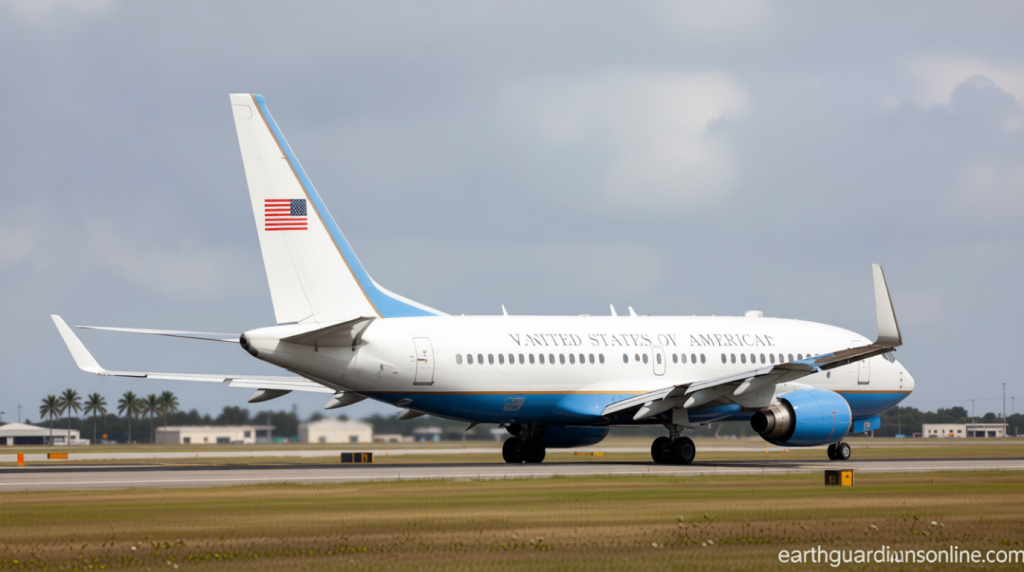
Notably, this is the first time a US government aircraft has landed in Cuba since 2016, when former President Barack Obama visited the island as part of a bid to normalize relations. The current visit, however, signals a different tone, with the CIA leading the charge rather than the State Department. Analysts suggest this could be a strategic move to address the energy crisis directly, while also testing Cuba’s willingness to engage with US interests.
Cuba’s energy woes have become a focal point of international attention, as the country’s reliance on oil imports has dwindled. With the US blocking shipments for over four months, the island’s electricity supply is under strain, affecting daily life and critical services. The Starlink terminals, if deployed, could provide an alternative to the internet monopoly held by the Cuban government, but their impact remains uncertain.
Broader Implications for US-Cuba Relations
The meeting between Ratcliffe and Cuba’s Interior Minister reflects a broader trend of renewed dialogue between the two nations. While the Trump administration has been criticized for its hardline stance, the latest developments suggest a potential pivot toward pragmatic cooperation. However, the effectiveness of this engagement will depend on whether both sides can align on key priorities, such as economic reforms and the easing of sanctions.
Cuban officials have welcomed the offer of aid but remain firm on their demands for a comprehensive agreement. “Cuba is ready to accept assistance, but it must come with the removal of the blockade,” one government spokesperson stated. This sentiment echoes the views of many Cubans who believe the economic crisis is a direct result of US policies. The upcoming discussions will be closely watched to determine if they lead to tangible progress or another round of stalled negotiations.
As the situation unfolds, the focus remains on whether Cuba can secure the necessary resources to stabilize its energy sector. The Starlink initiative, alongside the $100 million aid package, offers a glimpse of potential collaboration, but the broader implications of the meeting will depend on the outcomes of ongoing diplomatic efforts. The Cuban government’s willingness to engage with the US, despite its historical grievances, may signal a shift in the nation’s approach to international relations.
CNN has sought comment from the CIA on the details of the meeting, indicating that the agency’s role in this dialogue is central to the current negotiations. The evolving dynamics between the US and Cuba continue to shape the island’s future, with the energy crisis serving as a catalyst for renewed diplomatic activity. As both sides navigate their differences, the outcomes of these interactions will have far-reaching consequences for their bilateral relationship and regional stability.
This is a developing story, with further updates expected as the discussions progress. Jennifer Hansler of CNN contributed to the reporting on this matter.
