
Musk loses case against OpenAI
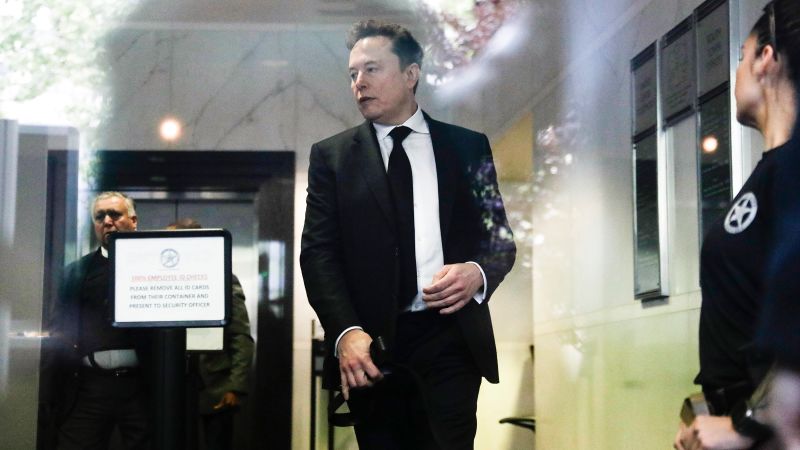
Elon Musk Loses Lawsuit Against OpenAI, Judicial Verdict Impacts AI Governance
Musk loses case against OpenAI – Elon Musk has suffered a notable defeat in his legal challenge against OpenAI, with a jury in Oakland, California, ruling that his case was barred by the statute of limitations. The decision, reached after about 90 minutes of deliberation, concluded that Musk had delayed initiating legal action against OpenAI’s leadership for an extended period, thereby losing his right to pursue the matter. This ruling signifies a pivotal moment in Musk’s relationship with the AI organization he once co-founded, highlighting the complexities of corporate accountability and legal strategy in the tech sector.
Key Details of the Lawsuit and Its Origins
Musk’s lawsuit against OpenAI revolved around allegations that the company’s founders had altered its original nonprofit structure by introducing a for-profit division. This shift, he claimed, undermined the charitable mission of OpenAI, which was initially established as a nonprofit entity. The case, filed in February 2024, targeted OpenAI’s CEO Sam Altman and president Greg Brockman, along with Microsoft, which was accused of playing a role in facilitating the structural change through its financial backing. The jury’s ruling emphasized the importance of timely legal action, which became a central argument in the case.
Throughout the trial, the focus remained on the timeline of events leading to the alleged breach of OpenAI’s nonprofit charter. Musk argued that the leadership’s decisions in 2023 constituted a violation of the original agreements, but the court found that the statute of limitations had expired, preventing him from continuing his legal claim. This legal principle, which dictates the permissible timeframe for initiating a lawsuit, was pivotal in determining the outcome. The verdict underscores how critical it is for plaintiffs to act promptly when pursuing legal remedies.
Reactions and Strategic Implications
The ruling has been met with mixed reactions, with OpenAI’s founders celebrating the decision as a validation of their governance choices. Sam Altman and Greg Brockman, now free from the threat of legal challenges, can focus on advancing the company’s growth initiatives. Meanwhile, Musk’s loss may influence his future strategies in the AI space, as he continues to operate xAI, his independent venture, with distinct objectives from OpenAI.
OpenAI’s leadership had consistently defended the transition to a for-profit model, stating it was essential for sustaining their research and expanding their impact in the AI field. The jury appeared to align with this perspective, determining that the structural change was a necessary business decision rather than an act of misappropriation. This outcome reflects the ongoing debate about balancing nonprofit ideals with the demands of commercial growth in fast-evolving industries.
Broader Industry Repercussions
Elon Musk loses case against OpenAI has far-reaching consequences for the AI industry, particularly in shaping how governance structures are perceived and managed. The case has sparked discussions about the role of major investors like Microsoft in influencing the trajectory of AI startups, as well as the legal implications of shifting from nonprofit to for-profit models. OpenAI’s ability to proceed with its IPO plans without legal interference may signal a positive trend for the sector’s future development.
As the AI landscape continues to evolve, the verdict in Musk’s case sets a precedent for similar disputes. It highlights the importance of clear contractual agreements and timely legal action, especially in organizations with significant financial backing. For OpenAI, the ruling not only removes a potential obstacle but also reinforces its position as a leader in the field, capable of pursuing long-term strategic goals without external legal pressure.
