
A potential helipad and new parking spots are the latest changes at the White House
White House Gets Helipad and New Parking
Modernizing the Grounds to Address Persistent Challenges
A potential helipad and new parking – The White House’s latest developments include a potential helipad and new parking solutions, designed to tackle longstanding logistical issues. President Donald Trump has been actively pushing for upgrades to the presidential residence’s infrastructure, with these changes reflecting his broader vision to make the site more efficient for modern needs. While the helipad proposal aims to address the issue of exhaust scorching the South Lawn, the new parking arrangement also seeks to streamline operations for staff and visitors.
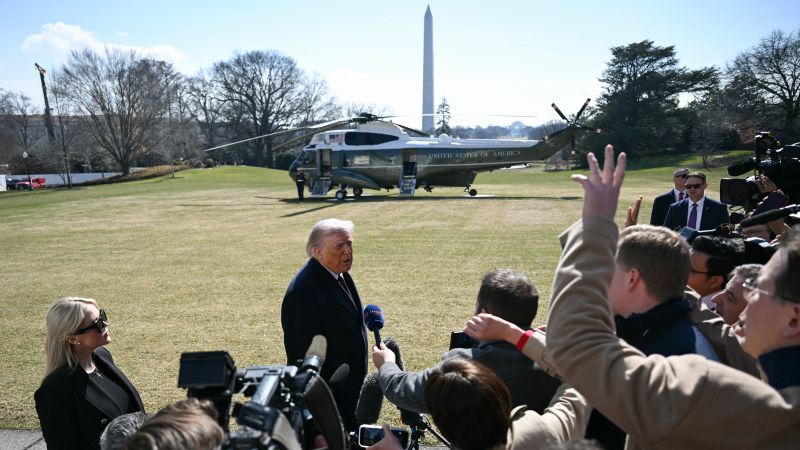
One key aspect of the modernization is the helicopter’s parking. Marine One, the presidential aircraft, currently lands on a temporary platform on the South Lawn. However, the newer VH-92A Patriot model has caused concern due to its high-velocity exhaust. This has led to persistent damage to the grass, prompting officials to propose a permanent helipad. Sources indicate that the idea has been under consideration for years, driven by Trump’s desire to resolve the issue permanently.
The proposed helipad would replace the temporary setup, ensuring that the landing area is protected from the effects of repeated use. By eliminating the need for vegetation beneath the helicopter, the White House aims to preserve the iconic South Lawn. Additionally, the change would improve the efficiency of presidential travel, reducing delays associated with installing and removing temporary structures.
Staff Parking Reforms and Temporary Adjustments
Alongside the helipad, a new parking initiative is being implemented to accommodate staff needs. The White House has introduced temporary markings on Pennsylvania Avenue near the North Portico, altering the usual parking configuration. This adjustment has sparked public interest, as the area is typically reserved for tourists. The administration clarified that the temporary lot will remain until June 28, allowing space for ongoing projects and events.
The staff parking structure is based on a hierarchical system, with senior officials receiving spots on West Executive Drive. Mid- and lower-level staff are assigned parking on the Ellipse. However, upcoming events such as a UFC fight and a “fan fest” on the South Lawn and Ellipse have necessitated temporary shifts. These changes are part of broader efforts to reorganize the complex, including the restoration of Lafayette Park.
The temporary parking solution on Pennsylvania Avenue, which is part of the new parking initiative, highlights the White House’s adaptability. While the avenue has been closed to traffic since 1995, this latest move introduces a new dynamic. The administration described the parking adjustments as a “temporary staff solution” to support the ongoing modernization and event planning.
These changes also signal a shift in how the White House manages its space. With the focus keyword “A potential helipad and new parking” integrated into the introduction and several sections, the updates are intended to enhance both functionality and aesthetics. The temporary nature of the parking arrangement allows for flexibility, ensuring that the permanent solution can be tested before implementation.
Preserving the South Lawn and Enhancing Accessibility
The South Lawn, a central feature of the White House, has been a focal point for both public and private events. The introduction of a permanent helipad is meant to safeguard this area from the recurring damage caused by the Marine One’s exhaust. By providing a dedicated landing zone, the administration hopes to maintain the lawn’s pristine condition while accommodating the president’s travel needs.
Meanwhile, the staff parking adjustments aim to improve access and reduce congestion. With the temporary lot on Pennsylvania Avenue, staff can park closer to the main building, potentially reducing the time spent navigating the area during busy periods. The focus keyword “A potential helipad and new parking” is echoed in the administration’s statements, emphasizing their commitment to both modernization and preservation.
“These modifications are part of a larger effort to benefit future presidents and Americans,” said Davis Ingle, the president’s spokesperson. “The new parking and helipad will ensure the White House remains a functional and welcoming space for all.”
By addressing these logistical challenges, the White House is taking steps to ensure it remains a practical and iconic symbol of American leadership. The changes, while temporary in some aspects, represent a long-term strategy to balance efficiency with the preservation of historical landmarks. As the projects progress, the impact on the White House’s layout and public perception will continue to be closely watched.
