
NTSB probes why a UPS jet lost an engine and crashed on takeoff
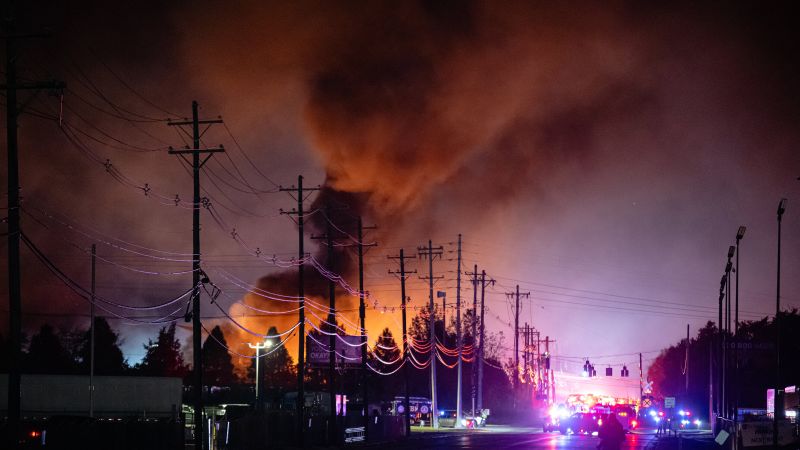
NTSB Investigates Engine Failure on UPS Jet That Crashed During Takeoff
NTSB probes why a UPS jet lost – The National Transportation Safety Board (NTSB) initiated a two-day inquiry on Tuesday to uncover the causes behind a UPS McDonnell Douglas MD-11F jet’s engine detachment and subsequent crash that occurred last year from Louisville, Kentucky. The investigation focuses on the incident involving UPS flight 2976, a cargo plane en route to Hawaii, which plummeted shortly after liftoff, leaving a trail of destruction across the runway. The event resulted in 15 fatalities, including three crew members and one individual who later succumbed to injuries 51 days post-crash, with 23 people on the ground sustaining wounds.
Investigation into Safety Protocols and Structural Failures
As the NTSB delves into the matter, the agency emphasized the gravity of its recommendations. “We issue safety recommendations … they are to be taken seriously,” stated Jennifer Homendy, the NTSB chairwoman, during the hearing. She underscored that these measures are thorough, comprehensive, and designed to prevent further tragedies. “If they’re not implemented … we will be here again,” she added, reflecting on the ongoing need for vigilance in aviation safety.
“This accident, just like others, undoubtedly caused invisible injuries that aren’t reflected in the numbers we provide,” Homendy said. “Psychological and emotional trauma from being physically injured, witnessing an accident, or losing a loved one can have a profound impact on lives and livelihoods.”
The crash took place on November 4, when the MD-11F jet, which had been in service for 34 years, suffered an engine failure moments after departing Louisville Muhammad Ali International Airport. The plane, equipped with three engines—two mounted on the wings and one positioned on the tail—was meant to carry cargo across the Pacific. However, its journey was cut short when the left engine detached, sending flames and a dark plume of smoke across the tarmac before the aircraft crashed into a nearby warehouse and storage facility.
FAA Approval and Aircraft Replacement
Just days prior to the hearing, the Federal Aviation Administration (FAA) had cleared the same aircraft model to resume operations, raising questions about the timeline of safety assessments. The NTSB’s inquiry comes as the agency investigates whether the crash was linked to flaws in the MD-11F’s design or maintenance practices. Key witnesses, including UPS representatives, FAA officials, Boeing engineers, and members of the pilot’s union, are expected to testify, shedding light on the incident’s root causes.
According to NTSB documents, the flight was initially scheduled to use a different aircraft. During a routine pre-flight inspection, a fuel leak was identified on the original plane and reported to maintenance. However, due to the anomaly, the crew was assigned a replacement MD-11F. The NTSB’s preliminary findings indicate that structural fittings securing the left engine to the wing fractured, leading to its detachment. The board demonstrated an animation of the engine-to-wing connection, highlighting how fatigue and stress accumulation compromised the integrity of the fittings.
Timeline of Grounding and Industry Impact
Following the crash, UPS immediately grounded its MD-11 fleet, a decision that was echoed by the FAA three days later, which halted all MD-11 operations in the United States until inspections were completed. At the time of the incident, these aircraft constituted about 9% of UPS’s total fleet. FedEx and Western Global Airlines also operated the same model, underscoring the widespread use of the MD-11F in cargo transportation.
Boeing, the manufacturer that assumed responsibility for the MD-11 after acquiring McDonnell Douglas, had provided maintenance and repair guidelines to ensure operational safety. The FAA’s recent approval of Boeing’s return-to-service protocol was based on a comprehensive review of the aircraft’s systems. “After extensive analysis, the FAA confirmed Boeing’s protocol for safely reintroducing MD-11s into service,” the agency noted in a statement to CNN.
Despite the FAA’s clearance, UPS has announced its intention to retire the MD-11F planes permanently. This decision follows the crash and reflects the company’s commitment to enhancing safety measures. Meanwhile, FedEx has already resumed some flights with aircraft that underwent repairs and inspections. The contrast between the two carriers’ approaches highlights the varying levels of risk tolerance within the aviation industry.
Details from Cockpit Recorders and Maintenance Records
As the hearings progress, investigators aim to reveal the full sequence of events leading to the crash. This includes a detailed examination of the aircraft’s maintenance history, particularly the overhaul work completed in San Antonio, Texas, over six weeks in September and October. The plane returned to service less than a month before the accident, raising concerns about whether these maintenance steps were sufficient to address potential vulnerabilities.
The cockpit voice recorder and flight data recorder will provide critical insights into the pilots’ actions and responses during the flight. These devices will capture communications between the crew and air traffic control, as well as data on the plane’s performance and any anomalies detected during the takeoff phase. The NTSB’s findings may also lead to broader recommendations for the aviation sector, focusing on fleet safety protocols and the reporting of mechanical issues.
The hearing’s 10-hour duration allows for a thorough exploration of the incident’s technical and procedural aspects. Topics under scrutiny include how anomalies are communicated within the maintenance system, the effectiveness of FAA oversight, and Boeing’s role in ensuring the aircraft’s structural integrity. The board’s animation of the engine failure, combined with footage from airport security cameras, will serve as visual evidence to support the narrative of the crash.
As the investigation unfolds, the NTSB seeks to determine whether the crash was a one-off occurrence or part of a larger pattern affecting the MD-11F model. This inquiry is not only about understanding the specific incident but also about identifying systemic issues that could impact other flights. The psychological toll on victims’ families, as highlighted by Homendy, remains a central concern, emphasizing the human cost of aviation accidents beyond the immediate physical damage.
With the hearings underway, the aviation community awaits the final conclusions. The NTSB’s work could lead to updated safety standards or revised maintenance practices, ensuring that such tragedies are minimized in the future. For now, the focus remains on the 34-year-old jet’s design and the critical moments that led to its catastrophic failure on the day of the crash.
