
Pentagon watchdog evaluating US operations involving strikes on alleged drug boats
Pentagon Watchdog Evaluating US Southern Command’s Drug Boat Strikes
Investigation into Caribbean and Pacific Operations
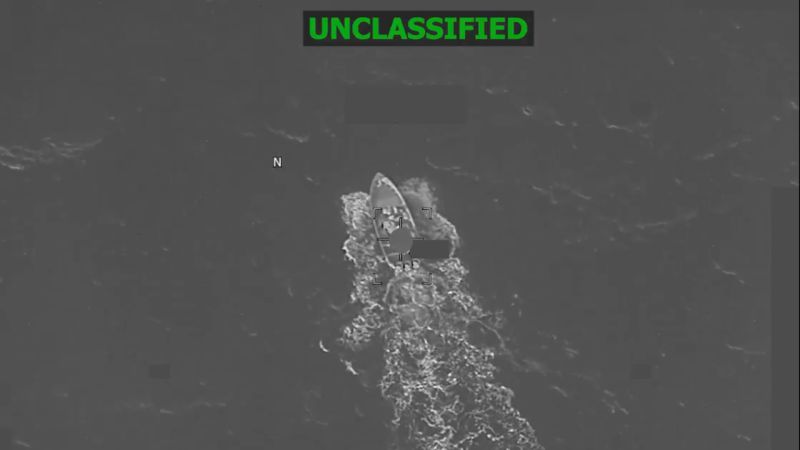
Pentagon watchdog evaluating US operations involving – The Pentagon’s internal oversight body has initiated a review of military operations conducted by the US Southern Command, focusing on strikes against vessels suspected of drug trafficking in the Caribbean Sea and Pacific Ocean. This probe follows increasing concerns about the legality of these actions, which have targeted nearly 60 boats and resulted in over 190 fatalities since their inception in the fall of 2025. Legal experts, congressional members, and even some Pentagon lawyers have scrutinized the missions, questioning whether the command adhered to established targeting protocols.
Inspector General’s Independent Review
A letter dated May 11 from the Pentagon’s inspector general’s office revealed that the evaluation aims to assess whether Southern Command followed approved procedures during its operations. The office emphasized its commitment to transparency, stating the review was “self-initiated” as part of its ongoing analysis of military activities. A spokesperson confirmed to CNN that the scope includes “the joint process for targeted vessels in the U.S. Southern Command area of responsibility as part of Operation Southern Spear.” This campaign, named by the Pentagon, targets drug trafficking networks in the region.
“The scope of the evaluation includes the joint process for targeted vessels in the U.S. Southern Command area of responsibility as part of Operation Southern Spear,” said the Pentagon’s inspector general’s office spokesperson.
Legal Justification and Political Context
The Trump administration has defended the strikes by asserting that the US is engaged in an armed conflict against drug cartels, classifying those killed as enemy combatants. This rationale was formalized in a classified Justice Department legal opinion released in October 2025, which argued that the president has the authority to deploy lethal force against a wide range of cartel members due to their perceived imminent threat to Americans. However, military officials have expressed doubts about the validity of these arguments, raising questions about the operational legality of the campaign.
Internal Tensions and Strategic Shifts
Adm. Alvin Holsey, who previously oversaw Southern Command, clashed with Defense Secretary Pete Hegseth over the pace and effectiveness of the drug boat strikes. This disagreement occurred weeks before Holsey announced his retirement, which marked the end of his first year in the role. Hegseth criticized Holsey for not moving swiftly enough to combat drug traffickers in the Caribbean and for withholding key operational data. Two sources familiar with the situation told CNN that the secretary was frustrated by the lack of information and the perceived hesitancy in targeting efforts.
Capitol Hill Concerns and Public Debate
The scrutiny of these operations intensified on Capitol Hill after reports surfaced that the military had executed a follow-up strike on survivors of an alleged drug boat. Lawmakers raised alarms about the incident, with some Democrats suggesting it could qualify as a “war crime.” The controversy highlights the growing debate over the use of military force in maritime operations and the legal boundaries of such actions.
“The strike could constitute a ‘war crime,'” said one Democratic congressman, expressing concern over the military’s continued targeting of survivors.
Recent Activity and Operational Adjustments
Although the frequency of known strikes has decreased in recent months, the campaign remains active. This shift coincided with the US military’s capture of former Venezuelan President Nicolas Maduro, who was implicated in drug trafficking networks. Despite this development, the strikes have persisted, with the most recent operation on May 8 resulting in the deaths of two individuals, according to Southern Command. The reduction in strikes has sparked speculation about the strategic rationale behind the campaign’s adjustments, though officials have not provided detailed explanations.
Broader Implications for US Military Operations
The evaluation by the Pentagon’s inspector general carries significant implications for the legality of maritime strikes. It underscores the need for clarity on how the military defines an “armed conflict” and whether the use of lethal force against non-state actors meets the criteria for justifiable engagement. Legal scholars have pointed out that the lack of formal declaration of war complicates the justification for these actions, as they fall under the broader umbrella of counterdrug operations.
Public and Political Reactions
Public opinion has remained divided, with some supporting the military’s efforts to disrupt drug trafficking and others criticizing the lack of due process. The strikes have also drawn attention from human rights organizations, which have questioned the impact on civilian populations and the long-term consequences of labeling cartel members as combatants. Meanwhile, the Trump administration continues to emphasize its approach as a necessary measure to combat the opioid crisis and reduce drug-related violence in the Americas.
Future of the Investigation
As the evaluation progresses, the inspector general’s office has indicated that it will examine not only the targeting methods but also the overall coordination of the Southern Spear campaign. The findings could influence future military strategies in the region and set a precedent for how such operations are justified under international law. CNN has reached out to both the Pentagon and Southern Command for additional details, aiming to clarify the extent of the investigation and its potential outcomes.
Historical Context and Strategic Objectives
Operation Southern Spear began in September 2025 as part of a broader effort to combat drug trafficking routes from South America to the US. The initiative has been framed as a strategic response to the growing flow of narcotics through the Caribbean, with the military citing a reduction in drug-related deaths as a key objective. However, critics argue that the lack of clear definitions for “enemy combatants” and the absence of formal declarations have left the operations open to interpretation, raising concerns about accountability and oversight.
With the inspector general’s review ongoing, the Pentagon faces pressure to reconcile its military actions with legal standards. The results of this investigation could reshape the narrative around Southern Command’s role in counterdrug operations and determine whether the campaign’s methods align with international norms. As the strikes continue, the debate over their legality is expected to persist, with implications for both domestic policy and foreign relations in the region.
