
Trump’s doctor recommends he lose weight and exercise more but says he is in ‘excellent health’
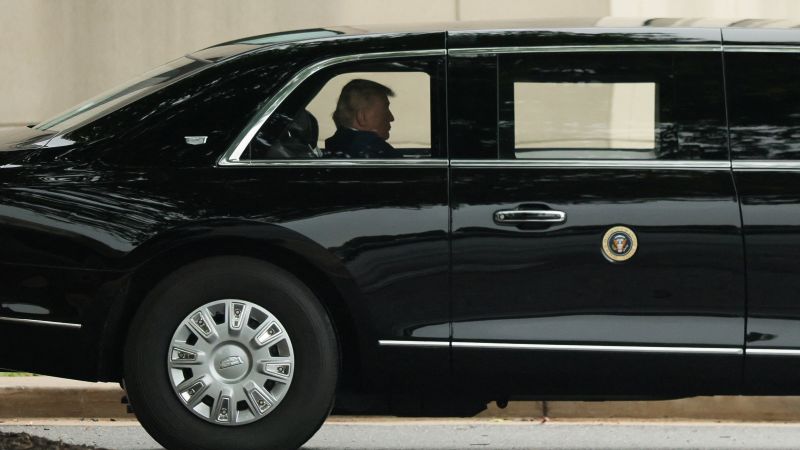
Trump’s Doctor Recommends Weight Loss and Exercise
Trump s doctor recommends he lose – President Donald Trump’s personal physician, Dr. Sean Barbabella, has advised him to lose weight and exercise more, even as the doctor affirmed his overall health. The latest medical report, released Friday, emphasized that Trump remains in “excellent health” while outlining specific lifestyle recommendations to further enhance his physical condition. Though the memo highlighted Trump’s strong cardiac and neurological function, the advice to lose weight and increase activity underscores ongoing concerns about his health habits. The findings were shared by White House officials, who stated that the report confirms Trump is fully capable of performing all presidential duties.
Health Recommendations and Medical Context
Barbabella’s memo included a preventive counseling session focused on dietary changes, low-dose aspirin use, and regular exercise. The document noted that Trump’s weight has risen to 238 pounds, up from 224 pounds in April, raising questions about his fitness. Despite this, the doctor described his health as “excellent,” citing normal results in key areas. The report also mentioned slight lower leg swelling, which improved compared to the previous year, but this condition has drawn attention from critics and media alike.
The recommendations come as part of routine evaluations, with Trump’s May physical examination revealing no major issues. However, the doctor’s note about weight gain and the need for more exercise has sparked debate about the balance between Trump’s current health status and potential risks. The White House has consistently defended his condition, emphasizing that his medical team believes he is fit for leadership. This stance has been reinforced by the recent conclusion that his cardiovascular system shows signs of being more efficient than his age would suggest.
Cardiac and Cognitive Assessments
One of the most notable findings was the doctor’s assessment of Trump’s heart health. An enhanced electrocardiogram (ECG) analysis estimated his “cardiac age” to be around 14 years younger than his actual age. This suggests his heart is functioning better than expected, even as he gains weight. However, the memo also noted that Trump’s mental acuity remained intact, as evidenced by a perfect score on the Montreal Cognitive Assessment. This test, which evaluates memory and problem-solving abilities, is often used to screen for early cognitive decline.
Barbabella’s report also addressed Trump’s use of aspirin, stating that the doctor recommended a standard preventive dose. Yet Trump himself has claimed he takes a higher dose of 325 milligrams, a practice he described as beneficial for thinning his blood. This discrepancy has led to discussions about the potential risks of higher aspirin intake, such as increased bleeding, and whether the dosage aligns with his doctor’s advice. The memo, however, did not specify the exact regimen, leaving room for interpretation.
Public Health Scrutiny and Medical Trends
The latest findings have intensified public debate about Trump’s health, with his visible leg swelling and frequent bruising becoming focal points. White House officials have attributed these symptoms to chronic venous insufficiency and the physical demands of his job, respectively. While the doctor recommended compression socks to manage the swelling, Trump reportedly found them uncomfortable, a detail that has been widely shared in recent coverage. This discomfort highlights the challenge of balancing medical advice with personal preferences.
Trump’s medical history shows a pattern of regular check-ups, with his visit to Walter Reed National Military Medical Center marking the third such evaluation this year. Critics argue that these frequent assessments may be necessary due to his age and the scrutiny he faces. However, the White House has pointed out that Trump’s most recent dental examination was conducted in Florida, raising questions about the redundancy of certain procedures. The doctor’s memo, though, reinforces the view that his health remains strong despite the recommendations for lifestyle changes.
