
Ex-FBI agents launch support group for employees struggling to adjust under Kash Patel’s leadership
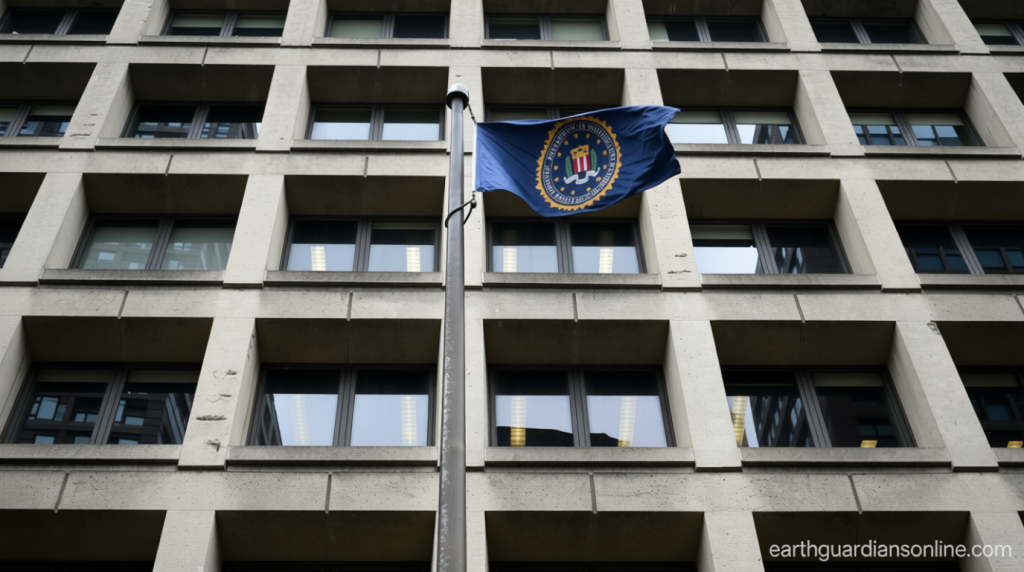
Ex-FBI Agents Establish Support Network Amid Leadership Shift
Ex FBI agents launch support group – In the aftermath of FBI Director Kash Patel’s aggressive campaign to eliminate perceived bias within the agency, a coalition of former agents has created a new support initiative to aid current staff grappling with the challenges of his leadership. This effort, known as the FBI Support Network, aims to provide resources and advocacy for employees who feel caught in a political tide under Patel’s tenure. The group’s formation follows a series of high-profile dismissals, with dozens of personnel terminated for their alignment with certain viewpoints or for actions deemed politically motivated.
Offering Practical Assistance to Struggling Staff
The FBI Support Network, according to its founding statement, is designed to deliver “tangible aid” to agents facing uncertainty. This includes access to legal counsel, mental health professionals, and job placement services for those seeking new opportunities. The initiative also highlights the involvement of “a growing cadre of former FBI officials,” who have pledged to act as allies for current employees. These individuals, once entrusted with national security, now aim to shield their colleagues from the consequences of decisions they believe to be unjust.
Participants in the network have emphasized the need for a structured response to the internal pressures created by Patel’s leadership. “The goal is to ensure agents are not left to navigate these challenges alone,” said one of the group’s founders, who requested anonymity. The support group operates under the umbrella of Justice Connection, an organization previously established to assist Justice Department employees dealing with similar issues. This collaboration underscores a broader trend of former officials uniting to address systemic concerns within federal agencies.
Legal Battles Over Political Firings
The support network has emerged as a direct response to ongoing lawsuits against Patel and the Justice Department. Former agents argue that the firings were not based on objective criteria but were instead driven by partisan motivations. They claim the dismissals violated established FBI protocols and, in some cases, constitutional rights. The legal challenges highlight a growing tension between operational integrity and political influence within the agency.
One of the central allegations is that the agency’s leadership used the term “weaponization” to justify the removal of staff who were seen as obstacles to their agenda. This has included agents involved in investigations into former President Donald Trump, as well as those who participated in protests following the death of George Floyd. Brian Driscoll, a former FBI Deputy Director, is among those affected. He was terminated in August after advocating for a more measured approach to layoffs, a move he believes was orchestrated by Patel’s administration.
Driscoll, now a member of the support group, has shared his concerns with CNN. In a recent video, he stated, “Agents facing these unprecedented times are not alone,” while calling for solidarity among those targeted by the leadership. His remarks reflect a broader sentiment that the agency’s current direction has placed many employees in a difficult position. “It’s time for those of us who also once carried credentials, badges, and sidearms alongside our FBI colleagues to offer tangible assistance when they are faced with the choice between an order and what they know is just,” he added, echoing the sentiments of the group’s founders.
Internal Conflicts and Career Impacts
The lawsuits filed by former agents not only challenge the legality of their dismissals but also spotlight the personal toll of the political climate. Many claim their careers were upended by decisions made without due process. One plaintiff described the experience as “a sudden shift from loyalty to suspicion,” noting how the accusations of bias disrupted their professional trajectories. The group’s representatives argue that the firings have created a culture of fear, where employees are hesitant to speak out for fear of retaliation.
Driscoll’s case is particularly illustrative. During his interview with CNN, he detailed the scrutiny he faced during his vetting for the top FBI role. Incoming Trump officials reportedly asked him about his personal political leanings, including whom he had voted for in recent elections and when he began supporting the president. “The questions were designed to test my allegiance,” Driscoll said, describing the process as “a prelude to the purge.” His termination, which occurred just months after he was appointed, has fueled accusations that Patel’s leadership is politically driven.
Mike Feinberg, a former Assistant Special Agent in Charge, has been vocal about the need for this support system. In a statement, he underscored the importance of the network, stating, “Our former colleagues are stepping up to ensure that those who still serve are given the tools to resist unjust actions.” Feinberg’s comments align with the group’s mission to provide both immediate aid and long-term advocacy for employees caught in the crosshairs of political decisions. The group’s release highlights how it seeks to bridge the gap between past and present, offering guidance to those who may feel out of step with the agency’s current direction.
Broader Implications for the FBI’s Integrity
While the FBI Support Network is framed as a positive development, critics argue it could exacerbate divisions within the agency. Some view the group as a necessary counterbalance to leadership that prioritizes political loyalty over professional judgment. Others, however, believe it reflects a broader erosion of trust and a shift toward internal conflict.
CNN attempted to secure a statement from the FBI regarding the new support group. The agency has not yet issued a formal response, leaving the situation open to interpretation. The lack of immediate acknowledgment from Patel’s administration has only intensified scrutiny of the leadership’s actions. As the lawsuits continue and the support group gains momentum, the debate over the FBI’s role in national security versus its internal governance will likely intensify. For now, the network stands as a symbol of resilience, offering a lifeline to those who have been cast aside by the very institution they once served.
Feinberg’s statement further emphasizes the stakes involved, stating, “The agents who remain are doing their duty, but they need a fighting chance to prove their commitment.” With the group’s efforts underway, the next phase will be determining whether these initiatives can mitigate the damage caused by Patel’s leadership or if they will become another front in the ongoing struggle for agency control. As the FBI navigates this period of transformation, the support network’s impact will depend on how effectively it can unite past and present employees in the pursuit of fairness and justice.
