
Scott Pelley erupts at CBS leaders over ‘60 Minutes’ overhaul
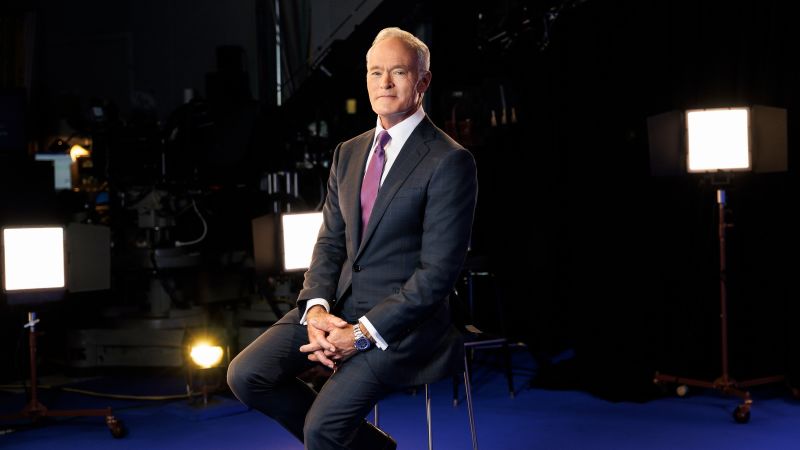
Scott Pelley Confronts CBS Leadership Over ’60 Minutes’ Restructuring
Scott Pelley erupts at CBS leaders – CBS News found itself in a heated dispute last week as veteran “60 Minutes” correspondent Scott Pelley publicly criticized the network’s leadership for overhauling the iconic program. The confrontation, which took place during a staff meeting, revealed deepening tensions within the team as Pelley accused Bari Weiss, CBS News’ editor in chief, of steering the show toward a radical transformation that could undermine its legacy. His remarks, delivered with palpable frustration, highlighted a growing rift between long-time contributors and the new direction being pushed by Weiss and her newly appointed executive producer, Nick Bilton.
Unease Over a Major Shift
During the meeting, Pelley delivered a sharp critique of Weiss’s leadership, claiming she was “murdering” “60 Minutes.” This accusation came as the network’s top brass sought to implement sweeping changes, including the replacement of longtime executive producer Tanya Simon with Bilton, a tech journalist known for his fresh perspective on digital media. Simon’s dismissal, along with several other seasoned producers and correspondents like Sharyn Alfonsi and Cecilia Vega, had already sparked controversy among the show’s loyal team. Now, Pelley’s outburst added to the mounting pressure.
“She is murdering ’60 Minutes.’ She does not love this place. She was brought in to kill it, and she’s been doing exactly that.”
Despite the tension, Bilton maintained composure during the meeting, emphasizing his commitment to the program. He stated that Weiss “loved CBS News and ’60 Minutes’” and expressed optimism about future collaborations. However, Pelley’s sharp response suggested a lack of confidence in the new leadership, with the correspondent vowing that Bilton would “never be welcome here.”
The Outsider’s Vision
As the head of CBS News, Weiss has long advocated for modernizing the network’s content strategy. Her decision to appoint Bilton as the new executive producer was seen as a bold move, aiming to inject innovation into a show that has dominated television news for decades. Bilton, whose first official day with the team was Monday, has previously reported on tech trends and digital culture, positioning him as a potential catalyst for change. Yet, this shift has raised eyebrows among veteran staff who argue that the program’s traditional storytelling style is its greatest strength.
One insider who described the meeting to CNN noted that Pelley’s criticism resonated with many staff members, who applauded his remarks. However, not everyone shared his perspective. A source close to Weiss suggested that Pelley’s tone was overly harsh, while her deputy, Charles Forelle, echoed this sentiment during the session. The debate over leadership style has become a focal point of the internal conflict, with some staff members aligning with Weiss’s vision and others defending the show’s established identity.
The Broader Corporate Context
The turmoil at “60 Minutes” is not isolated; it reflects broader corporate dynamics at CBS parent company Paramount. The network’s ongoing efforts to acquire CNN and Warner Bros. Discovery have positioned it as a key player in the media landscape, a strategy that has drawn the attention of the Trump administration. Trump, a frequent viewer of the show, has historically criticized its investigative reporting, particularly its coverage of his policies and personal conduct. This context has fueled speculation that Weiss’s reforms are partly motivated by a desire to align the network with Trump’s political preferences.
In 2024, Trump filed a lawsuit against CBS over a “60 Minutes” segment, prompting Paramount to settle rather than face legal challenges. The settlement has been interpreted by some as a concession to Trump’s influence, raising questions about whether the network is prioritizing political favor over journalistic integrity. Pelley’s comments, coming at a time when the show is under pressure to adapt, have been seen by critics as a sign that the program’s core values are at risk.
Contrasting Perspectives
Rome Hartman, a 25-year veteran of “60 Minutes” who retired last year, voiced his concerns during the meeting. He described the recent firings as an act of “arrogance, disrespect, and cruelty,” arguing that the show’s success is due to its team’s creativity and expertise. Hartman stressed that the “60 Minutes” staff are not outdated relics but “seasoned professionals” who bring innovation to their work. This view contrasts with Weiss’s assertion that the program needs to evolve to remain relevant in a rapidly changing media environment.
Meanwhile, Weiss’s allies maintain that the overhaul is necessary to keep the show competitive. They highlight the network’s desire to modernize its approach, blending traditional investigative reporting with new digital strategies. Bilton, in a recent memo, defended the changes, stating that the team is “absolutely not” avoiding aggressive coverage of the Trump administration. He pointed to the show’s past success in scrutinizing political figures, including Trump, and expressed confidence that the same rigor would continue under his leadership.
The Weight of Change
The debate over “60 Minutes’” future has intensified in recent weeks, with the show’s staff split between supporters of the new direction and defenders of its established format. Pelley’s public confrontation has amplified these divisions, signaling a deeper uncertainty about the program’s path. Management sources have previously stated their intent to retain Pelley, but Monday’s meeting left some questioning whether this commitment would hold. The fallout from his remarks has already led to an audio recording of the meeting leaking to outlets like The New York Times, ensuring the controversy spreads beyond CBS’s walls.
As the discussion continues, the question remains: is this a necessary evolution or a dangerous departure from the show’s storied past? The answer may depend on how effectively the new leadership can balance innovation with the program’s enduring reputation. For now, the tension between tradition and transformation defines the current state of “60 Minutes,” with the network’s fate hanging in the balance.
A New Chapter for “60 Minutes”
Bilton, despite the backlash, remains optimistic about his role in reshaping the show. He has already outlined plans to streamline operations and explore new formats, aiming to attract younger audiences and adapt to streaming platforms. These moves have been met with mixed reactions, with some staff members embracing the potential for growth while others fear the loss of the show’s signature style. The key to success, as Bilton acknowledges, will be maintaining the program’s credibility while embracing change.
Meanwhile, the debate over Weiss’s leadership has taken on added significance. Her decision to overhaul “60 Minutes” has been framed as both a bold strategic move and a symbolic shift in the network’s identity. While some see this as a necessary step to stay relevant, others argue that the show’s unique blend of storytelling and investigative depth is its greatest asset. As the new executive producer works to implement his vision, the staff’s divided opinions will likely shape the program’s trajectory in the months ahead.
The meeting’s aftermath has left the CBS News team in a state of flux, with the network’s reputation as a premier news source now under scrutiny. Whether the changes will strengthen or weaken “60 Minutes” remains to be seen, but one thing is certain: the program is at a crossroads, and the voices of its long-time contributors are no longer silent.
