
Scott Pelley fired by CBS after ‘60 Minutes’ clash with management
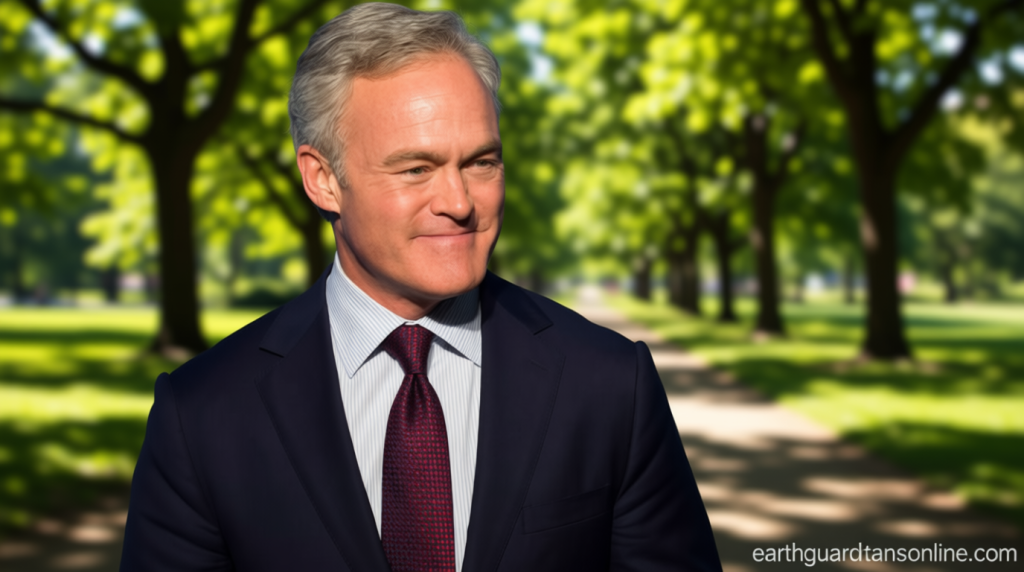
Scott Pelley Fired by CBS After ’60 Minutes’ Clash with Management
Scott Pelley fired by CBS after 60 – CBS News has parted ways with veteran “60 Minutes” correspondent Scott Pelley, effective immediately, following a tense confrontation during a recent staff meeting. The decision comes amid growing tensions between Pelley and the new leadership of the network, led by editor in chief Bari Weiss. According to a statement released by CBS, Pelley was terminated for cause, a move that has sparked immediate speculation about potential legal action from the former correspondent.
A Staff Meeting That Sparked Controversy
On Monday morning, Pelley addressed his colleagues in a pivotal staff meeting, where he openly challenged the direction of “60 Minutes” under its new executive producer, Nick Bilton. His sharp critique of Bilton’s leadership and the broader changes at CBS News left the room in bewilderment. In a letter shared with the public, Bilton outlined the reasons for Pelley’s dismissal, stating that the correspondent’s “antipathy to the future of the show has come through loud and clear. And I have heard you.” This direct accusation led to Pelley’s immediate termination, marking a dramatic shift in the network’s internal dynamics.
“Your employment with CBS is terminated for cause effective immediately,” Bilton wrote in the letter.
The staff meeting became a flashpoint for debate, with Pelley’s remarks quickly leaking to external media. Critics argued that his criticism was warranted, while defenders accused him of being overly aggressive. The situation has intensified scrutiny on Bari Weiss, whose leadership has been a subject of controversy since she took charge of CBS News. Analysts now speculate that her decisions to restructure the network could face further backlash, especially after Pelley’s public dissent.
The Overhaul of “60 Minutes”: A Tale of Two Perspectives
During the meeting, Pelley pressed Bilton to explain the recent firings of top producers and two correspondents, including the rationale behind the changes. Bilton, who was appointed on the same day as Weiss, attempted to reassure the team that the network’s legacy was not being abandoned. “I respect the program’s history,” he said, “but the show needs to evolve to reach new audiences in the digital age.” Pelley, however, took a more confrontational stance, accusing Weiss of “murdering” the long-standing newsmagazine. “She does not love this place. She was brought in to kill it, and she’s been doing exactly that,” he declared.
“She does not love this place. She was brought in to kill it, and she’s been doing exactly that,” Pelley said.
Pelley’s criticism carries political weight, as it aligns with broader tensions within CBS News. The network’s recent overhaul has been linked to its new ownership, which has sought closer ties with the Trump administration. This connection became evident after President Donald Trump sued CBS in 2024 over a “60 Minutes” interview with Kamala Harris. Although legal experts deemed the lawsuit frivolous, the previous ownership team opted to settle the case in July 2025 rather than defend it in court. The new owners’ alignment with Trump has fueled speculation that the restructuring of “60 Minutes” is partly a strategic move to appease the former president.
Internal Divisions and the Aftermath
Inside CBS, opinions about Pelley’s firing are sharply divided. Some insiders believe the termination was a calculated effort to send a message to Weiss, encouraging her to take decisive action. Others, however, argue that Pelley’s strong stance was a natural response to the changes being implemented. “He was daring Weiss to fire him,” one source claimed, while another noted that Pelley’s detractors viewed his behavior as bullying. Supporters of the correspondent, meanwhile, framed his actions as a defense of his colleagues and the integrity of the “60 Minutes” brand.
Later Tuesday evening, Bilton issued a statement to “60 Minutes” staff, reiterating the reasons for Pelley’s termination. “You hijacked my first meeting with staff to disparage me, my qualifications, and my intentions with remarkable incivility and contempt,” he wrote. “This performative display of hostility enacted in front of the staff demonstrated that you have no interest in contributing to the future success of the show, or approaching my new tenure with a mind open to collaboration and progress.” The letter also referenced a late afternoon meeting between Pelley and senior leadership, where the issue was discussed but no resolution was reached.
“Despite yesterday’s misconduct,” Bilton continued, “I had hoped that in sitting down with you today we could find a path forward together. You made clear that you are not interested in such a path.”
CBS leaders have framed the situation as a necessary step to revitalize the network. “Weiss and her deputies are trying to revive a struggling TV news division and reorient its programs to appeal to digital audiences,” CBS News president Tom Cibrowski said. The decision to hire Bilton, a filmmaker and former tech reporter with limited TV news experience, has been one of several contentious moves under Weiss’s leadership. Critics argue that such appointments signal a departure from traditional journalistic values, while others see it as a bold attempt to modernize the brand.
Legacy and Future Uncertainty
Pelley’s dismissal has raised questions about the future of “60 Minutes.” The show, known for its investigative reporting and high production standards, has faced challenges in adapting to the digital era. Pelley’s statement referenced these concerns, stating, “the new owner of our network is casting the legacy of ’60 Minutes’ aside, apparently to curry a moment of favor with the Trump administration.” This line highlights the perceived political influence on the network’s editorial direction.
As the fallout continues, CBS News remains at a crossroads. The firing of Pelley, a respected figure within the network, has underscored the high stakes of the ongoing leadership changes. While some view this as a necessary sacrifice to secure the network’s future, others fear it could erode the trust and credibility that “60 Minutes” has built over decades. The situation now hinges on whether the network can balance innovation with the preservation of its storied legacy.
With Paramount seeking Trump administration approval to acquire Warner Bros. Discovery, including CNN, the political alignment of the network’s leadership has become more pronounced. This acquisition, if finalized, could further cement CBS’s ties to Trump’s vision for media, potentially influencing the programming and direction of “60 Minutes” in the years ahead. As the network navigates this turbulent period, the fate of its iconic show—and the individuals who have dedicated their careers to it—remains uncertain.
