
How China’s World Cup dream unraveled – and how it’s slowly growing again
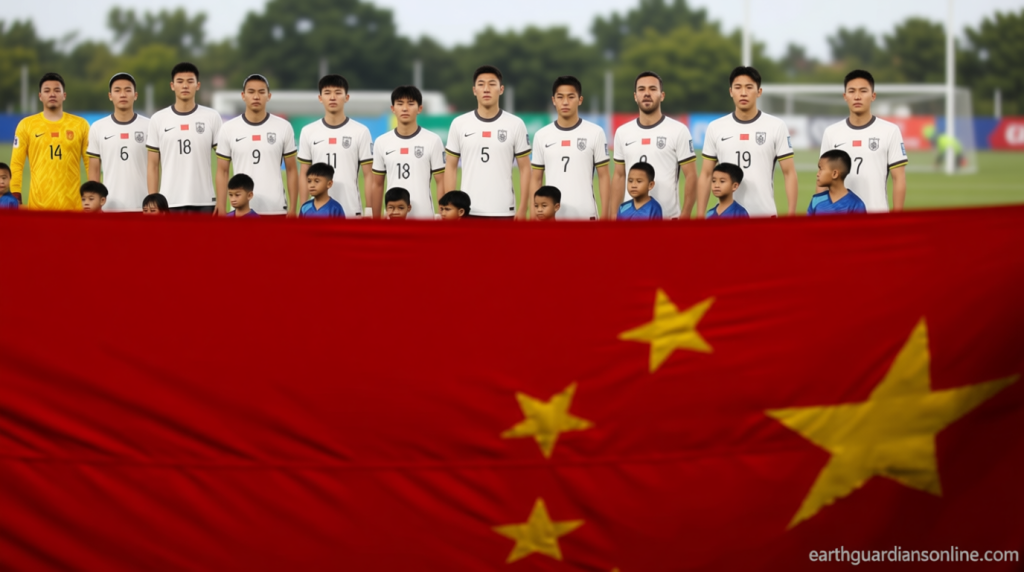
How China’s World Cup Dream Fractured – And How It’s Slowly Rebuilding
How China s World Cup dream – This summer, the World Cup is taking center stage in North America, leaving China once again to watch from the sidelines. Yet, amid the nation’s fading ambitions for global soccer glory, a quiet revolution is unfolding. Packed stadiums now showcase amateur athletes from unexpected backgrounds—delivery drivers, village residents, and grassroots enthusiasts—drawing cheers from fans who see a glimmer of hope that the Beautiful Game might finally take hold in China. While the country’s national team has yet to secure a berth in the tournament, the emergence of these grassroots stars hints at a deeper cultural shift.
The Struggle for Soccer Supremacy
For years, qualifying for the World Cup has been a top priority for China, a nation with ambitions that extend far beyond sports. The country’s second-largest economy has long sought to project global influence, and soccer has been a key part of that strategy. President Xi Jinping once articulated three major goals for the sport: hosting the tournament, winning it, and making it a cornerstone of national pride. These aspirations culminated in a bold 2016 plan by the Chinese Football Association, which outlined a vision of global dominance by mid-century.
The blueprint included ambitious targets such as 70,000 pitches across the nation and 30 million schoolchildren participating in the game by 2020. These figures symbolized a desire to cultivate soccer at every level of society, from elite competitions to local communities. However, the gap between ambition and reality has grown wider. The men’s team, once ranked 82nd globally in 2016, now languishes at 94th out of 211 teams. Even with the World Cup expanding to 48 teams, China’s hopes were dashed in June 2022 when a 1-0 loss to Indonesia ended its quest for a second appearance.
The Emergence of the “Chinese Dream”
China’s soccer strategy became intertwined with its broader national vision. In November 2012, shortly after Xi assumed leadership of the Communist Party, he introduced the concept of the “Chinese dream,” a rallying cry for national rejuvenation. This idea quickly became a central theme in official discourse, and soccer was no exception. The 2016 blueprint was not just about sports; it was framed as a tool to “rejuvenate the nation,” blending athletic progress with political ideology.
To realize this vision, China’s top-tier clubs embarked on an aggressive spending spree. Between 2015 and 2017, the Chinese Super League (CSL) clubs funneled over $1.12 billion into the transfer market, according to Transfermarkt data. This influx of foreign talent—names like Oscar, Paulinho, Carlos Tévez, and Hulk—was a dramatic shift from the previous era of domestic stars. The financial backing came primarily from real-estate developers, who had stakes in the property market and used their resources to bolster soccer ambitions.
The Guanxi Economy of Soccer
The success of this model hinged on a complex web of relationships. As Dr. Tobias Ross, author of *Football, Business and State Power in Contemporary China*, explains, the funding was not driven by passion for the sport but by strategic alliances with local officials. “It was never about football. It was always about establishing a closer relationship with the local government,” Ross notes. These connections, known as *guanxi* and *renqing*—informal networks built on favors and obligations—were crucial for securing land and bank loans, which kept the clubs afloat.
“It was basically a loss-making business,” Ross adds, highlighting how the focus on short-term prestige overshadowed long-term sustainability. Clubs would often prioritize flashy stadium projects and high-profile signings over prudent financial management, creating a system that looked impressive on paper but lacked real economic sense.
Guangzhou Evergrande, a two-time Asian champion and eight-time CSL titleholder, exemplifies this trend. Bloomberg reported in 2021 that the club lost between $155 million and $310 million annually, despite its dominance on the pitch. Investors, eager to maintain their ties with officials, followed a pattern of moving clubs to new cities whenever political leaders changed positions. This constant repositioning ensured that the financial interests of both the clubs and the government remained aligned, even as the sport’s fundamentals faltered.
The Pandemic and the Collapse
The financial strain on China’s soccer ecosystem reached a breaking point during the pandemic. With international matches suspended and domestic revenues dwindling, clubs that had relied on government-backed funding found themselves in crisis. The collapse of the real-estate market further exacerbated the situation, as property developers—once the primary investors—lost their financial appetite. By 2021, more than 40 teams had folded, leaving the league in disarray.
At the heart of this turmoil was the blurred line between politics and business. While the model had initially thrived on mutual benefits, it eventually crumbled under the weight of unsustainable debt and short-term gains. “Officials sought prestige during their limited tenures, often prioritizing immediate results over long-term growth,” Ross explains. This approach left clubs vulnerable to economic shocks, as they lacked diversified revenue streams or a grassroots foundation to support their ambitions.
A Slow Rebirth
Despite these setbacks, signs of renewal are emerging. The rise of amateur players in local stadiums suggests a grassroots movement gaining momentum. These athletes, often from working-class backgrounds, are not just filling seats—they are rekindling public interest in the game. While the national team’s performance remains lackluster, the cultural shift is undeniable. More fans are engaging with soccer, and young players are finding inspiration in stories of perseverance and passion.
For China, the path to soccer success has been a mix of grand ambitions and pragmatic compromises. The country’s attempt to manufacture a soccer culture through financial incentives and political alliances has yielded mixed results. Yet, as the pandemic’s impact fades and new strategies take shape, there is reason to believe the Beautiful Game is slowly taking root. Whether this revival can translate into World Cup qualification remains to be seen, but the journey has already reshaped how the sport is viewed in China. The dream may be fractured, but the foundation for a new era is beginning to form.
