
Why the count will go on in California
Why the Count Will Continue in California
Why the count will go – California’s election process often extends beyond Election Day, a trend that persists even in the 2026 race. With its extensive population and widespread use of mail-in voting, the state faces unique challenges in finalizing results. This year’s contest is no exception, as officials anticipate a prolonged tally due to the sheer volume of ballots being processed. The mechanics of this system, particularly the extended window for mail ballots, contribute to the delays, creating a complex landscape for determining outcomes.
The Role of Mail Ballots in Extending the Count
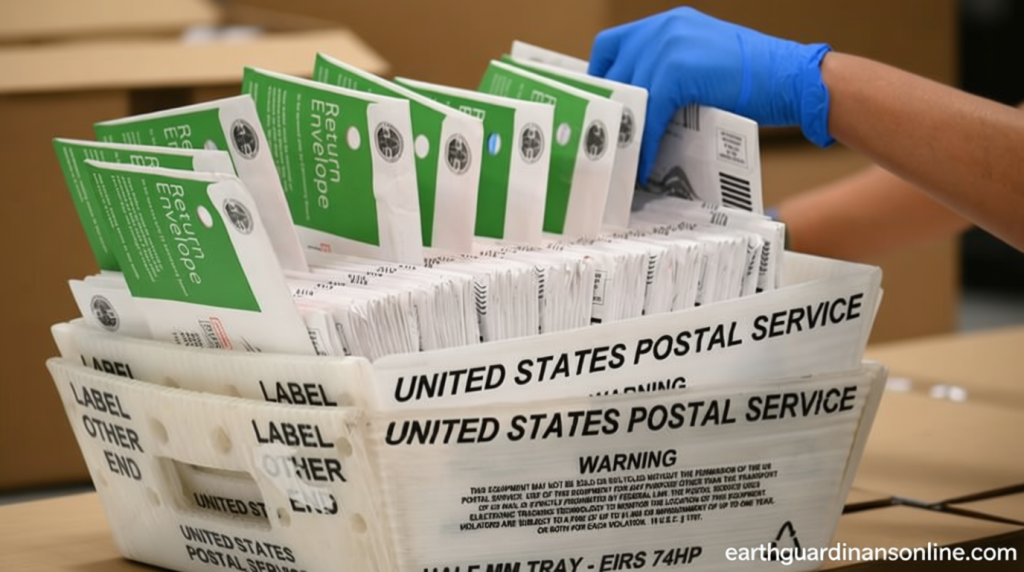
Mail ballots are a cornerstone of California’s voting infrastructure, but they also complicate the counting timeline. Unlike in-person voting, which is typically completed by early evening on Election Day, mail ballots arrive at county offices over the following weeks. This process is especially critical in a state where a significant portion of voters rely on this method. For example, in the 2024 general election, nearly 80% of the 16.1 million total votes cast were submitted via mail, highlighting the system’s reliance on this format.
State law allows mail ballots to be received up to seven days after the election, as long as they are postmarked by the deadline. This creates a staggered count, with results emerging gradually as ballots are processed. Officials often begin tallying votes received before the election, releasing preliminary data quickly. However, the full results depend on the late-arriving mail ballots, which are scrutinized and verified before being counted. This verification step, combined with the high volume of mail ballots, ensures that the final tally takes longer than in other states.
Democratic Skew in Late Ballots
Historically, mail ballots counted after Election Day tend to favor Democratic candidates. This pattern has been observed in past elections, where voters in urban areas and Democratic-leaning regions often return their ballots later. In the current race, data from Political Data, Inc.—a Democratic-aligned firm—suggests this trend may be even more pronounced. According to their analysis, Democratic voters are submitting ballots at a slower rate than usual, which could amplify the skew in the later stages of the count.
This dynamic has significant implications for the gubernatorial race. Democratic former US Health and Human Services Secretary Xavier Becerra is currently in a strong position to secure one of the two spots in the November general election. His campaign has emphasized the importance of mail ballots, which are expected to bolster his total. Meanwhile, the other slot is likely to be contested between Republican former Fox News host Steve Hilton and Democratic billionaire investor Tom Steyer. Both candidates are vying for a place in the November runoff, with the outcome still uncertain as the counting process unfolds.
Shifting Tides in the November Election
The recent primary results have already introduced a layer of complexity. Los Angeles Mayor Karen Bass advanced to the November election, but the race for the second position is more volatile. Early reports indicated that Republican former reality TV star Spencer Pratt had secured second place behind Bass. However, subsequent updates revealed that progressive city councilmember Nithya Raman is gaining ground, narrowing the gap. This shifting trend, combined with the potential Democratic skew in late-arriving ballots, means the final standings are still in flux.
Political analysts and campaign strategists are closely monitoring these developments. Gubernatorial candidates have urged their supporters to remain patient, as the counting process may take several days. Steyer’s team, for instance, has noted that a larger proportion of Democratic votes may be counted later than in previous years. This could tip the balance in the race, especially if late ballots are disproportionately supportive of Democratic candidates. On the other hand, Hilton, who has received endorsements from the Trump campaign, has expressed frustration over the delayed results.
“It’s ridiculous that the state has a system where it could take days or even weeks to get election results,” Hilton stated in an interview with CNN. “While we’re waiting, voters are left in the dark, and the process feels inefficient.” His remarks underscore the growing impatience among some Republicans, who view the prolonged count as a hurdle to timely outcomes. Despite his concerns, Hilton remains confident in the validity of the process, asserting that there is no evidence of widespread fraud or irregularities.
California’s unique electoral structure, while designed to increase voter access, also introduces delays that are difficult to avoid. The combination of a large electorate, mail-in voting, and a seven-day ballot receipt window creates a system that takes longer to finalize results. This has been a consistent feature of state elections, with the 2024 general election serving as a recent example of how the process unfolds. In that race, mail ballots accounted for over 80% of total votes, and the extended count allowed for a more accurate reflection of voter preferences.
As the tally continues, the stakes for both major parties are high. For Democrats, the late-arriving ballots offer a chance to consolidate their support, especially in urban centers where mail voting is most prevalent. For Republicans, the delay means they must wait for the full picture before declaring victory. The state’s election officials, meanwhile, are working to ensure transparency and accuracy, even as the process stretches into the days following the initial vote.
Political observers are also noting the broader implications of this extended count. In an era where voters increasingly rely on mail ballots, California’s system serves as a model for other states grappling with similar challenges. The delay, while frustrating for some, allows for a more thorough verification process, which is essential in maintaining public trust. As the final results approach, the state’s electoral process will continue to shape the outcome of the gubernatorial race, with every ballot contributing to the final tally.
Ultimately, the prolonged counting period in California reflects the state’s commitment to inclusivity and accuracy in elections. While it may feel sluggish to some, the process ensures that every voice is heard and every vote is properly accounted for. As the results continue to trickle in, the race for governor remains tightly contested, with the final standings hanging in the balance until all ballots are processed.
