
You’ve heard of glass skin. Now, it’s time for glass hair
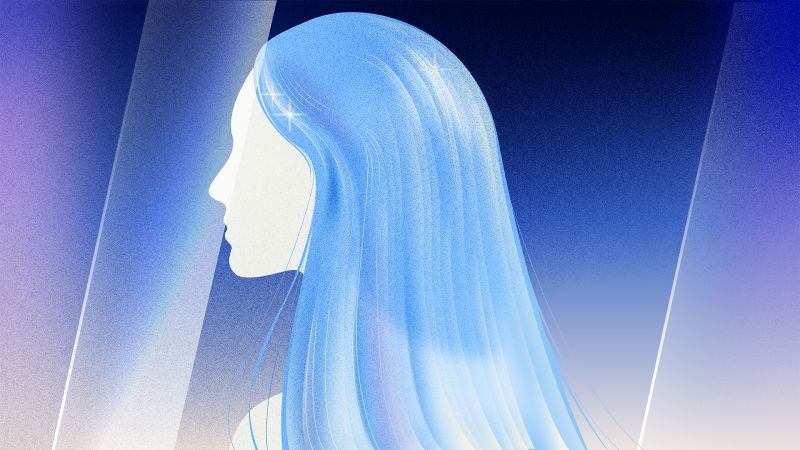
You’ve heard of glass skin. Now, it’s time for glass hair
K-Beauty’s Global Expansion
You ve heard of glass skin – K-Everything, a CNN Original Series hosted by Daniel Dae Kim, delves into the far-reaching influence of South Korean culture on global trends. The show is now available on CNN International, CNN All Access, and HBO Max. As the series highlights, the K-beauty phenomenon continues to evolve, with new aesthetic standards emerging in the haircare sphere. A striking example is the rise of “glass hair,” a trend characterized by its mirror-like sheen and ultra-smooth texture, which has gained traction on platforms like TikTok and Instagram.
The concept of glass hair mirrors the earlier “glass skin” trend, which celebrates radiance as a marker of health. Rena Kim, global communications lead at CJ Olive Young, South Korea’s leading beauty retailer, explains how this extension of the K-beauty philosophy emphasizes not just surface-level gloss, but a deeper, more refined approach to hair care. “The Korean market has long prioritized consistent cleansing and maintaining a sleek, glossy appearance,” she notes. This focus has now expanded to include specialized products and practices aimed at aligning hair cuticles for a flawless finish.
Scientific Foundations of the Trend
Anabel Kingsley, a consultant trichologist at Philip Kingsley, underscores the importance of cuticle alignment in achieving the glassy look. “Hair cuticles act as a protective layer, like tiles on a roof,” she explains. “When they’re flat and closed, they reflect light more effectively, enhancing the hair’s natural shine.” This scientific principle is central to the trend, as damaged cuticles—often caused by harsh chemicals, heat styling, or rough handling—can lead to frizz and split ends.
Damage to hair cuticles is a common issue in modern styling routines. Harsh dyes, perms, and excessive brushing can disrupt the cuticle structure, making hair appear dull and unruly. To counteract this, glass hair products often incorporate formulas designed to seal the cuticle, promoting smoothness and strength. Brands like Mise-en-Scène and UNOVE have led the way in this movement, offering low-pH treatments and protein-based solutions that address hair damage while maintaining a polished appearance.
Cultural Drivers and Challenges
The pursuit of flawless, polished hair reflects South Korea’s stringent beauty standards. Both men and women face significant societal pressure to conform to idealized appearances, which has driven demand for advanced haircare solutions. The country’s high rate of cosmetic surgery and its position as a global leader in per-capita beauty product spending illustrate this cultural emphasis. “High-shine hair is often seen as a sign of vitality and perfection,” says Kingsley. “But for many, it requires methods that can compromise hair health.”
Traditional approaches to achieving glass hair, such as high-heat styling and heavy products, are increasingly being questioned. “Unless you have naturally straight hair, most people resort to techniques that cause damage,” Kingsley warns. This has prompted a shift toward more sustainable practices, including low-heat styling tools and specialized brushes that minimize tension. Meanwhile, consumers are embracing a holistic approach to hair care, integrating scalp treatments, conditioning, and protective measures into a unified routine.
Market Trends and Consumer Behavior
The demand for glass hair products has grown alongside the K-beauty movement, with brands adapting to new consumer preferences. While earlier styles relied on rigid, heavy-hold methods, there’s now a noticeable trend toward natural, damage-conscious styling. This change is evident in the popularity of UV and heat protectants, as well as nourishing rinse-off or leave-in hair masks. “Consumers are increasingly prioritizing prevention over correction,” Kim observes, highlighting a shift toward long-term hair health.
Scalp care has also become a focal point in this evolving landscape. The foundation of healthy hair, scalp treatments are now considered essential in the K-beauty regimen. This emphasis on the scalp aligns with the broader trend of interconnected haircare routines, where each step—from cleansing to styling—plays a role in maintaining overall hair quality. As Kim explains, “The focus is on a comprehensive approach that addresses the root of hair health.”
Global Market Growth and Tourism Impact
With the aging population expected to rise significantly by 2030, hair thinning is projected to become a major concern. Grand View Research estimates the global hair-thinning market will grow by 82% from 2024 to 2030, driven by an aging demographic where one in six individuals will be over 60. This statistic underscores the need for targeted haircare solutions, particularly those that prevent damage and promote resilience.
South Korea’s influence on this trend is evident in the surge of international interest. Travelers are now flocking to the country for scalp massages and head spas, with one tourism platform reporting a 219% increase in bookings for scalp care services during the first 11 months of 2025 compared to the previous year. This rise in demand highlights the cultural and practical value placed on meticulous haircare practices. South Korean President Lee Jae Myung recently brought attention to this industry when he publicly advocated for coverage of hair loss treatments, signaling growing recognition of its importance in global health and beauty.
Expert Insights and Recommendations
“Damage to the hair cuticle can lead to frizziness or split ends, so sealing it is crucial for maintaining shine,” says Anabel Kingsley.
Kingsley emphasizes that while glass hair is visually impressive, it requires careful attention to avoid long-term harm. “Gentle styling with lower heat and a good protectant, combined with deep conditioning and weekly bond repair treatments, are the best ways to sustain healthy hair,” she adds. This advice is particularly relevant for those who rely on high-heat tools or tight hairstyles, which can strain the hair over time.
Despite its appeal, the glass hair trend is not without its challenges. Kim notes that the trend’s focus on perfection can sometimes overshadow the diversity of hair types. “Everyone’s hair is different, so what works for one person may not suit another,” she says. This insight calls for a more personalized approach to haircare, balancing the desire for a sleek look with the need for preservation. As the trend continues to evolve, the integration of science, culture, and consumer behavior will shape its future direction.
Ultimately, the glass hair movement represents a broader shift in how people perceive and care for their hair. By combining innovative products with mindful techniques, it offers a pathway to achieving a polished appearance without sacrificing hair health. This balance is key to sustaining the trend’s popularity and ensuring it remains a viable option for a wider audience. As K-beauty continues to expand its reach, the emphasis on holistic haircare practices is likely to grow, reflecting a more sustainable and inclusive approach to beauty standards worldwide.
