
Texas teen sentenced to 35 years for fatally stabbing another athlete at a high school track meet
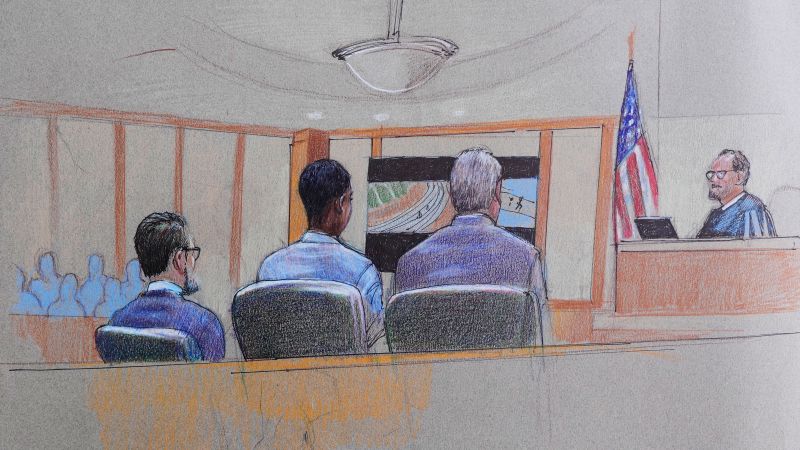
Texas Teen Receives 35-Year Sentence for Fatal Stabbing During High School Track Meet
Texas teen sentenced to 35 years – In a case that captured national attention, a 19-year-old Texas student has been sentenced to 35 years in prison for fatally stabbing a 17-year-old rival track athlete during a high school competition. The incident, which occurred in McKinney, a fast-growing suburb of Dallas, unfolded in the bleachers of a sports event, sparking a legal battle that highlighted tensions between students and their communities. The verdict, delivered on Tuesday, marked the culmination of a trial that spanned nearly a week and drew crowds eager to witness the outcome.
A Heated Confrontation in the Bleachers
The deadly clash between Karmelo Anthony and Austin Metcalf took place during a spring day when rain drenched the field. Anthony, a member of a rival team, had been sitting under the Memorial High School tent in the stadium bleachers. Witnesses described a volatile exchange between the two boys, with Metcalf repeatedly demanding Anthony leave the space. The tension escalated quickly, culminating in a violent confrontation that left Metcalf critically injured.
“You don’t get to meet a shove with a stab, especially if you provoke the shove,” said prosecutor Bill Wirskye during closing arguments.
According to testimony, Metcalf had ordered Anthony to vacate the tent, a request Anthony initially ignored. The altercation reportedly began when Anthony reached into a bag and declared, “Touch me and see what happens,” as recorded in a police report. Metcalf, who was white, then pushed Anthony, prompting him to pull out a knife and stab the other boy in the chest. The fatal injury occurred within moments, and the trial quickly became a focal point for debates over self-defense and intent.
Jury Rejects Self-Defense Claims
The jury’s decision to convict Anthony of murder came after less than three hours of deliberation. His legal team had argued that the stabbing was a spontaneous act of self-defense, but the prosecutors emphasized Anthony’s role as the aggressor. Witnesses, including several students, testified that Anthony had provoked Metcalf before the attack, with one teen recalling Metcalf’s statement, “You don’t have anything in that backpack. It’s Frisco.”
Anthony, who did not take the stand during the trial, faced the possibility of a life sentence. His mother, Kala Hayes, pleaded with the jury, expressing remorse and asking for leniency. “He’s very sorry for what he did. Please, have mercy on my son,” she said, her voice trembling as she addressed the jurors.
“Mercy to the guilty is cruelty to the innocent,” argued prosecutor Bill Wirskye, pushing for a harsh sentence.
The trial also brought to light the racial dimensions of the case. Anthony is Black, while Metcalf is white, and social media posts amplified the incident as a symbol of racial conflict. However, both defense and prosecution acknowledged that the tragedy was not solely about race but about the circumstances of the confrontation. Lawyers on either side told jurors the key issue was whether Anthony acted in self-defense or with premeditation.
Testimonies and Legal Arguments
During the trial, the prosecution presented a clear narrative of Anthony’s aggression, citing witnesses who described the incident as a result of his provocation. Defense attorney Mike Howard, meanwhile, framed the stabbing as a moment of instinctive reaction. “Texas law does not require that you wait until you get hit,” he told the jury. “In that split second of chaos, you must put yourself in his shoes.”
Howard stressed that Metcalf had no legal right to physically retaliate, arguing that Anthony’s actions were a response to being cornered. The defense also pointed to the environmental factors, such as the rain and the crowded bleachers, as contributing to the heightened emotions of the moment. In contrast, the prosecution emphasized Anthony’s intent, highlighting the sequence of events leading to the fatal blow.
Community Impact and Final Remarks
The case resonated beyond the courtroom, with spectators lining up outside the Collin County courthouse to await the verdict. Despite the sweltering 90-degree heat, dozens of people gathered, some expressing shock while others voiced support for the conviction. As the jury announced the guilty verdict, a woman in the crowd cried out, “This isn’t real!” reflecting the emotional weight of the moment.
Frisco, the city where both students hailed from, has seen rapid growth and modernization, with state-of-the-art schools and athletic facilities. Yet the stabbing has cast a shadow over its reputation as a community of promising young athletes. Both Anthony and Metcalf were described by their families as good students with aspirations of attending college, underscoring the tragedy of their conflict.
“Ultimately, this case is about accountability. What kind of community do you want to live in?” insisted prosecutor Wirskye, urging the jury to prioritize justice over leniency.
The trial’s outcome has left many questioning the balance between individual responsibility and societal context. With Anthony now facing a 35-year prison term, the case serves as a reminder of how quickly a moment of tension can escalate into a life-changing consequence. The jury’s decision to reject the self-defense claim also highlights the broader implications of how young people navigate conflicts in competitive environments.
As the trial concluded, the community remains divided. Some view the sentence as a necessary measure for justice, while others believe it reflects a broader pattern of racial bias. The event has become a symbol of the complexities surrounding youth violence, identity, and the role of social media in shaping public perception. For now, the focus remains on the finality of the verdict and the path ahead for Anthony, who will serve his sentence in the state’s correctional system.
