
Former Taliban commander sentenced to 42 years in prison for killings of US soldiers and journalists’ kidnappings
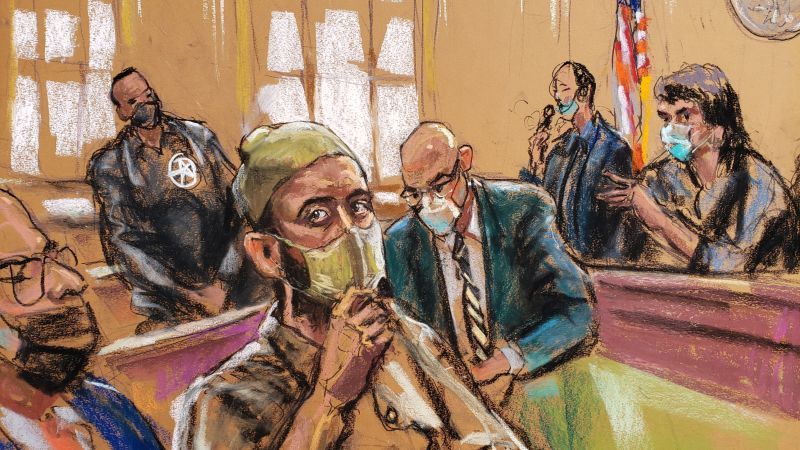
Taliban Commander Gets 42-Year Sentence for US Soldier Killings and Journalist Abductions
Former Taliban commander sentenced to 42 years – A former Taliban commander was sentenced to 42 years in prison for his role in the 2008 abduction of journalist David Rohde and for supporting attacks that killed three U.S. soldiers. The verdict, handed down in a Manhattan federal court, underscores the long-term impact of terrorist acts and hostage-taking. Rohde, who had been captured with two others in Afghanistan, recounted the events during the trial, revealing how the commander’s actions led to a seven-month ordeal before their escape from a Pakistani compound. The case has now concluded after nearly two decades of legal proceedings, with the commander admitting guilt for his involvement.
The Trial Details
Haji Najibullah, the former Taliban commander, faced charges related to material support for terrorism and conspiracy to abduct civilians. During the trial, he acknowledged his role in supplying weapons to the Taliban, which were later used in attacks on American troops. Rohde, now a national security reporter for MS NOW, testified about the commander’s attempts to shift blame, stating, “He refused to take responsibility as I look at him today.” The emotional testimony highlighted the commander’s awareness of his actions and the lasting harm they caused.
“What happened to him was terrible, and I deeply regret my role in it,” Najibullah said through an interpreter, expressing remorse for his part in the journalist’s kidnapping. He also extended an apology to Rohde’s family, emphasizing the psychological toll of his decisions.
Escaping the Abduction
Rohde described the day of the ambush as a turning point in his life. He had believed the meeting with Najibullah would be a routine interview, only to be taken hostage by Taliban operatives. The three captives—Rohde, a fellow journalist, and a driver—were held in a remote compound in Pakistan’s tribal regions, where they endured fear and uncertainty for months. Their eventual escape under the cover of darkness became a defining moment in the case, symbolizing both their resilience and the commander’s culpability.
“I could not be prouder of being part of this profession,” Rohde said, his voice trembling as he reflected on his career as a journalist. He emphasized that the abduction was not just a personal trauma but a broader attack on media freedom and safety.
The Sentence and Its Rationale
After a guilty plea in April 2025, Najibullah received a 42-year sentence, which balanced his crimes with his past imprisonment under harsh conditions. Judge Katherine Polk Failla noted that while federal guidelines suggested a life sentence, the commander’s history of captivity influenced the decision. Prosecutors argued that the sentence should reflect the severity of his role in the attacks, while the defense highlighted his necessity during wartime.
“Hostage-taking is a cruel and cowardly crime. Family members spend weeks and months thinking they have the power to save their loved ones, but it’s an illusion,” Rohde said, underscoring the emotional weight of the case. His words resonated with the court as they weighed the commander’s guilt against his personal circumstances.
Legacy of the Verdict
The 42-year sentence for the former Taliban commander marks a significant milestone in the fight against terrorism. It reaffirms the justice system’s commitment to holding individuals accountable for acts that endanger lives, both military and civilian. Rohde’s testimony, combined with the trial’s emotional and factual depth, has brought renewed attention to the role of Taliban leaders in global conflicts. The decision also highlights the enduring consequences of such actions, which ripple through families and communities for years.
Conclusion and Implications
The sentencing reflects the gravity of the commander’s crimes and the justice system’s efforts to address them. While the 42-year term may seem lenient compared to life imprisonment, it acknowledges his awareness of the harm caused. Rohde’s advocacy during the trial emphasized the importance of holding perpetrators accountable, regardless of their rank or position. The case serves as a reminder of the long-term impact of terrorism, from the initial act to the lasting scars it leaves on victims and their families.
