
Americans ‘don’t like the look of things’ and are growing more worried about their job and their finances
Americans ‘Don’t Like the Look of Things’ and Are Growing More Anxious About Employment and Financial Stability
Consumer Sentiment Hits a Three-Year Low Amid Rising Costs and Uncertainty
Americans don t like the look – Recent survey data reveals a notable shift in Americans’ outlook on their financial health, with a significant portion expressing pessimism about the future. According to the Federal Reserve Bank of New York’s latest monthly survey, the percentage of respondents who indicated their household finances were “somewhat worse off” or “much worse off” compared to the previous year reached its highest level since January 2023. This trend reflects a deepening sense of economic unease, particularly as inflationary pressures and external conflicts continue to weigh on consumer confidence.
The survey also marks a fifth consecutive month of decline in optimism regarding financial improvement. For the first time in over two years, fewer Americans expect their financial condition to improve, signaling a prolonged period of cautious expectations. This decline coincides with broader economic challenges, including a surge in living costs and a weakening labor market, which have left many households struggling to maintain their standard of living.
Inflation Expectations Stay High, but Signs of Moderation Emerge
Despite the gloomy financial outlook, inflation expectations remain stubbornly elevated. The survey revealed that annual inflation projections for the next year stood at 3.5%, slightly lower than the April peak of 3.6% but still higher than pre-pandemic levels. This figure is closely monitored by the Fed as a key indicator of future price trends, which can influence monetary policy decisions.
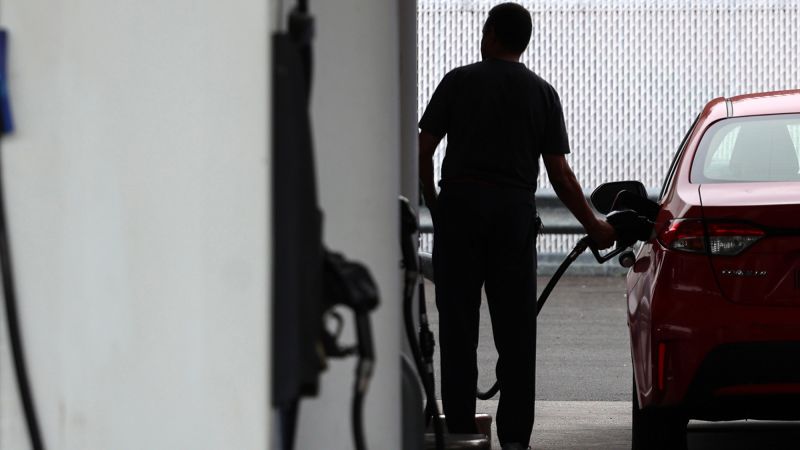
Sharp increases in energy prices, particularly gasoline, have played a major role in driving inflation upward. The Consumer Price Index, which measures overall price changes, began the year at 2.4% and climbed to 3.8% by April, outpacing wage growth. While the May data, set to be released Wednesday, suggests inflation could surpass 4% for the first time in three years, some analysts note that the recent easing in expectations may signal a potential slowdown in price increases.
Job Market Anxiety Persists, with Voluntary Quit Rates on the Rise
Parallel to financial concerns, the job market is showing signs of heightened uncertainty. The New York Fed’s findings indicate that the average probability of job loss within the next year has reached 15.1%, the highest level in six months. This reflects growing anxiety among workers about the stability of their employment, particularly in light of a stagnant labor market that has seen limited hiring and firing activity.
Meanwhile, the chance of securing a new job within three months after unemployment has dropped to 43.7%, a five-month low. This decline is far below the pre-pandemic benchmark of around 60%, highlighting a more cautious approach to job searching. As Elizabeth Renter, a senior economist at NerdWallet, observed, “The likelihood of finding a job in three months if you lose your current position is a strong barometer of how people view the overall job market. Americans are clearly feeling the pressure.” The data underscores a shift in worker behavior, with more people considering leaving their current roles as economic conditions tighten.
“When employers aren’t hiring much and job offers aren’t rolling in, you can feel stuck and this typical path of development can slow to a crawl,” Renter added. “We’ll likely see measures of consumer labor market sentiment rise when we see broad-based hiring tick up, as workers regain confidence in their ability to advance.”
External Conflicts and Domestic Pressures Fuel Inflationary Concerns
The worsening economic sentiment is compounded by geopolitical tensions, particularly the ongoing US-Israeli conflict with Iran. This situation has driven up the cost of goods and services, especially in the energy sector, exacerbating affordability issues for households. The rising prices have not only stretched budgets but also intensified worries about the long-term viability of current financial plans.
As inflation continues to climb, its impact on consumer spending and savings habits is becoming more pronounced. The Fed’s attention to inflation expectations is critical because these forecasts can create a self-fulfilling cycle: if people anticipate higher prices, they may accelerate purchases or demand larger wage increases, further fueling inflation. This dynamic is particularly relevant in the current environment, where uncertainty about economic conditions is shaping both personal and collective financial decisions.
Policy Implications and the Road Ahead
The latest survey results provide a snapshot of Americans’ evolving economic perceptions, which could influence the Federal Reserve’s approach to interest rates and stimulus measures. With inflation expectations remaining elevated and job market confidence waning, policymakers are likely to prioritize maintaining price stability while addressing employment concerns. However, the challenge lies in balancing these priorities without stifling economic growth.
Analysts suggest that the upcoming May data, which will include updated inflation figures, may reinforce the need for continued vigilance. If the annual pace of price hikes exceeds 4%, it could signal a more entrenched inflationary environment, requiring the Fed to consider rate hikes or other tightening measures. Meanwhile, the labor market’s stabilization, marked by a reported net gain of 172,000 jobs in May, offers a glimmer of hope but does not yet reverse the trend of cautious optimism.
For many Americans, the combination of rising living costs and job market uncertainty has created a perfect storm of financial stress. This sentiment is not isolated to one region or demographic but is widespread, suggesting a systemic challenge rather than a temporary fluctuation. As the economy continues to navigate these headwinds, the Federal Reserve and other policymakers will need to act decisively to restore confidence and prevent further deterioration in consumer sentiment.
Ultimately, the New York Fed’s survey serves as a warning sign: Americans are increasingly aware of the risks to their financial and employment stability. Whether these concerns will translate into sustained economic slowdown or temporary market adjustments depends on how quickly inflationary pressures ease and how effectively the labor market begins to recover. For now, the data paints a picture of a nation at a crossroads, where the balance between stability and uncertainty remains precarious.
