
From cartels to street vendors: Here’s who stands to profit (or not) from World Cup tourism in Mexico
From Cartels to Street Vendors: Mexico’s World Cup Tourism Surge
From cartels to street vendors – The vibrant green, white, and red of the Mexican flag are now dominating Mexico City’s streets, heralding the city’s readiness to host the World Cup’s opening match this week. As the global event draws near, local businesses, entrepreneurs, and vendors are seizing the opportunity to attract visitors. Analysts estimate the tournament could bring in up to $3.7 billion (MX$65 billion) in economic activity, with tourism playing a pivotal role. However, the shift from cartels to street vendors in this context raises questions about who truly benefits—and who might be left behind.
Economic Opportunities and Local Impact
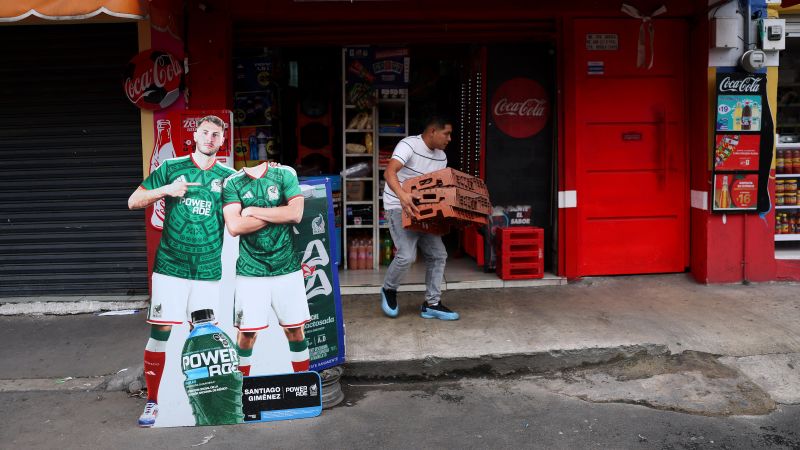
Across Mexico City, the demand for World Cup-themed products is surging. Markets and storefronts are transforming to cater to fans, from branded souvenirs to festive decorations. El Zocalo, the city’s central square, has become a focal point of informal memorabilia, with vendors selling soccer ball keychains and figures of leaders in team jerseys. While these are not official, they have created a bustling atmosphere, drawing crowds eager for the spectacle. For businesses like Salon Corona, the influx of fans could mean record attendance, but for smaller operators, the challenge lies in competing with the organized efforts of larger vendors.
Restaurants and cafes are also adapting. Miguel Laguna, manager at Salon Corona, noted the venue is already booked solid. “This is a unique chance to welcome more people, especially those traveling for the matches,” he stated. Meanwhile, Alejandro Gonzalez, owner of Garage Burger, is investing in promotions and decorations like football-shaped balloons to lure customers. Yet, concerns linger about how these efforts might affect smaller, independent stalls, particularly as the tournament drives foot traffic toward centralized fan zones.
Crime and the Tournament’s Dual Role
As the World Cup gains momentum, organized crime groups are positioning themselves to capitalize on the event. Security experts warn that extortion and other illicit activities may increase, with businesses such as restaurants, hotels, and nightclubs becoming prime targets. In Cancun and Puerto Vallarta, where tourists flock for day trips, criminal networks have historically imposed fees on establishments serving visitors. This shift from cartels to street vendors also opens new avenues for cybercrime, as scammers exploit the tournament’s popularity to trick fans into sharing sensitive information through counterfeit apps and websites.
Victoria Dittmar, a senior researcher at InSight Crime, emphasized the overlap between the tournament and criminal gains. “Local businesses have become highly profitable, especially for localized organized crime groups,” she said. These groups may use the event’s visibility to extract revenue from tourist-facing ventures. While the tournament aims to boost the economy, it also presents opportunities for exploitation, creating a complex interplay between growth and crime in the region.
Scams and the Threat to Tourists
With the World Cup in full swing, scammers are preparing to target fans through counterfeit goods and services. Fake tickets for Mexico’s 13 matches and fraudulent vendors are already on the rise, according to government warnings. Travelers are advised to verify authenticity before purchasing, as unreliable sellers could compromise their experience. The threat extends beyond physical items: digital platforms are mimicking official sources to steal banking details or monitor online activity, adding a layer of risk for those visiting the country for the event.
For tourists, the surge in activity brings both excitement and caution. “These platforms are designed to compromise personal and financial data,” the Mexican government cautioned. As the tournament unfolds, the dual forces of economic growth and criminal activity will shape the landscape for both locals and visitors. While some businesses thrive, others face challenges in maintaining their foothold amid the competition from cartels to street vendors.
