
Two top UK defense officials resign over military spending in fresh blow to Keir Starmer
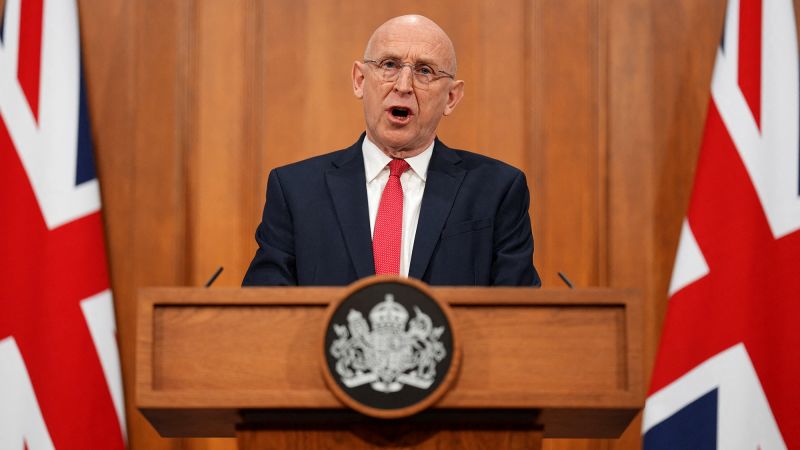
Two Top UK Defense Officials Resign Over Military Spending, Adding to Starmer’s Leadership Challenges
Two top UK defense officials resign – British Prime Minister Keir Starmer faces mounting political pressure as two senior defense officials, John Healey and Al Carns, have resigned in recent days. The moves, which occurred on June 11, 2026, signal growing dissatisfaction within the government over its approach to military funding, raising concerns about the country’s readiness to address emerging global threats. Healey, the Secretary of Defense, cited a budget shortfall, while Carns, the Minister of State for the Armed Forces, highlighted the mismatch between the evolving nature of conflict and the resources allocated to the military.
Resignations Highlight Dispute Over Defense Funding
Healey’s resignation followed a heated disagreement with the government over defense budgets, stating that the allocated funds “fall well short of what is required for defense and the country at this dangerous time.” His letter, shared on the social media platform X, emphasized the urgent need for increased resources to equip the British Armed Forces adequately. Carns echoed this sentiment in his own letter, which was also posted on X, arguing that the government is “failing” to provide the necessary support for the military to function effectively in a more perilous world.
“We are asking our Armed Forces to operate in a more dangerous world on a budget written for a calmer one,” Carns wrote, reflecting on the shifting dynamics of global conflict. He added that the “character of conflict is changing faster than our procurement can keep up with,” leaving the military ill-prepared for modern challenges.
Starmer’s Government Under Fire
Starmer, whose Labour Party government has seen its popularity wane just two years after a decisive general election win, has been grappling with internal dissent. The resignations of Healey and Carns come amid rising tensions within the party, with some members urging Starmer to step down following poor results in recent local elections. The prime minister’s defense strategy has been scrutinized as a key issue, particularly after his commitment to raise military spending to 3.5% of GDP by 20235 came under question.
Downing Street announced on Thursday that Dan Jarvis, the Security Minister, has been appointed as the new Secretary of State for Defense. This reshuffle follows the publication of Starmer’s letter defending the government’s funding decisions. In the letter, Starmer asserted that his administration has achieved “the highest sustained increase in defense spending since the Cold War,” despite cutting international aid budgets to meet the goal.
Defense Investment Plan and Global Pressures
Starmer’s Defence Investment Plan aims to reallocate government resources to ensure “sustainable” growth in defense capabilities. He argued that the plan allows for increased military spending while maintaining fiscal responsibility, directing funds toward both national security and economic development. “The money spent is spent wisely and used to back jobs and growth here in Britain,” Starmer claimed in his letter, underscoring the dual purpose of the strategy.
However, critics argue that the plan’s emphasis on gradual increases has left the UK unprepared for immediate threats. The former Royal Marine, Al Carns, pointed to the “rising threats” highlighted in recent intelligence assessments, including the possibility of a Russian attack on NATO nations by 2030. Healey reminded Starmer that the prime minister had previously acknowledged these risks, yet the Treasury’s reluctance to commit sufficient resources remains a point of contention.
Context of NATO and Strategic Priorities
The resignations occur as the UK prepares to announce its defense funding overhaul plans ahead of an upcoming NATO summit. These proposals, which have been delayed multiple times due to internal disagreements, are expected to outline the government’s vision for strengthening military capabilities. Despite the delays, Starmer maintains that the plan is essential for long-term security, particularly in light of ongoing geopolitical tensions.
Starmer also referenced the UK’s role in global alliances, citing support for Ukraine and Gulf nations as evidence of his commitment to international security. “Our leadership in the Coalition of the Willing on Ukraine, our backing for Gulf allies, and our work on the Strait of Hormuz demonstrate the value of increased defense spending,” he wrote. Yet, these efforts have not quelled the criticism that the UK’s military is being underfunded in the face of growing threats.
Leadership Crisis and Upcoming Challenges
The resignations have intensified concerns about Starmer’s ability to hold together his coalition. With the Labour Party’s support dwindling, the government now faces the possibility of a leadership challenge. The critical by-election in Makerfield, northwest England, next week could serve as a turning point, as Andy Burnham, the Manchester Mayor and Starmer’s arch-rival, is running against him. Should Burnham win, he is expected to launch a formal leadership bid within the party.
Starmer’s recent remarks in defense of his spending decisions reflect his determination to weather the storm. In a letter to Healey, he stated, “I will always do what is needed to keep our country safe,” and thanked the former defense secretary for his contributions. Yet, the loss of Healey and Carns—both respected figures in the party—leaves Starmer in a precarious position, with his authority increasingly questioned.
Former NATO Chief Warns of National Vulnerability
Adding to the pressure on Starmer, a former NATO chief warned that the UK’s complacency on defense could leave the country exposed. The statement, published alongside the resignations, highlighted the urgency of the situation, particularly as the nation’s defense budget remains a key point of debate. “British leaders’ failure to prioritize military readiness puts the country in peril,” the former official cautioned, emphasizing the need for decisive action.
Starmer’s government has faced criticism for its approach to balancing domestic and international priorities. While he has defended the decision to boost defense spending, opponents argue that the current allocation is insufficient to address the fast-paced changes in warfare. Carns’ comment about the “character of conflict” underscores this debate, as the UK grapples with the challenge of adapting its military to new threats.
Political Implications and Future Outlook
The resignations mark a significant moment in Starmer’s tenure, with his leadership now hanging in the balance. The Labour Party, already shaken by recent electoral setbacks, must navigate the fallout from these departures while preparing for the NATO summit. The government’s delayed funding plans have raised doubts about its ability to deliver on key promises, further complicating its position.
As the by-election looms, the political landscape in the UK remains volatile. Starmer’s ability to retain his position will depend on his capacity to address the concerns of both his party and the public. The resignations of Healey and Carns serve as a reminder of the high stakes involved in the defense debate, with the nation’s security and Starmer’s leadership at the center of the controversy.
The situation highlights the delicate balance between fiscal responsibility and military preparedness. While Starmer insists that his plan is a “sustainable way” to enhance defense, the resignations suggest that this vision may not be enough to satisfy the demands of the armed forces or the electorate. As the UK moves toward the NATO summit, the pressure to resolve these issues will only mount, testing the resilience of Starmer’s government in the face of mounting challenges.
CNN’s Sharon Braithwaite contributed to this report.
