
US puts up $750K to evacuate an American who was aboard hantavirus cruise ship from remote island
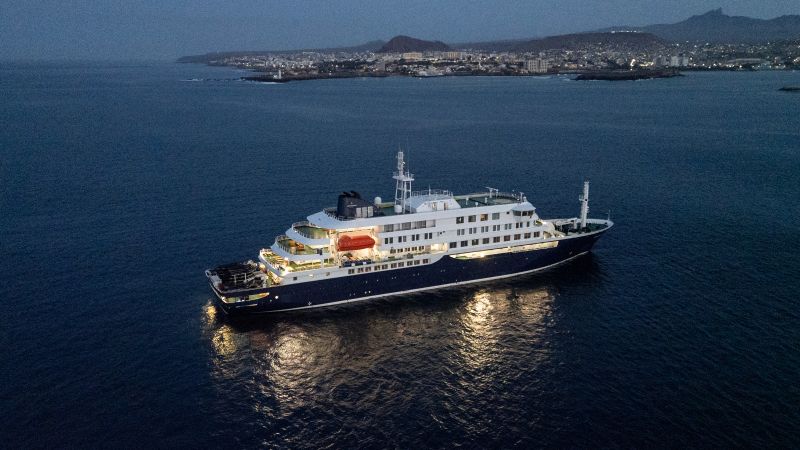
US Allocates $750,000 for Evacuation of American from Hantavirus-Affected Cruise Ship
US puts up 750K to evacuate – As part of a growing list of emergency operations, the Trump administration has committed $750,000 to charter a private yacht for the evacuation of a single American citizen stranded on a remote South Pacific island. This decision highlights the escalating costs of the State Department’s contingency efforts, particularly in response to a hantavirus outbreak that originated aboard a Dutch cruise liner earlier this year. The move has raised concerns about the financial strain on the department’s emergency fund, which has seen its reserves dwindle to the lowest level in seven years.
Evacuation Details and the Hantavirus Outbreak
The American woman, believed to have been exposed to the virus during her time on the MV Hondius cruise ship in April, was initially disembarked and then flown to San Francisco before proceeding to Pitcairn Island. According to two U.S. officials and an internal government document shared with The Associated Press, the woman’s journey to the isolated British territory involved a series of logistical hurdles. Pitcairn, home to fewer than 50 residents, lacks an airport and relies on infrequent maritime transport, making her relocation an urgent challenge.
The cruise ship, which had already faced a deadly hantavirus outbreak, continued its route to other South Atlantic destinations even after the woman left. Reports indicate that several passengers fell ill during the voyage, with at least three fatalities recorded. This situation has complicated the evacuation process, as French Polynesian authorities initially rejected attempts to transport the woman from Pitcairn to Tahiti—a French territory—due to her failure to disclose her exposure during transit. The decision left the U.S. with no choice but to organize an alternative plan.
Financial Implications for the State Department
The evacuation effort has added to the mounting expenses of the State Department’s emergency budget, known as the “K Fund.” This fund, designed to cover unforeseen crises, has been repeatedly tapped for rapid evacuations of diplomats and private citizens from the Middle East since the Iran conflict began. Now, with the Pitcairn case, the department faces pressure to address a potential shortfall.
According to an internal document verified by officials, the State Department is considering shifting $50 million into the K Fund from other accounts. This includes $35 million from the embassy security, construction, and maintenance budget, as well as $15 million from funds allocated for broader diplomatic programming. However, no final decision has been made on these transfers. One official noted that the department still believes it can manage both ongoing and emerging contingency needs without immediate financial panic.
The challenge lies in balancing the costs of multiple operations while maintaining readiness for future emergencies. The officials emphasized that the K Fund remains critical for supporting Americans abroad, particularly in high-risk scenarios such as the Ebola outbreak in Africa. Despite the current strain, the department has not ruled out seeking additional funding from Congress to replenish the fund.
Pitcairn Island’s Unique Role in the Crisis
Pitcairn Island, a British territory, is renowned for its historical connection to the 1789 mutiny on the HMS Bounty. The island’s current population is largely descended from Fletcher Christian and his fellow mutineers, who sought refuge there after deposing Captain William Bligh. This cultural and geographical isolation has made Pitcairn a strategic yet difficult location for emergency evacuations.
The woman’s situation on Pitcairn underscored the island’s logistical limitations. With no airport and limited maritime options, the U.S. had to deploy a private yacht to ensure her safe transport. The chosen vessel, the “Titaina Explorer,” is a trimaran owned by a private entity, according to the government document. This unconventional approach reflects the urgency of the case and the lack of immediate alternatives.
The State Department declined to provide specific details about the woman’s condition or the exact medical rationale for her evacuation. However, a spokesperson reiterated the department’s commitment: “When an American is at risk abroad and unable to access commercial transportation, the Department of State seeks to provide appropriate assistance to get them home to the United States or to another safe location.” This statement was included in a blockquote from the official’s remarks, emphasizing the prioritization of American citizens in emergencies.
Broader Context of U.S. Evacuation Policies
The Pitcairn evacuation is part of a larger pattern of U.S. efforts to assist citizens in crisis situations. Since the outbreak of the Iran war, the State Department has been actively managing rapid evacuations from the Middle East, often under tight timelines. These operations, combined with the need for preparedness in regions like Africa, have placed significant pressure on the K Fund.
The recent hantavirus outbreak on the MV Hondius serves as a reminder of how quickly public health crises can disrupt international travel and emergency response plans. The ship’s continued voyages after the woman’s departure have compounded the issue, as several passengers reportedly fell ill during the journey. The outbreak’s severity has prompted questions about the effectiveness of quarantine measures and the speed of response in remote areas.
As the evacuation unfolds, the U.S. is transporting the woman to Easter Island, a Chilean territory approximately 1,400 miles from Pitcairn. Easter Island’s direct flights to Santiago offer a viable route for her to return to the United States for further medical care. The officials involved in the operation described the process as painstaking, requiring weeks of coordination to secure the necessary resources and clearances.
While the K Fund remains a lifeline for the State Department, the financial adjustments being considered signal a potential shift in how the agency manages its resources. The proposed transfer of $50 million from other accounts would help stabilize the fund, but the officials noted that the decision is still pending. This case has sparked discussions about the need for a more robust emergency budget, especially as global health threats continue to evolve.
The story of the American woman’s evacuation from Pitcairn Island highlights the complexities of international diplomacy and public health emergencies. It also serves as a case study for how the U.S. prioritizes its citizens in isolated locations, often at significant cost. As the operation proceeds, the focus remains on ensuring her safety while addressing the broader implications for the State Department’s financial strategy.
“When an American is at risk abroad and unable to access commercial transportation, the Department of State seeks to provide appropriate assistance to get them home to the United States or to another safe location.”
In conclusion, the $750,000 allocation for this evacuation reflects the State Department’s ongoing commitment to protecting its citizens, even in the most challenging circumstances. The incident also underscores the need for flexibility in emergency funding and the importance of international cooperation in crisis management.
