
FISA: What to know about the government’s key spy powers that are on the verge of expiration
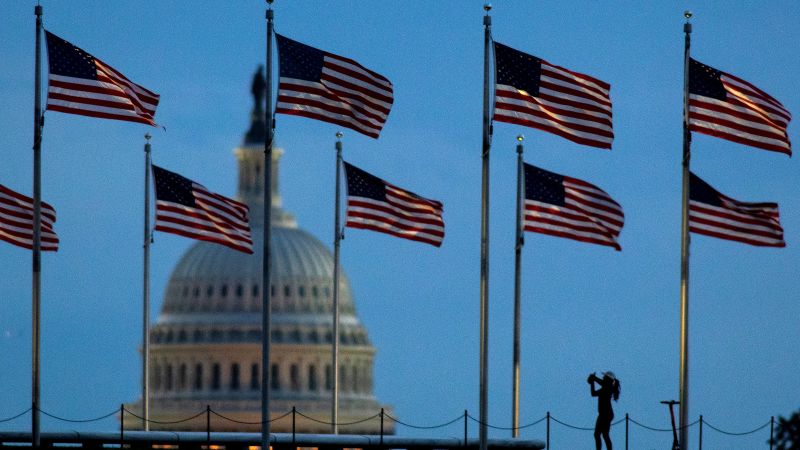
FISA: What to Know About the Government’s Key Spy Powers on the Brink of Expiration
FISA – The foundational pillar of American intelligence operations, a critical tool for countering terrorism, faces an uncertain future as political disagreements and a pivotal appointment stall its renewal. Section 702 of the Foreign Intelligence Surveillance Act (FISA) has long been a cornerstone of the U.S. government’s ability to monitor global communications, but its expiration looms after Congress failed to secure a long-term extension. With the Senate and House locked in deadlock, the program’s fate now hinges on a last-minute decision that could leave the nation’s security apparatus vulnerable for weeks.
The Scope of Section 702 Surveillance
Section 702 grants the U.S. government sweeping authority to intercept communications—phone calls, emails, and text messages—between foreign individuals and Americans. This provision, established in 1978 and updated in 2008, allows intelligence agencies to access data through the internet’s “backbone,” compelling telecom companies and online providers to cooperate. While designed for targeting non-U.S. citizens, the law’s broad scope often captures American data incidentally, sparking debates about privacy and oversight.
“What more can I do?”
— House Speaker Mike Johnson
House Republicans, including Johnson, have cited this ambiguity as a reason to withhold support. Their decision to leave Washington without voting on the program’s renewal has left the law in limbo, with the expiration date set for Friday midnight. National security officials have expressed concern over the resulting gaps in intelligence collection, warning that each delay creates new vulnerabilities.
Stalled Negotiations and a Controversial Appointment
The political gridlock surrounding Section 702 has deepened in recent weeks, with key figures on both sides of the aisle weighing in. The breakthroughs in negotiations were fleeting, as the appointment of Bill Pulte—former head of the Federal Housing Finance Agency—as acting director of national intelligence has shifted the balance of power. Pulte, who lacks prior experience in intelligence matters, has drawn sharp criticism from Democrats, who argue his leadership undermines bipartisan support for the program.
“Two things are true. Bill Pulte should not be leading DNI and nobody should vote against FISA because of Bill Pulte.”
— GOP Rep. Brian Fitzpatrick
Fitzpatrick, a former FBI special agent, emphasized the law’s value in protecting lives. He warned that the lapse would significantly weaken America’s ability to track threats, stating, “An expected lapse is really bad and makes Americans 1000% less safe.” His comments reflect growing frustration among Republicans who see the program as essential for national security, even as Democrats push for reforms to address privacy concerns.
Temporary Fixes and Lingering Doubts
With no permanent solution in sight, Congress has resorted to temporary measures. A 45-day extension was recently passed, delaying the program’s expiration but not resolving the underlying conflict. This patch, however, has not satisfied all parties. Internet advocacy groups like Demand Progress have contended that the law can still be enforced past the deadline, citing previous court extensions. Yet telecom providers have cautioned that they cannot indefinitely bear the legal risks of continuing the program without congressional backing.
Johnson, the Republican leader, has taken a firm stance, accusing Democrats of using critical votes as leverage. He declared that the House would not reconvene during its scheduled recess to address FISA, calling any vote on the issue “futile.” This move has deepened the divide, with Johnson expressing hope that the expiration does not lead to a “serious calamity” on American soil in the coming weeks.
Debates Over Privacy and Legal Authority
The controversy over Section 702 has intensified as lawmakers debate its implications. While the law enables rapid data collection, critics argue it lacks sufficient safeguards for Americans’ privacy. A September 2023 report by the Privacy and Civil Liberties Oversight Board highlighted this tension, noting that the program includes an additional “highly sensitive technique” authorized in 2022. This method, which allows intelligence agencies to gather data from U.S. citizens without prior court approval, has become a focal point of the debate.
Despite these concerns, the program remains vital to intelligence operations. The National Security Agency (NSA) relies on Section 702 data to inform critical decisions, including those reflected in the Presidential Daily Brief. CNN has reported that a significant portion of this intelligence comes from the 702 program, underscoring its role in shaping national security strategies.
Broader Implications for National Security
The expiration of Section 702 coincides with a pivotal moment for the United States. As the nation marks its 250th anniversary, the war with Iran has escalated, and political violence has reached historic levels. These developments have heightened the urgency for intelligence capabilities, with experts warning that the lapse could disrupt monitoring of foreign actors and hinder responses to emerging threats.
Meanwhile, the ongoing stalemate in Congress has exposed the fragility of the legislative process. The temporary patch, while preventing immediate collapse, has not addressed the program’s broader legal and operational challenges. With the deadline approaching, stakeholders on both sides are preparing for a final showdown, even as the risks of inaction grow.
Some lawmakers and analysts argue that the program’s expiration could lead to a new era of intelligence reform, emphasizing the need for stricter oversight. Others, however, warn that the loss of Section 702 would leave the government with a critical tool in its arsenal, potentially weakening its ability to track threats in a rapidly evolving security landscape.
As the debate continues, the spotlight remains on the acting director of national intelligence and the political decisions that shape the nation’s surveillance framework. The outcome of this standoff will not only determine the future of Section 702 but also set a precedent for how the U.S. balances national security with civil liberties in an age of digital interconnectedness.
