
Smartphones arrived just before the US fertility rate plunged. One study says it’s a direct cause
Smartphones and the Decline of US Fertility: A New Study’s Insight
The Correlation Between Smartphone Adoption and Fertility Trends
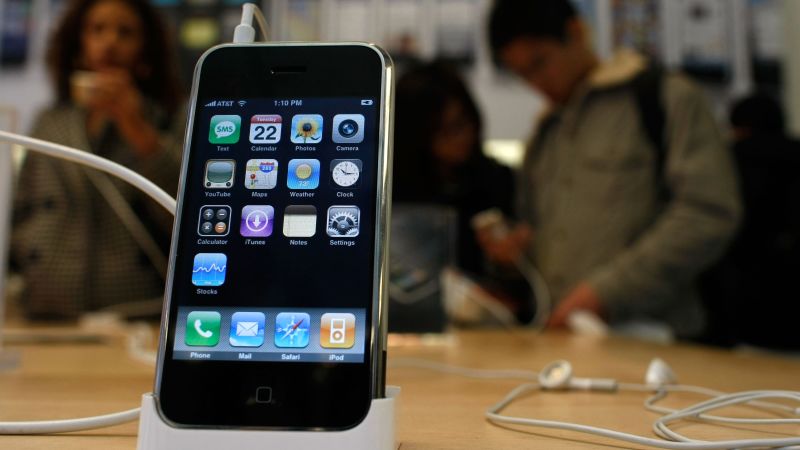
Smartphones arrived just before the US fertility – The rise of smartphones in the United States coincided with a sharp drop in the nation’s fertility rate, sparking debate about their potential impact. Over the past two decades, the U.S. birth rate has steadily declined, prompting researchers to explore factors behind this trend. While traditional explanations like economic instability and lifestyle changes have been widely cited, a recent study suggests a new angle: the spread of smartphone technology. According to the research, the proliferation of smartphones, especially the iPhone, may have played a significant role in reducing fertility rates. However, the study does not claim smartphones are the sole cause, but rather one of several contributing factors.
Published in the latest issue of *Economic Inquiry*, the study by Caitlin Myers and Ezekiel Hooper examines the timeline of smartphone adoption and its correlation with fertility data. The researchers argue that the introduction of smartphones in 2007—just as the Great Recession began—marked a turning point. Before this period, it was commonly believed that economic downturns would eventually lead to recovery, with birth rates rising in tandem. But the U.S. fertility rate remained low even after the recession ended, leading the team to question the role of technology in shaping reproductive decisions.
“We initially assumed the economic crisis was the main driver, but the data showed that smartphones might have altered how people interacted, which in turn affected family planning,” Myers explained.
Methodology and Key Findings
The study focused on the spread of AT&T mobile broadband, which was the primary network for early smartphone use in the U.S. By analyzing geographic patterns of smartphone access, the researchers compared fertility trends in regions with high versus low adoption rates. Their findings revealed that areas with early smartphone access experienced more pronounced declines in birth rates. For example, teenagers in regions with widespread smartphone use saw a 26% drop in fertility between 2007 and 2011, compared to a 14% decline in less connected areas. This suggests that smartphone availability may have influenced how young people approach relationships and family planning.
For women in their 20s, the study found a 15% decrease in fertility in counties with robust smartphone access, versus a 10% drop elsewhere. The effect was even more complex for women in their 30s, where birth rates fell in high-access areas but rose slightly in others. These findings support the hypothesis that smartphones have altered social behaviors, possibly by replacing face-to-face interactions with digital communication. The researchers estimate that the early adoption of smartphones contributed between a third and a half of the overall fertility decline during this period.
Expert Perspectives and Broader Context
While the study highlights a potential link between smartphones and fertility decline, many experts caution against overemphasizing the role of technology. Dr. [Name], a social demographer at the University of [Location], acknowledged that smartphones have influenced relationship dynamics but stressed that they are part of a larger societal shift. “Smartphones arrived just before the US fertility rate plunged, but they are not the only factor at play,” she said. “Changing gender roles, rising education levels, and economic pressures have also shaped how people choose to start families.”
Hooper, one of the study’s co-authors, added that the smartphone’s impact might be more indirect. “It’s not about replacing every in-person interaction, but about how people now spend more time on their devices, which can influence their behavior over time,” he explained. The researchers also noted that the decline in fertility was not uniform across all demographics, with younger generations and certain age groups showing more pronounced changes. This variability suggests that while smartphones may have played a role, their effects depend on how individuals integrate the technology into their daily lives.
