
War-wary Hill Republicans question Trump’s Iran strategy with control of Congress at stake
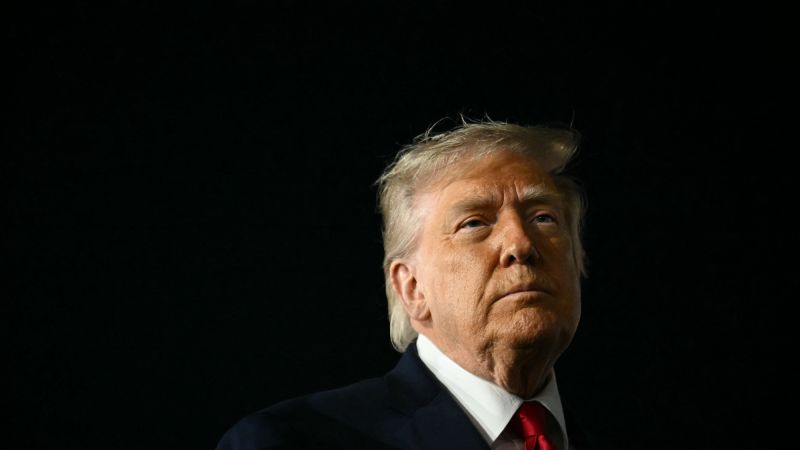
House Republicans question Trump’s Iran strategy as midterms loom
Lawmakers express growing unease over Trump’s evolving approach
War wary Hill Republicans question Trump – With the November elections fast approaching, a group of House Republicans has raised concerns about President Donald Trump’s inconsistent Iran policy. The administration’s fluctuating strategy—alternating between aggressive military threats and diplomatic optimism—has sparked internal debate within the party. As inflation and fuel prices continue to rise, some lawmakers fear that the ongoing conflict could overshadow other pressing issues, including economic stability and domestic priorities. This uncertainty has led to a push for a more defined plan, as concerns mount over how the war might impact the party’s chances in Congress.
“People are feeling the pressure,” said Sen. Shelley Moore Capito of West Virginia. “It’s not just about gas prices or food costs—it’s about the direction we’re heading. I think the president needs to focus on a peace solution to keep the public’s support.”
Recent developments have heightened this scrutiny. Following Trump’s announcement of a potential attack on an Iranian oil facility, several prominent Republicans voiced their apprehension. Critics argue that the administration’s threats lack a clear strategy, risking alienation of voters who are fatigued by prolonged military engagement. This sentiment spans the party’s ideological spectrum, from moderate lawmakers to hardline supporters, all united in their skepticism about the current course of action.
Concerns over economic impact and policy clarity
The economic ramifications of the Iran conflict have become a central point of contention. As inflation rises, the war’s cost is increasingly seen as a liability. “We need an exit strategy,” said Rep. Jeff Van Drew of New Jersey, a moderate who endorses the goal of limiting Iran’s nuclear ambitions. “If this drags on, it could hurt our campaign efforts.” The administration’s failure to present a compelling case for its actions has deepened divisions, with some lawmakers now questioning whether the strategy aligns with voters’ priorities.
“Makes no sense to me,” remarked GOP Sen. John Cornyn of Texas. “We’re not focusing on the things people care about at election time—like job security and healthcare. That’s a problem.”
Trump’s rhetoric on inflation has further fueled this discord. His recent claim that “I love the inflation” has been interpreted as a signal that economic challenges are being prioritized over the war’s consequences. This has prompted accusations that the White House is placing ideological goals above practical outcomes. “The president has decided to take the pain,” said Rep. John Kennedy of Louisiana. “But I think the long-term gains of weakening Iran are worth the costs to our economy and public image.”
Amid the tension, the Pentagon’s $350 billion funding request has become a flashpoint. Trump has emphasized the need for increased military spending, but lawmakers are split on its necessity. Some warn that the additional funds could deepen the party’s struggles in the midterms, while others argue that it’s essential for maintaining the administration’s war strategy. “We haven’t communicated the case well,” said Rep. Don Bacon of Nebraska, highlighting the lack of clarity in justifying the conflict’s economic toll.
The debate underscores broader concerns about the military’s role in the war. While Trump advocates for direct action, including targeting Iranian oil infrastructure, others in the party caution against putting troops in harm’s way. “I don’t support boots on the ground,” said Rep. Nick LaLota of New York. “We need a plan that avoids unnecessary risks while securing our interests.” This divergence in priorities reflects the growing pressure on the administration to balance strategic objectives with public sentiment.
