
NOAA’s Hurricane Hunter fleet is aging. Senators want to make it bigger and newer
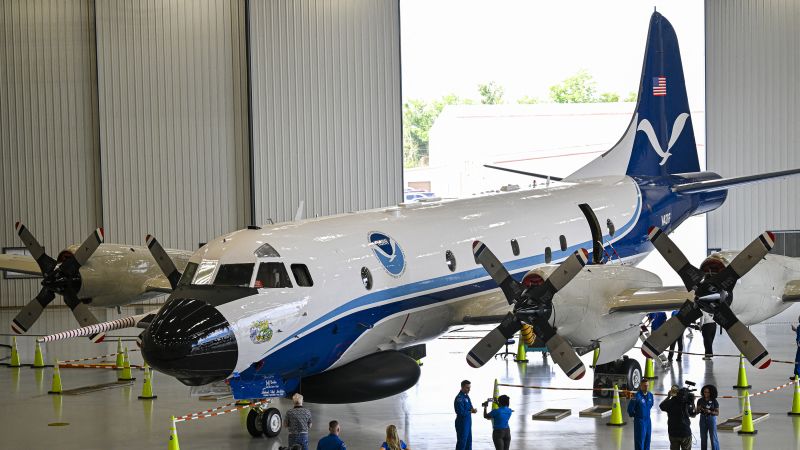
NOAA’s Aging Hurricane Hunter Fleet Needs Modernization, Senators Push Expansion
NOAA s Hurricane Hunter fleet is aging – As climate patterns shift and extreme weather events become more frequent, the National Oceanic and Atmospheric Administration (NOAA) is facing pressure to upgrade its aging Hurricane Hunter fleet. A bipartisan group of senators has proposed a legislative initiative to expand the agency’s aircraft capabilities, aiming to triple the number of planes dedicated to storm reconnaissance. This move is driven by concerns that the current fleet, operating with limited resources, may struggle to keep pace with the increasing intensity of hurricanes. The plan, which is expected to be unveiled soon, would allocate significant funding to replace outdated models and enhance data collection efforts, ensuring more accurate forecasts for coastal communities.
Why the Current Fleet Is at Risk
NOAA’s Hurricane Hunter fleet, which has been instrumental in tracking tropical storms for decades, now consists of three aging aircraft. These planes, including the WP-3D Orion turboprops and the Gulfstream jet, are reaching the end of their service life. Scientists warn that the declining reliability of these older models could lead to mission delays or cancellations during critical hurricane seasons. With hurricanes intensifying faster and more frequently, the need for up-to-date technology has never been greater. The proposed expansion would not only replace these aging planes but also introduce new capabilities to better monitor extreme weather systems.
NOAA’s role in hurricane research has long depended on these aircraft, which fly directly into storms to gather real-time data. This information is crucial for improving forecasts, allowing meteorologists to predict storm paths and intensities with greater precision. However, the current fleet’s age has raised questions about its ability to sustain operations in the coming years. For instance, the Gulfstream jet, known as “Gonzo,” is expected to be retired soon, leaving NOAA reliant on temporary solutions to maintain its data-gathering mission.
Bipartisan Effort for Enhanced Hurricane Monitoring
The proposal has garnered support from both major political parties, reflecting a shared understanding of the urgency. Senators Ted Cruz and Maria Cantwell, leaders of the Senate Commerce, Science and Transportation Committee, have joined forces to push the legislation. Their collaboration highlights the critical need for NOAA to remain equipped to handle the evolving challenges of climate-driven weather. Additional backing comes from four senators representing coastal states, whose regions are particularly vulnerable to hurricanes and tropical storms.
Cantwell, whose state recently faced severe flooding due to atmospheric river events, stressed the importance of the program in her remarks. “NOAA’s Hurricane Hunter fleet provides essential data that helps us prepare for extreme weather, but we need to invest in modern tools to keep up with the changing climate,” she noted. The legislation also seeks to solidify NOAA’s role in aircraft reconnaissance, protecting it from potential shifts in responsibility to other agencies like the U.S. Air Force, which currently supports hurricane monitoring with its own fleet of C-130J aircraft.
Funding and Technological Upgrades
The bill includes a $2.5 billion allocation to NOAA for acquiring new aircraft and an additional $45 million annually to recruit specialized pilots. This funding would address both the operational and staffing gaps in the current system, ensuring a more robust and reliable data-gathering network. The proposed expansion would increase the fleet size to at least six planes, doubling the current number, while allowing for a maximum of nine to provide flexibility during peak hurricane seasons.
NOAA has the authority to operate up to six Hurricane Hunter planes, but previous budgets have not supported this goal. The new legislation would create a clear framework for scaling operations, with specific provisions to maintain redundancy and prevent single-plane failures. This would be a significant step toward ensuring the agency can respond effectively to hurricanes, even as they grow more powerful and unpredictable. The integration of advanced technologies, such as Doppler radars and improved atmospheric modeling tools, is also emphasized to enhance the accuracy of forecasts and improve disaster preparedness.
Long-Term Implications for Weather Forecasting
By modernizing its Hurricane Hunter fleet, NOAA aims to better understand the complex dynamics of extreme weather systems. This includes not only hurricanes but also other phenomena like atmospheric rivers, which contribute to heavy rainfall and flooding in regions such as the Pacific Northwest. Accurate data from these aircraft is vital for refining predictive models and providing timely warnings to vulnerable communities. The bill’s emphasis on investment in cutting-edge technology aligns with broader efforts to improve weather forecasting capabilities in the face of climate change.
Senators argue that without this expansion, NOAA’s ability to provide reliable hurricane forecasts could be compromised. The current fleet, while still functional, is struggling to meet the demands of a more unpredictable climate. By securing funding for new aircraft and updated systems, the legislation would ensure that NOAA can continue its critical work in tracking storms and reducing the risks associated with extreme weather events. This is a key step in safeguarding public safety and supporting informed decision-making during hurricane seasons.
