
Mangione’s attorneys say they won’t argue psychiatric defense in state murder trial – one day after indicating they would
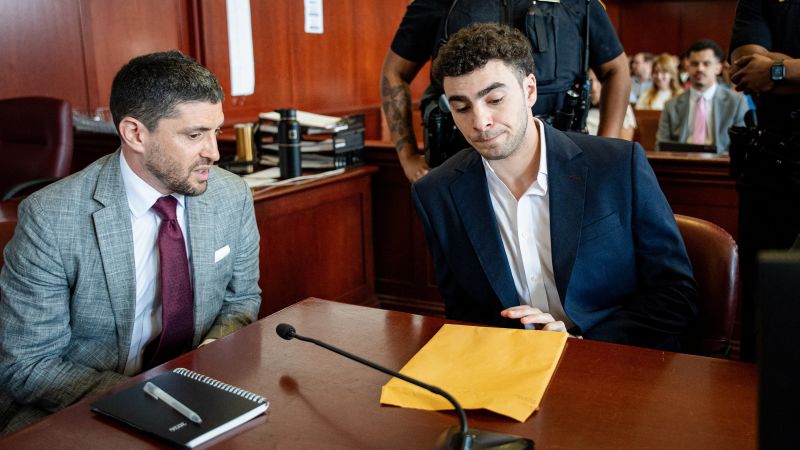
Luigi Mangione’s Legal Team Withdraws Psychiatric Defense in State Murder Trial
Mangione s attorneys say they won t – On Thursday, the legal team representing Luigi Mangione informed the court that they would no longer present a psychiatric defense in the New York state murder trial. This decision came just one day after the attorneys had suggested during a prior hearing that they would pursue the strategy. The change was outlined in a court filing, signaling a shift in the defense’s approach as the trial approaches. Mangione’s attorneys could not be reached for immediate comment, while the Manhattan District Attorney’s office chose not to respond. The withdrawal has raised questions about the reasoning behind the sudden reversal, particularly in light of the defense’s earlier stance.
The Judge’s Role in Keeping Records Sealed
During a hearing on Wednesday, Judge Gregory Carro expressed his intention to unseal records connected to the affirmative defense of extreme emotional disturbance (EED). This legal strategy allows defendants to admit guilt but argue that their actions were influenced by a mental health episode, reducing the charge from murder to manslaughter. However, Carro adjusted his plan on Thursday, deciding to keep those records sealed. His reasoning appears to align with the defense’s decision to abandon the EED argument, which could impact the jury’s understanding of the case.
The decision to seal the records highlights the strategic considerations at play. By withholding details about the defense’s mental health evidence, Mangione’s attorneys aim to protect the integrity of their case. This move could prevent potential jurors from being influenced by preconceived notions about the defendant’s mental state before the trial begins. The judge’s flexibility in handling the EED defense underscores its importance in shaping the trial’s outcome.
Why the Psychiatric Defense Was Key
Legal experts have emphasized that the psychiatric defense could be Mangione’s strongest argument in the state trial. If successful, it would transform the charge from murder to manslaughter, significantly reducing the potential prison sentence. The defense’s withdrawal, however, leaves the jury without this critical element, potentially shifting the narrative toward a more direct prosecution. This change also raises concerns about how the prosecution will frame the case moving forward.
The EED defense hinges on proving that Mangione acted under an intense emotional state at the time of the shooting. Prosecutors argue that the evidence linking him to the crime scene and his motive is robust enough to counter this claim. In a key ruling last month, Carro had approved the release of evidence that prosecutors believe connects Mangione to the fatal shooting of UnitedHealthcare CEO Brian Thompson. This evidence, which includes details about his presence at the Midtown Manhattan hotel where the incident occurred, will be central to the state’s case.
The Federal Stalking Charges and Strategic Implications
Mangione, who pleaded not guilty to both state murder and weapons charges, also faces federal stalking accusations. The state trial is scheduled to commence in September, but the federal case remains active. The attorneys’ strategy to withdraw the psychiatric defense may have broader implications, affecting how the federal court perceives the defendant’s mental state and intent. This could influence the jury’s perception in both trials, creating a challenge for the defense to maintain consistency.
Former prosecutor Gary Galperin described the defense’s abrupt change as “stunning.” He speculated that the decision might stem from Mangione’s personal conviction or the retraction of the defense’s mental health expert. The attorneys had until Thursday to disclose the expert’s name and credentials, a requirement that adds pressure to the strategy shift. Galperin noted that the high-profile nature of the case means any public revelation about the defense could sway potential jurors, making the withdrawal a strategic move to avoid pretrial bias.
The Publicity Battle and Juror Impact
During a June 3 hearing, which was initially sealed, Mangione’s lawyer Karen Friedman Agnifilo stated, in a transcript released on Thursday, that “if a defendant goes with an EED defense, they’re essentially admitting publicly that they committed this crime.” She argued that the intense media coverage surrounding the case could prejudice jurors if the defense were to reveal its plan prematurely. “Not only does this prejudice the case, but it also affects the federal trial, given the extraordinary publicity,” Agnifilo added.
“Agnifilo highlighted that presenting the EED defense would effectively mean the defendant is acknowledging their role in the crime. This creates a dilemma for the defense team, who must balance the need for public acknowledgment with the risk of influencing the jury’s perception.”
Galperin echoed this sentiment, explaining that the defense’s earlier indication of using the psychiatric strategy might have been a calculated effort to test the jury’s reaction. By withdrawing the defense, Mangione’s team aims to keep the focus on the physical evidence and circumstantial details rather than psychological factors. This could streamline the trial, allowing prosecutors to present a more straightforward case without the defense’s mental health arguments complicating the narrative.
The Case Details and the Manhunt
The shooting of Brian Thompson, UnitedHealthcare’s CEO, occurred in December 2024 when Mangione ambushed him as he walked toward a hotel in Midtown Manhattan. The incident, which has drawn national attention, led to a nationwide manhunt and a dramatic arrest. Mangione’s legal team has worked tirelessly to build a defense that could mitigate the severity of the charges. The withdrawal of the psychiatric strategy suggests they are prioritizing a different approach, possibly one that emphasizes intent and premeditation.
The EED defense requires the jury to consider whether Mangione’s mental state at the time of the shooting was so impaired that he could not fully control his actions. If the defense were to proceed, it would need to present expert testimony and evidence supporting this claim. The prosecution, however, argues that the circumstances of the shooting—specifically, Mangione’s presence at the hotel and his actions—clearly indicate a deliberate act, not an emotional breakdown. The withdrawal of the defense may make it easier for the prosecution to argue that Mangione acted with intent, strengthening the case for a murder conviction.
Expert Perspectives on the Defense’s Strategy
Legal analysts have pointed out that the psychiatric defense, while challenging, was the most viable option for Mangione. The strength of the evidence against him, including surveillance footage and witness accounts, makes the EED argument a potential lifeline. If the defense had proceeded, it would have required the jury to accept that Mangione’s actions were influenced by a mental health episode, even if he admitted to firing the shot. This could have been a pivotal moment in the trial, shifting the burden of proof to the state.
However, the decision to withdraw the defense suggests that Mangione’s team may have underestimated the jury’s reaction or faced internal challenges. Galperin speculated that the mental health expert might have revised their opinion or that Mangione himself has changed his stance. “The defense’s ability to adapt quickly shows their confidence in the strategy,” Galperin said. “But it also reveals the uncertainty surrounding the case’s mental health elements.”
The withdrawal of the psychiatric defense leaves the state with a clearer path to conviction. Prosecutors can now focus on the physical evidence, such as the position of Mangione at the crime scene and his motive, without the defense’s psychological arguments. This shift may also align with the federal case, where stalking charges are being considered. The legal team’s decision to abandon the psychiatric defense could signal a broader strategy to emphasize Mangione’s premeditation and intent, potentially leading to a more severe sentence.
What’s Next for the Trial
With the psychiatric defense now off the table, the trial will proceed with a more direct focus on Mangione’s actions. The prosecution will likely highlight the evidence that ties him to the scene and the motive behind the shooting. Meanwhile, the defense will need to prepare alternative arguments to counter the state’s case. The sealed records, which were previously considered for unsealing, may still play a role in the trial, though their impact will be limited without the defense’s full disclosure.
As the trial approaches, the public and media will continue to scrutinize Mangione’s case. The decision to withdraw the psychiatric defense could be seen as a concession, but it may also reflect a strategic move to simplify the trial. Legal experts suggest that the defense’s choice to keep the records sealed is part of a broader effort to control the narrative and protect the jury’s impartiality. Whether this strategy will hold up in court remains to be seen, but it marks a significant turning point in the case.
This story has been updated with additional information. CNN’s Nicki Brown contributed to this report.
