
150,000 square feet of barnacles and sea gunk: The latest problem in the Strait of Hormuz
150,000 square feet of barnacles and sea gunk: The latest problem in the Strait of Hormuz
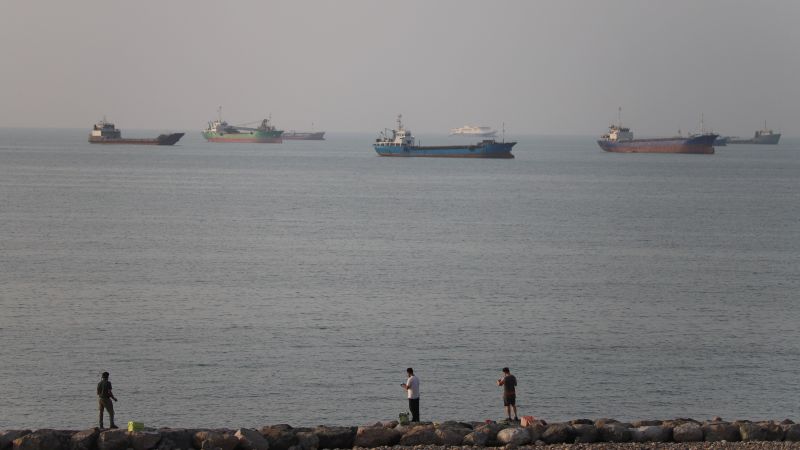
150 000 square feet of barnacles – When Derek Hamm of Obsessive Compulsive Divers in Marathon, Florida, was asked how long it takes for marine organisms to take over a massive oil tanker, he chuckled. “Four months?” he said. “Man, that’s plenty of time for a lot of gross stuff to accumulate.” For months, hundreds of supertankers have been anchored in the Persian Gulf, their hulls slowly becoming encrusted with barnacles, mussels, clams, algae, and other organisms that thrive in warm seawater. These biofouling colonies are now a pressing issue for maritime operators, requiring specialized teams to scrape them off before ships can resume their journeys.
The Hidden Cost of Stagnation
The Strait of Hormuz, a vital chokepoint for global oil traffic, has seen an unprecedented buildup of marine life on stationary vessels. This phenomenon, known as biofouling, is a persistent challenge in the shipping industry. Unlike a typical algae growth, biofouling involves a complex ecosystem of organisms that adhere to ship surfaces, creating layers of organic material that can weigh down vessels and hinder their efficiency. For oil tankers, which are often stuck in the strait for extended periods, the task of removing these accumulations is not just a matter of cleanliness—it’s a critical step in restoring operational flow.
“In the maritime world, it’s not so weird,” Hamm, a professional bottom cleaner, remarked. “It’s a routine problem that demands attention, especially when the stakes are as high as they are now.”
The scale of the task is staggering. A single supertanker, stretching over 1,000 feet in length and with a beam of around 150 feet, presents 150,000 square feet of surface area to contend with. Crews of five to six divers must spend several hours each day using hand scrapers and high-pressure washers to dislodge the organisms. This process is labor-intensive and requires precision to avoid damaging the ship’s protective coatings, which are designed to prevent biofoul buildup. As the number of anchored ships in the region continues to grow, the demand for these services has surged, creating a backlog that’s hard to manage.
Why Biofouling Matters for Oil Transport
Removing biofouling is essential for maintaining a ship’s performance. “The work is straightforward and not complicated,” said Brian McCauley, owner of McCauley Mooring and Diving. “But those ships are just way too big for individual divers.” Specialized tools like lances, power sanders, and hydraulically powered pressure cleaners are used to tackle stubborn growth, often powered by onboard generators. However, divers must be cautious to preserve the ship’s paint and specialized coatings, which play a key role in reducing drag and fuel consumption.
Fuel efficiency is a major concern for maritime operators. “Fuel makes up about 50% of a ship’s operating costs,” noted Neil Roberts, head of marine and aviation at Lloyd’s Market Association. Biofouled hulls increase drag, forcing vessels to burn more fuel to maintain speed. For oil tankers ferrying millions of barrels across thousands of miles, this inefficiency translates to significant financial losses. In some cases, severe growth on propellers can render them ineffective, a problem that’s more common in vessels anchored for years but now acute due to the current situation.
“Severe growth on propellers can render them completely useless over time,” said Carolyn Shearlock, owner of the boat enthusiast website The Boat Galley. “Even small organisms inside intake valves can disrupt cooling systems, leading to mechanical failures.”
Maritime regulations mandate that ships clear biofouling before entering ports. This ensures compliance with environmental standards and avoids violations tied to biofoul clauses in insurance contracts. The problem is not new—centuries ago, warships were equipped with copper bottoms to deter marine worms from boring into wooden hulls. Today, the same principle applies, but with modern materials and a global energy crisis compounding the urgency.
The Financial and Environmental Impact
The economic implications of biofouling are vast. With 600 anchored ships waiting to clear the strait, the industry has seen a sharp rise in demand for bottom cleaning services. This has allowed cleaning crews to increase their fees, with some charging upwards of $10,000 per vessel, according to Aron Sørensen, chief environment officer at BIMCO, an international ship operator organization. While the cost may seem high, it’s considered a necessary investment for maintaining efficiency and reducing long-term expenses.
Moreover, biofouling poses environmental risks. The organisms trapped between barnacle layers often include invasive species that can disrupt local marine ecosystems. These non-native creatures, once transported to new waters, can outcompete native species for resources, altering habitats and biodiversity. For example, certain algae can release toxins that harm aquatic life, while crustaceans like barnacles may clog filters or damage propellers, further complicating operations.
Challenges Beyond the Water
As the world grapples with energy supply shocks, the Strait of Hormuz has become a microcosm of broader logistical challenges. Ships that have been towed out of the strait to avoid conflict may still face the need for biofoul removal, highlighting the problem’s universal relevance. “Even if they’re not in the strait, these accumulations can’t be ignored,” Hamm explained. “The moment they reach port, they have to be dealt with, or the ship can’t operate efficiently.”
Iran’s recent announcement that companies must register with the country to clear the strait underscores the geopolitical angle of the issue. Minesweepers and other vessels must navigate the narrow waters while also managing biofouling, adding another layer of complexity. This regulatory move not only affects operational logistics but also emphasizes the strategic importance of the strait in global energy markets. The process of removing biofouling is now part of a larger effort to stabilize oil shipments, which are vital for economies reliant on Middle Eastern crude.
Despite the challenges, the industry has adapted. Bottom cleaning teams are now using advanced techniques to expedite the process, including high-pressure washing systems and specialized scrubbers. However, the sheer size of the task means that even with these innovations, it’s a slow and meticulous operation. “It’s not just about removing the gunk—it’s about restoring the ship to its optimal state,” McCauley said. “Every hour spent cleaning can save thousands in fuel costs down the line.”
As the world races to get oil flowing again, biofouling has emerged as a hidden obstacle. From the microscopic algae to the barnacles clinging to hulls, these organisms are not just a nuisance—they’re a critical factor in the efficiency and sustainability of maritime operations. The work of bottom cleaners, though unglamorous, is now more important than ever, ensuring that the colossal vessels can continue their journey without being held back by nature’s grip on the sea.
