
Zohran Mamdani’s influence over Democrats put to the test, and other things to watch in Tuesday’s elections
Zohran Mamdani’s Influence Tested in Tuesday’s Elections
Zohran Mamdani s influence over Democrats – Zohran Mamdani’s influence over Democrats is being scrutinized as Tuesday’s primary elections unfold, marking a pivotal moment for the political strategist’s power within the party. With his tenure as New York City mayor approaching its first year, voters will assess whether his progressive vision can challenge entrenched party leaders or if his clout is slipping in the face of traditional Democratic hierarchies. This test of influence extends beyond local politics, offering insights into the broader ideological battles shaping the Democratic Party’s future as it heads toward the 2028 presidential primary.
Progressive Alliances and Regional Challenges
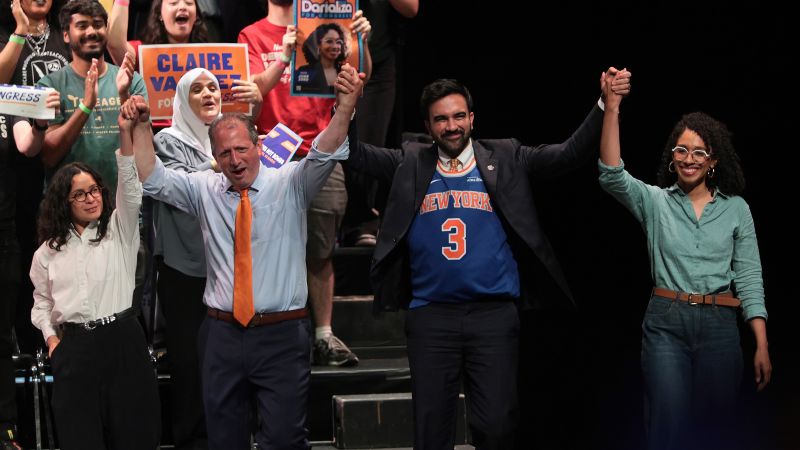
In New York, Mamdani’s endorsements in three House races highlight his efforts to consolidate support for candidates aligned with his agenda. His backing of Brad Lander in the 10th Congressional District underscores a strategic push to maintain momentum from the 2023 mayoral campaign, where Lander lost but became a key ally in opposing former Governor Andrew Cuomo. The 13th District race, featuring Mamdani’s endorsement of educator Darializa Avila Chevalier, adds complexity, as her stance on Israel-Palestine issues could sway Latino voters. Meanwhile, in the 7th District, Assemblywoman Claire Valdez’s campaign against Brooklyn Borough President Antonio Reynoso reflects a push to replace establishment figures with grassroots voices.
These races are not just about local representation—they are battlegrounds for Mamdani’s influence over the party’s direction. His support for Avila Chevalier, despite her recent pro-Palestinian rally, demonstrates a willingness to prioritize progressive messaging over centrist alliances. However, this stance has sparked debate, with some arguing that his influence might alienate moderate Democrats. The results could signal whether his faction is gaining traction or facing resistance in key districts.
Broader Party Dynamics and National Implications
As the Democratic Party navigates a post-Trump era, Mamdani’s actions are shaping the ideological divide. His critique of the party’s past, particularly its relationship with AIPAC, signals a push toward more radical policies that challenge traditional power structures. In a recent rally with Vermont Senator Bernie Sanders, Mamdani emphasized the need for transformative change, framing his influence as a catalyst for redefining the party’s identity. This rhetoric is likely to influence upcoming primaries, where progressive candidates seek to align with his vision.
Mamdani’s influence over Democrats is also evident in his ability to sway local campaigns. By endorsing candidates like Valdez, he aims to restructure the party’s base, favoring grassroots advocates over career politicians. This strategy could have ripple effects in national elections, as progressive voters in New York and other states may prioritize candidates who reflect his values. Yet, the challenge remains in balancing ideological purity with the need for broad appeal across the party’s diverse factions.
Republican Strategy and Voter Behavior
While the focus remains on Democrats, the Republican race in South Carolina showcases a different dynamic. President Donald Trump’s endorsement of both remaining candidates in the governor’s runoff reflects his attempt to maintain control over the GOP’s message. This move, however, may dilute his influence as the primary shifts toward more independent candidates. The outcome of this race could determine whether Trump’s strategic interventions continue to dominate the party’s direction or if new leaders emerge.
Trump’s endorsement strategy is not new, but its effectiveness in South Carolina highlights the evolving role of national figures in state-level politics. His support for Lieutenant Governor Pamela Evette and Attorney General Alan Wilson may help narrow the gap in a closely contested race, yet it also raises questions about his ability to influence the party’s long-term trajectory. As Mamdani tests his influence on the Democratic side, Trump’s actions on the Republican front provide a contrasting case study in political realignment.
