
Exclusive: Downed US pilot reported seeing Iranian drones swarm in ‘jellyfish’ formation
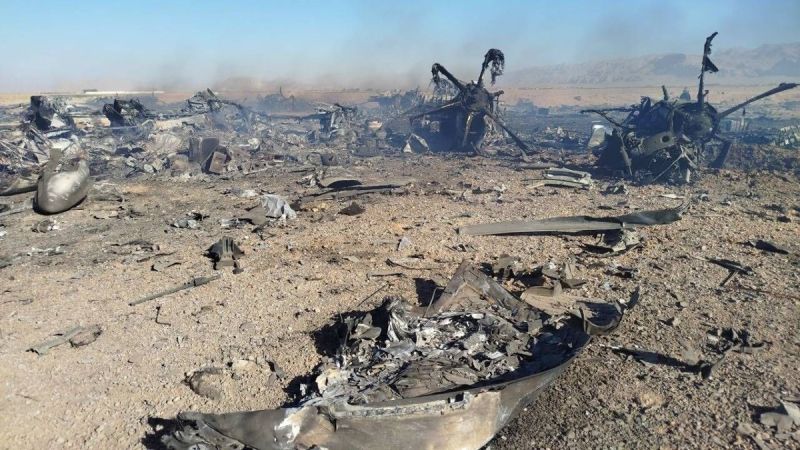
Exclusive: U.S. Pilot Claims Iranian Drones Formed ‘Jellyfish’-Like Swarms Before Crash
Exclusive – A U.S. fighter pilot, rescued by special forces following a downing over Iran in April, recounted witnessing an unusual aerial display before ejecting from his aircraft. According to four sources with knowledge of the incident, the pilot described a striking formation of multiple Iranian drones that appeared to hover in coordinated patterns, resembling a jellyfish. This account, which has not been publicly disclosed, was shared with intelligence officials during a post-incident debriefing. The revelation has sparked intense discussion within the U.S. intelligence community, leaving questions about the true nature of the drones’ capabilities.
The Pilot’s Unusual Observation
The pilot, who was part of a two-crew F-15 jet, reported seeing the drones in a synchronized movement that defied conventional understanding of unmanned aerial systems. “Multiple drones interconnected and moving as one with smaller drones below the bigger ones like legs,” one source familiar with the account explained to CNN. The quote, described as “real alien sh*t,” highlights the pilot’s disbelief at the sight. Another source noted that the pilot likened the scene to a “minefield of drones,” emphasizing the dense and organized appearance of the formation.
While the exact cause of the F-15’s downing remains under investigation, the pilot’s testimony suggests that the drone swarm may have played a role in the attack. Two sources indicated that initial reports pointed toward the possibility of the formation being used to guide Iranian missile systems toward the U.S. aircraft. This raises the prospect of a new, advanced Iranian drone capability that could challenge traditional air defenses.
Debating the Implications
Within the U.S. intelligence community, experts are divided on how to interpret the pilot’s claims. Some view the sighting as evidence of a sophisticated technological leap, while others speculate it might have been an optical illusion or a test of Iranian drone systems. During the debriefing, intelligence officials reportedly questioned the pilot’s ability to accurately describe the event, given his concussed condition from the crash. One source recalled the pilot’s confusion, stating, “Are you sure you saw what you are saying you saw?”
The pilot’s experience is not his first encounter with aerial threats. According to two sources, he had previously been shot down in a friendly fire incident by Kuwaiti forces early in the conflict. This history adds context to his current account, as it suggests he is familiar with the dangers of enemy airpower. However, his repeated exposure to such events has not diminished his astonishment at the recent drone formation. “It felt like something out of a science fiction movie,” another source remarked, underscoring the surreal nature of the encounter.
The Rescue Effort and Casualties
Following the F-15’s downing, U.S. forces swiftly initiated a search and rescue operation. The pilot was recovered hours after ejecting from the aircraft, while his weapons system officer managed to evade capture in the mountainous terrain for over 24 hours before being rescued. The two-crew jet’s weapons system officer, whose perspective on the drone swarm remains unclear, may have observed different details during the incident. A secondary aircraft, an A-10 Thunderbolt, was also downed during the rescue mission, though its pilot safely ejected outside Iranian airspace.
The incident marks the first time a U.S. aircraft has been shot down over Iran during the ongoing conflict. This development has intensified concerns about the evolving Iranian military strategy, particularly its use of drone technology. While the pilot’s report is the first to detail such a coordinated swarm, it aligns with earlier reports of Iran’s growing mastery in drone warfare. These drones have been increasingly employed as an asymmetric weapon, targeting both U.S. and Israeli forces, as well as Gulf nations.
Iran’s Drone Capabilities and External Support
The technical term for the observed drone behavior is “one-to-many meshed networking,” a concept that allows a single operator to control multiple drones in real time. This capability, according to the sources, could enable complex formations and synchronized maneuvers, potentially enhancing the effectiveness of drone attacks. While the U.S. intelligence community has not formally assessed this specific technology, it is believed that Iran has been receiving assistance from China and Russia in developing its drone systems. These partnerships may have accelerated Iran’s progress in creating advanced unmanned aerial capabilities.
As the U.S. and Iran engage in peace talks following a ceasefire agreement, the pilot’s account adds a new layer to the ongoing negotiations. The 60-day window for discussions has been framed around Iran’s nuclear program, but the drone incident has prompted broader scrutiny of its military advancements. “This could be a game-changer,” said Emma Bates, a drone warfare expert and founder of Cachai, during a CNN interview. “If Iran can coordinate drones like this, it means we’ll have to invest heavily in countermeasures to defend against such threats.”
Uncertainties and Broader Concerns
Despite the pilot’s detailed account, uncertainties persist. The U.S. Air Force has directed inquiries to Central Command, which has not yet provided a definitive response to CNN. The Office of the Director of National Intelligence has also not commented on the reports, leaving the situation in a state of ambiguity. Some analysts argue the drone formation might have been a beta test or a rare occurrence, while others see it as a clear indicator of Iran’s readiness to deploy advanced swarm tactics.
The potential for such capabilities could have significant strategic implications. If Iran has mastered meshed networking, it could conduct more precise and coordinated attacks, complicating U.S. and allied efforts to defend against aerial threats. The technology’s dual-use nature further complicates matters, as it could also support civilian infrastructure by providing internet connectivity in remote areas. This versatility underscores the need for the U.S. to reassess its intelligence and military strategies in the face of Iran’s growing technological prowess.
Context of the Conflict
The pilot’s report comes at a critical juncture in the Iran war, as the conflict intensifies with each new development. The use of drones has been a cornerstone of Iran’s asymmetric warfare strategy, allowing it to project power without committing large numbers of troops. The recent sighting of a synchronized swarm could signal the next phase of this strategy, potentially combining drone swarms with missile systems for a more formidable attack.
With the ceasefire agreement in place, the focus is shifting toward diplomatic solutions, but the drone incident has reignited debates about Iran’s military capabilities. The pilot’s testimony, while unverified, offers a glimpse into the potential future of aerial warfare, where autonomous systems could operate in intricate formations to overwhelm enemy defenses. “This isn’t just about drones anymore,” Bates emphasized. “It’s about a new era of warfare where coordination and control can outpace traditional military responses.”
As the U.S. and Iran continue their talks, the pilot’s account serves as a reminder of the challenges ahead. Whether the observed formation was a new technological breakthrough or a strategic display, its impact on the intelligence community is undeniable. The debate over its authenticity and significance will likely shape the next steps in the conflict, as well as the terms of the upcoming negotiations. For now, the mystery of the “jellyfish” formation remains, but its implications for the future of aerial combat are clear.
