
Camp Mystic in Texas files for bankruptcy after catastrophic floods killed 28 people
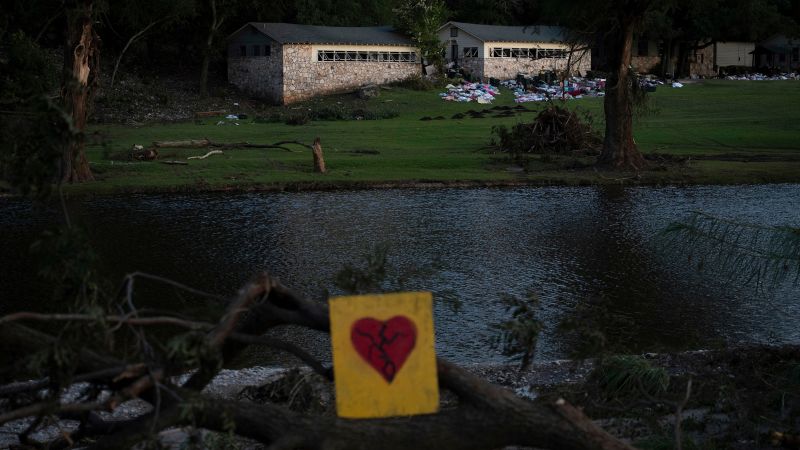
Camp Mystic in Texas Files for Bankruptcy Amid Tragedy
Camp Mystic in Texas files for bankruptcy – More than a year after a devastating flood claimed the lives of 28 individuals, the family-run summer camp known as Camp Mystic has officially sought Chapter 11 reorganization under the U.S. Bankruptcy Court in Houston. The filing, submitted on Wednesday, signals a critical financial pivot for the organization that has long been a cornerstone of the Texas community. The disaster, which struck in July 2025, left a trail of destruction along the Guadalupe River, with the camp’s facilities becoming a focal point of the tragedy.
Tragedy on the Guadalupe River
The floodwaters, unleashed by an unprecedented storm, surged through the camp’s grounds on the afternoon of July 4, 2025, overwhelming structures and cutting off escape routes. The incident resulted in the deaths of 25 girls and two teenage counselors, all of whom were attending the camp as part of a summer program. Families of the victims have since described the event as a “catastrophic failure” in safety protocols, with many questioning how the camp could have been so ill-prepared for such a severe natural disaster.
“Life-threatening floodwaters approached without warning, and the camp operators didn’t act quickly enough,” stated one family member in a statement released during the lawsuit. “It was as if they were caught off guard by the very event they should have been anticipating.”
The Guadalupe River, which runs through the heart of the camp’s location, reached record levels that day, submerging the facility and trapping dozens inside. Emergency responders faced challenges in reaching the stranded individuals, with some accounts describing the chaos of the flood as a “horror scene” that unfolded over several hours. The total number of fatalities attributed to the flooding exceeded 136 people along a several-mile stretch of the river, underscoring the widespread impact of the disaster.
Family Legacy in Peril
For over three decades, the Eastland family has operated Camp Mystic, passing down the tradition through generations. The camp, rooted in Christian values, had served as a cherished retreat for thousands of young girls. However, the financial strain of the tragedy has now forced the family to consider bankruptcy as a path forward. In the bankruptcy filing, the camp listed its accumulated debt at over $10 million, a figure that has grown in the wake of lawsuits, insurance claims, and the costs of recovery efforts.
Despite the overwhelming losses, the camp’s assets are estimated to fall within the range of $100,001 to $500,000, according to court documents. This discrepancy between debt and assets highlights the severity of the financial crisis, with the family now facing the daunting task of reorganizing the camp’s operations or liquidating its holdings. The bankruptcy proceedings will determine whether the camp can continue to function as a summer retreat or if it will be forced to close permanently.
Legal Battle and Ongoing Investigations
Soon after the flood, families of the victims launched a lawsuit against the camp’s management, alleging negligence in safety preparations. The filing, made in November 2025, accused the operators of “failing to implement adequate measures” to protect participants as the floodwaters approached. This legal action has since become a central point of contention, with victims’ families demanding accountability for the loss of lives and the emotional toll on the community.
Richard Eastland, the camp’s founder and a key figure in its operations, also perished in the disaster. His death added another layer of grief to the families, as they grapple with both the physical and psychological aftermath of the tragedy. The lawsuit not only targets the camp’s management but also raises broader questions about the preparedness of similar facilities in the region, particularly those located near flood-prone areas.
A Year of Grief and Financial Strain
As the year marks one year since the flood, the camp’s journey has been defined by sorrow and uncertainty. The incident has not only disrupted the lives of those directly affected but has also shaken the trust of the local community in the safety of the facility. In the months following the disaster, the camp faced intense scrutiny, with lawmakers and residents alike calling for a thorough review of its emergency response systems.
The decision to halt plans for a summer reopening in 2026 came weeks after the bankruptcy filing, as outrage from victims’ families and ongoing legal battles forced the management to reassess their financial strategy. The camp’s leadership has since worked to address concerns, but the combination of mounting debt and unresolved legal issues has made recovery a complex endeavor. For the first time in decades, Camp Mystic may not be able to welcome its usual group of campers, marking a significant turning point in its history.
Community Impact and Future Uncertainty
The flood’s aftermath has left a lasting mark on the surrounding community, with many residents expressing a mix of sympathy and frustration toward the camp’s management. Local officials have emphasized the importance of transparency, urging the family to share detailed accounts of the incident and its response. Meanwhile, the bankruptcy filing has sparked discussions about the financial resilience of small businesses in the face of natural disasters, with some experts warning that similar events could strain other family-owned enterprises in Texas.
As the camp moves through the bankruptcy process, the focus will be on whether it can restructure its finances and rebuild its reputation. The story of Camp Mystic is now intertwined with the broader narrative of resilience and recovery, as the community watches to see if the camp can emerge from the crisis with a renewed sense of purpose or if it will be remembered as a cautionary tale of oversight and misfortune.
In the meantime, the families of the victims continue to seek closure, with their legal battle serving as a symbol of the ongoing struggle for justice. The emotional and financial toll of the disaster has not only reshaped the camp’s future but has also prompted a reevaluation of safety standards for summer camps in flood-prone regions. As the bankruptcy proceedings unfold, the question remains: will Camp Mystic find a way to survive, or will its legacy be forever altered by the floods that claimed so many lives?
