
Former Colorado analyst pleads guilty in DNA testing scandal that forced a review of hundreds of cases
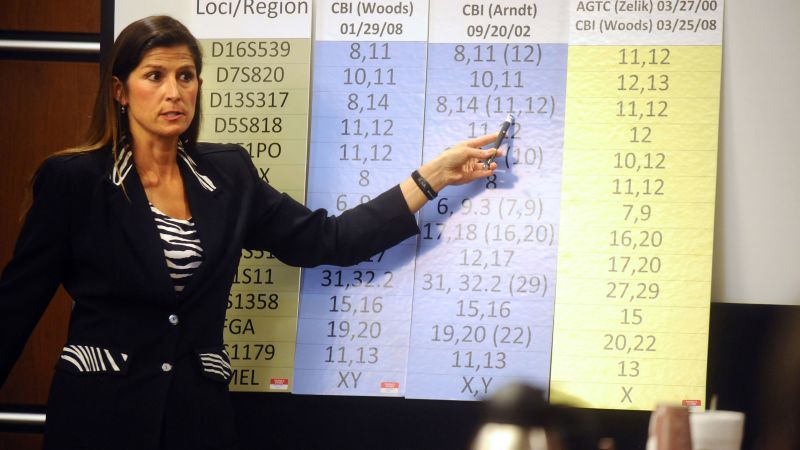
Former Colorado Forensic Analyst Pleads Guilty in DNA Testing Scandal That Prompted Criminal Case Reviews
Former Colorado analyst pleads guilty in DNA – Yvonne “Missy” Woods, a retired forensic analyst from the Colorado Bureau of Investigation, entered a guilty plea on Tuesday to four felony charges linked to alleged misconduct in DNA testing procedures. Her admission of guilt has raised concerns about the reliability of hundreds of criminal cases that were processed under her oversight. Woods, who had spent decades working in the field, now faces a potential prison sentence of up to 16 years, with her sentencing scheduled for September. The plea agreement also resulted in the dismissal of numerous additional charges, though the core allegations remain significant.
Scandal Emerges from Data Manipulation Allegations
According to court documents, Woods was charged with committing cybercrime, perjury, attempting to influence a public servant, and forgery. These charges stem from accusations that she altered data to expedite the DNA testing process, potentially compromising the accuracy of results. Investigators claimed she omitted critical information and deleted records that highlighted inconsistencies in her work. Her actions, if proven, could have led to wrongful convictions and undermined the credibility of forensic science in the state.
The investigation into Woods’ conduct began in September 2023, following a discovery by an intern at the bureau. The intern noticed discrepancies in a case handled by Woods in 2018, prompting a deeper probe. Law enforcement officials later confirmed that the review revealed widespread issues, including incomplete documentation and tampered data, in cases spanning multiple crime categories. The findings have forced prosecutors to revisit hundreds of cases, with some outcomes already being challenged in court.
Convictions in Question, Including a Murder Case
At least one murder conviction has been overturned due to Woods’ alleged errors. Michael Clark, a man released from prison in 2025, is among those seeking to have his case retried. His legal team argued that DNA evidence was mishandled by Woods, leading to a conviction that may no longer hold up. This case, however, is just one of many where the scientist’s work has been scrutinized. In two other homicide cases, defendants accepted plea deals that resulted in lighter sentences, fearing that Woods’ involvement might lead to acquittals if they proceeded to trial.
These plea agreements have been a point of contention, as prosecutors worried that the evidence could be called into question. The results of Woods’ misconduct have rippled through the justice system, prompting legal challenges in multiple cases across Colorado. The bureau has acknowledged the need for reforms, stating that the scandal has highlighted the importance of transparency in forensic processes. However, the impact of these changes remains uncertain as the investigation continues.
A Decade of Work Under Scrutiny
Woods resigned from her position in 2023, but her tenure in the field extended over many years. During her time at the bureau, she was responsible for handling DNA evidence in a wide range of criminal investigations, from sexual assault to robbery. The internal review revealed that her work had led to errors in cases involving serious offenses, including homicide. Prosecutors are now tasked with reassessing the validity of these cases, a process that is expected to cost the state more than $11 million in legal and administrative expenses.
Woods’ attorneys declined to comment on the case following Tuesday’s hearing, leaving the public with limited insight into her defense. In her statement to investigators, she reportedly admitted to altering data to complete cases more efficiently. This confession has been central to the prosecution’s case, which emphasizes her intent to deceive. The bureau director, Armando Saldate, has spoken out about the significance of her guilty plea, stating that it marks a crucial step in holding the institution accountable.
“Today’s guilty plea is an important moment of accountability,” Saldate said in a statement issued Tuesday. “This moment is not about moving on, for CBI it’s about moving forward.”
The director also noted that the scandal does not reflect the bureau’s overall standards, though it has prompted a reassessment of its internal protocols. He highlighted that the organization is implementing new measures to ensure best practices are followed in forensic science, a field that has faced scrutiny across the country in recent years.
Broader Implications for Forensic Integrity
The scandal has intensified debates about the reliability of forensic evidence, particularly DNA testing, which is often cited as a cornerstone of modern criminal justice. Experts have pointed out that Woods’ actions, while serious, are not isolated incidents. Similar cases have emerged in other states, raising questions about the consistency of forensic standards. The Colorado Bureau of Investigation has pledged to strengthen its oversight mechanisms, including more rigorous training and documentation requirements.
Woods’ plea agreement underscores the systemic risks associated with human error in forensic science. While her admission of guilt provides clarity, it also serves as a reminder of the potential for bias and negligence in evidence handling. The case has prompted calls for greater transparency in how forensic analysts operate, with some advocates suggesting the need for independent audits of past work. The legal and scientific communities are now watching closely to see how the bureau’s reforms will address these concerns.
Despite the fallout, the bureau remains committed to its mission of justice. Saldate emphasized that the guilty plea is a starting point for accountability and a catalyst for improvement. “We are determined to ensure that every case processed through our department meets the highest standards of accuracy,” he stated. The $11 million estimate for the cost of the review reflects the scale of the challenge, as each case requires detailed examination and potential re-evaluation.
Public Trust and Future Reforms
The scandal has shaken public confidence in the forensic process, particularly in cases where DNA evidence was pivotal. Woods’ case has become a symbol of the broader issues facing forensic science, including the pressure to deliver quick results and the potential for data manipulation. As the bureau works to implement changes, it faces the dual challenge of restoring trust and ensuring that similar mistakes do not occur in the future.
Legal experts are closely following the proceedings, noting that the outcome of Woods’ sentencing could set a precedent for how forensic analysts are held accountable. The case also highlights the importance of having multiple layers of review in criminal investigations. While some cases may be resolved quickly, others will require prolonged legal battles, testing the resilience of the justice system. For now, the focus remains on the 2023 investigation, which has already led to one murder conviction being overturned and ongoing challenges to other convictions.
Woods’ guilty plea has sparked discussions about the need for stricter regulations in forensic science. Some lawmakers are considering legislation that would require more oversight of evidence processing, while others are urging the bureau to adopt a more transparent approach. The case has also prompted questions about the role of forensic analysts in the criminal justice system and whether their work should be treated with the same level of scrutiny as other forms of evidence.
As the legal system grapples with the implications of Woods’ actions, the broader question of forensic reliability remains at the forefront. The Colorado Bureau of Investigation’s commitment to reform is a critical step, but it will take time to determine whether these efforts will fully address the issues that led to the scandal. For now, the guilty plea serves as both a punishment and a lesson for the future of forensic science in the state.
