
House Democrats’ anxiety rises after wins by Mamdani-backed candidates: ‘Are we going to let them take over the party?’
House Democrats’ Anxiety Grows as Mamdani-Backed Candidates Win Primaries
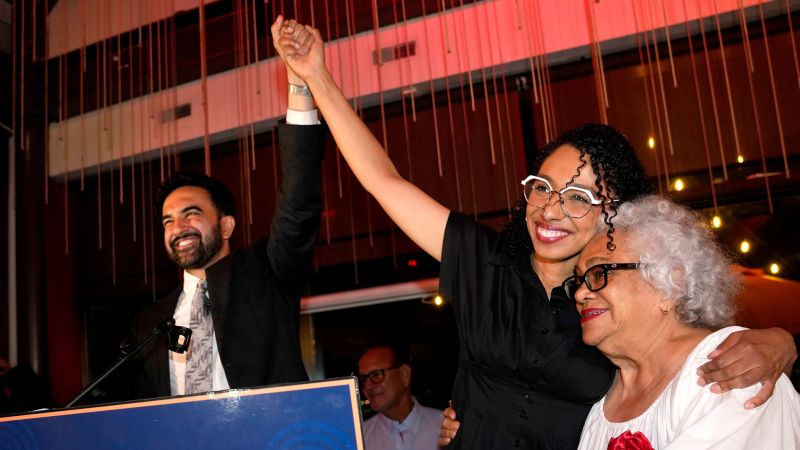
House Democrats anxiety rises after wins – House Democrats’ anxiety rises after Mamdani-backed candidates secured key primary victories, igniting debates about the party’s direction. Senior Democratic leaders, who had previously expressed confidence in the caucus’s unity, now face mounting pressure to address the shift in grassroots support. The emergence of a progressive faction, led by New York City Mayor Zohran Mamdani, has highlighted a growing divide within the party. With three critical races won by Mamdani-aligned candidates, including the ousting of longtime incumbents Adriano Espaillat and Dan Goldman, questions are mounting over whether the Democratic brand is evolving toward a more radical stance. This development signals a potential realignment in House politics, as the party grapples with balancing its traditional moderate base and its increasingly progressive wing.
Internal Divisions and Ideological Shifts
The primary results have exposed fractures in the Democratic base, particularly between moderates and progressive activists. Rep. Josh Gottheimer, a moderate from New Jersey, voiced concerns that the rise of the Democratic Socialists of America (DSA) could reshape the party’s identity. “The socialists had a major win last night,” he said, “but the real question is: Will we allow them to redefine the Democratic agenda, or will we hold the line?” Gottheimer’s remarks reflect a broader unease about the DSA’s influence, which he believes risks alienating moderate voters who may be wary of candidates pushing for sweeping institutional reforms, such as abolishing police departments and border systems.
“If you’re a socialist, you’re not a Democrat,” Gottheimer stated, underscoring fears that the DSA’s growing presence could fracture the party’s coalition. “The challenge now is to ensure we’re not losing our core appeal to the middle ground.”
Greg Meeks, a New York Democrat and ally of House Minority Leader Hakeem Jeffries, echoed similar worries. He criticized the internal discord, noting that the party’s focus on defeating Republicans and Donald Trump has been overshadowed by infighting. “It doesn’t make sense to me that we’re using our resources to fight each other instead of unifying against common threats,” Meeks said, citing the controversial posts from Darializa Avila Chevalier, the candidate who defeated Espaillat. These posts, which advocated for abolishing police, prisons, and borders, have become a flashpoint for tensions between traditional Democrats and the progressive movement.
Republican Opportunities and Strategic Challenges
The momentum from Mamdani’s support has raised alarms about how Republicans might exploit the situation. With House Democrats’ anxiety rising after the primary wins, conservative opponents are positioning themselves to capitalize on perceived vulnerabilities. The recent victories, which reflect a strong push for affordability-focused policies, have created openings for Republicans to target Democrats in swing districts. “They’re already positioning to attack us on issues we’re not fully unified about,” said an unnamed Democratic representative. “This could make it harder to rally voters in districts where we’re fighting for every seat.”
“What we saw last night was a clear demand for leaders who prioritize working-class interests,” said Zohran Mamdani in a post-election statement. “These victories are a testament to the power of progressive ideas in today’s political climate.”
Mamdani’s platform, emphasizing affordability and economic equity, has become central to the primary campaigns. However, his alignment with the DSA has also drawn scrutiny, particularly over his stance on U.S. military support for Israel. The three candidates who triumphed in Tuesday’s races ran on a platform centered around cost-of-living issues, which resonate with voters in key battlegrounds. Yet, their wins underscore a deeper ideological tension: while the party’s national strategy remains focused on economic policies, the primary races reveal a growing divide over how aggressively to challenge Israel’s policies.
Despite the House Democrats’ anxiety rising after the primary outcomes, some leaders remain optimistic. They argue that the grassroots movement represents a broader shift toward addressing voter concerns about inequality and corporate influence. “This is a chance to realign the party with the people’s priorities,” said one senior Democrat, highlighting the potential for a more inclusive platform. However, the challenge lies in maintaining cohesion while adapting to this new dynamic. The next step will be how the caucus navigates these internal debates and positions itself for the November midterms.
