
New polls show Americans’ complicated feelings about the country, 250 years on
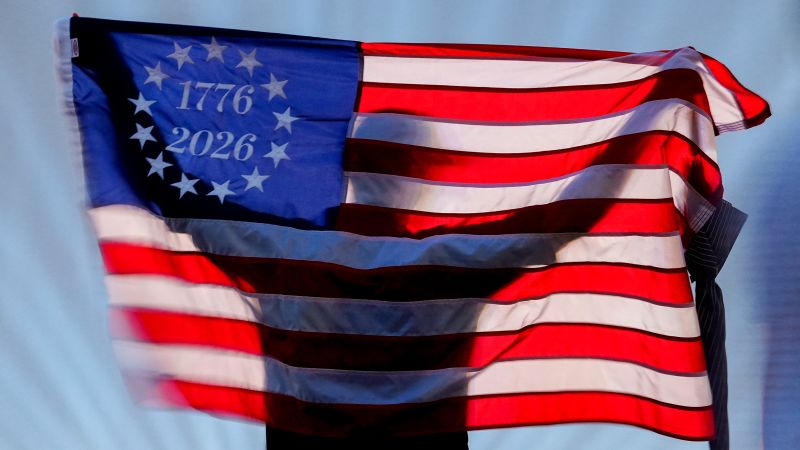
New polls show Americans’ complicated feelings on 250th anniversary
New polls show Americans complicated feelings – As the United States celebrates its 250th birthday, new polls reveal a complex mix of pride and concern among citizens. The findings suggest that while many Americans still cherish the nation’s founding ideals, there is growing doubt about its current direction. A recent Gallup survey highlights that over three-quarters of respondents believe the founders would be disheartened by today’s political climate, with just 19% expressing confidence that they would approve of the country’s evolution. This data paints a picture of public sentiment that is both nostalgic and critical, reflecting a deepening divide in how Americans view their nation’s legacy.
The survey underscores a shared sense of disillusionment across party lines, though Republicans remain slightly more optimistic than Democrats. Despite this, less than a quarter of voters from either party think the nation’s early architects would be pleased with its modern state. Gallup has tracked this sentiment since 1999, and the latest results mark the most pessimistic outlook in the series. The data aligns with a broader trend of public dissatisfaction, as many Americans grapple with issues like inequality, polarization, and the erosion of foundational values in contemporary society.
A New Era of Nostalgia and Doubt
Historians note that the 250th anniversary has amplified feelings of nostalgia for the country’s early days. The right to vote and freedom of speech, central to the American identity, are widely acknowledged as enduring principles. Yet, over half of respondents in an AP-NORC poll express concern that these freedoms are now under threat, particularly among Democrats who see them as increasingly fragile. This paradox—celebrating ideals while fearing their decline—captures the essence of the current mood, as new polls show Americans complicated views on their nation’s progress.
“Americans’ perspectives on the country today reflect a blend of pride and skepticism, with many feeling that the nation has strayed from its original vision. New polls show Americans complicated feelings about how far it has come and how much it still needs to grow,”
noted a political analyst in a separate study.
The historical context further reveals how Americans perceive their identity. A 1947 Gallup poll found that 13% of respondents listed the signing of the Declaration of Independence as their most desired historical experience, indicating a long-standing admiration for the nation’s birth. However, in recent times, the emotional landscape has shifted, with new polls show Americans complicated attitudes toward both past achievements and present challenges. This suggests that while the country’s foundational ideals remain revered, their practical realization is now questioned by a significant portion of the population.
Generational Divide in National Identity
Further insights into this trend come from Ipsos polling, which indicates that younger Americans are less likely to identify strongly with national identity. While half of US adults still view being American as a core part of their self-conception, this number drops significantly among those under 45, who often prioritize personal or cultural affiliations over collective heritage. New polls show Americans complicated views on what it means to belong, as the country evolves and the younger generation reshapes its understanding of patriotism and progress.
Despite these generational differences, there is a consensus that the nation’s strengths and weaknesses should be acknowledged. The same Ipsos survey found that 58% of respondents believe discussing both the country’s achievements and flaws is essential to its future. This duality is emblematic of the broader sentiment captured in new polls show Americans complicated feelings, highlighting a society that honors its past while questioning its path forward. As the nation reflects on its 250-year journey, the emotional balance between pride and uncertainty continues to define public discourse.
