
India’s viral youth movement has moved from memes to the streets. Their leader tells CNN why
India’s Youth Movement Shifts from Viral Memes to Street Protests
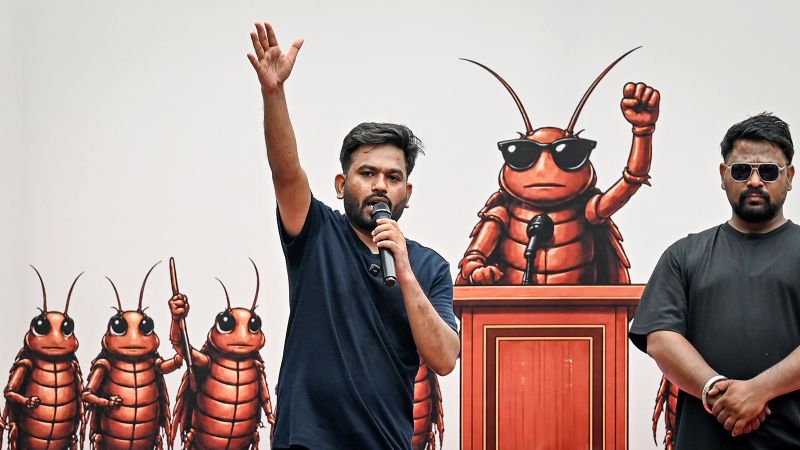
India s viral youth movement has moved – What began as an internet meme has transformed into a physical demonstration in the heart of India’s capital. Abhijeet Dipke, the 30-year-old founder of the satirical Cockroach Janta Party, has been stationed at New Delhi’s central protest site since Saturday, rallying a growing crowd demanding accountability from the education ministry. The protesters, determined to keep the pressure on, have vowed to stay until Dharmendra Pradhan, the nation’s education minister, steps down over a scandal-ridden national exam system. “We are committed to this movement, no matter how long it takes,” Dipke emphasized during an interview with CNN, as hundreds of supporters gathered around him, echoing his resolve.
Dipke, a graduate of Boston University, arrived in India this month to lead a wave of anger among Gen Z students. Their frustration, fueled by years of exam leaks, stagnant youth unemployment, and dwindling opportunities, has now turned into a grassroots campaign. The protests mark a shift from digital activism to real-world action, with young people taking to the streets to demand systemic change. “The system has failed them, and we’re here to make sure it doesn’t fail anymore,” Dipke stated, underscoring the movement’s urgency.
From Mockery to Movement
The Cockroach Janta Party, a play on the ruling Bharatiya Janata Party, was born out of a comment by India’s chief justice that likened unemployed youth to “cockroaches.” Dipke, leveraging this metaphor, has transformed it into a symbol of resistance. The party’s presence in New Delhi has grown rapidly, with thousands converging on the Jantar Mantar monument to voice their demands. This week’s rally, the latest in a series, has drawn attention to the minister’s role in a system plagued by corruption and technical failures.
As the protests gained momentum, participants began incorporating creative symbols into their demonstrations. Daily gatherings at the protest site have featured items like traditional steel platters and spoons, echoing Prime Minister Modi’s call for people to “rattle utensils” during the pandemic. On Tuesday, a new twist emerged when protesters were encouraged to bring diapers, writing demands for Pradhan’s resignation on them. “It’s a satirical gesture to highlight the government’s inability to prevent leaks,” Dipke explained, adding that the choice of diapers was both practical and symbolic.
“There isn’t a single government exam in India that hasn’t been compromised,” Dipke said, pointing to the recent scandal involving a major medical entrance exam. “So why not use a diaper to stop the leaks? It’s a way to make the problem visible.”
The exam system, a cornerstone of India’s education landscape, has long been a source of stress for students and families alike. Millions compete annually for a limited number of university placements, with minuscule differences in scores determining futures. This high-stakes environment has led to widespread disillusionment, as students grapple with the pressure of an unyielding system. The recent cancellation of over two million students’ results after alleged paper leaks has intensified the backlash, with many citing the system’s failures as a catalyst for despair.
In the wake of these events, several students have reportedly taken their own lives, a tragedy that Dipke and his followers have sought to commemorate. This week, they lit candles in memory of those who lost their lives to the burden of exams. “We wanted to honor the students who were crushed by the system,” Dipke said, highlighting the emotional weight behind the movement. The act of candlelight, paired with the daily symbolic props, reflects a blend of protest and solidarity among participants.
Government Response and Escalation
The education ministry, under fire for its handling of the exam crisis, has taken defensive measures. Authorities tightened security around venues for the re-sit of the medical entrance exam, even deploying military aircraft to transport test papers. Yet, the backlash against the ministry shows no sign of waning. Dipke’s group has been joined by thousands in cities across India, each iteration of the protest adding new layers to the narrative.
Dipke’s comments have drawn sharp criticism from the minister himself, who labeled the Cockroach Janta Party as the “B-team of terror groups” during a recent appearance on NDTV. “Instead of acknowledging the moral responsibility, he’s trying to paint us as extremists,” Dipke responded, dismissing the remark as dismissive. The minister’s characterization contrasts with the party’s focus on justice for students, particularly those affected by the system’s flaws.
“This isn’t about politics—it’s about survival for the next generation,” Dipke argued, as he stood amidst the crowd. “If the system can’t deliver, then it’s time for a change.”
The protests have also become a platform for broader social critique, with demonstrators carrying the Indian flag and copies of the constitution. These gestures emphasize both national pride and a call for constitutional reforms. The combination of traditional symbols and modern tactics underscores the movement’s adaptability and reach. From the digital realm to the physical streets, the Cockroach Janta Party has managed to unify a diverse group of activists under a common cause.
As the movement continues to grow, Dipke remains at the forefront, inspiring others with his unwavering commitment. The protest site in New Delhi has become a hub of activity, with volunteers ensuring the camp stays operational. This persistence reflects the deepening resolve of the youth, who see the exam system as a microcosm of larger societal issues. The pressure on the education minister is mounting, and the demand for his resignation is gaining traction across the country.
India’s youth, once content with memes and online critiques, are now demanding tangible results. Their actions have sparked a national conversation about the future of education and the role of government in supporting young people. The Cockroach Janta Party’s journey from a satirical joke to a formidable protest force highlights the power of grassroots movements in shaping policy. As Dipke and his supporters continue their campaign, the question remains: how long will the system hold before it is forced to change?
With each day that passes, the movement gains momentum. The symbolic props, the chants, and the candles all serve as reminders of the stakes involved. For Dipke, the goal is clear: to ensure that the education ministry is held accountable for its failures. “We are not just here for the headlines,” he said, “we are here for justice.” As the protests evolve, they may yet redefine the political landscape of India, proving that the youth’s voice is louder than ever.
