
Minnesota man accused in a $250M fraud scheme taken into custody in Somalia
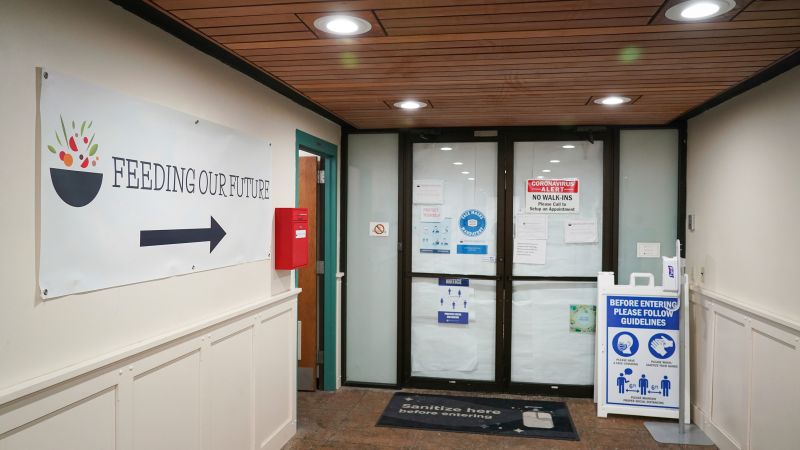
Minnesota Man Arrested in $250 Million Fraud Scheme in Somalia
Minnesota man accused in a 250M – On Thursday, authorities announced the arrest of Abdikerm Abdelahi Eidleh, a 42-year-old resident of Burnsville, Minnesota, in connection with a sprawling $250 million fraud operation. U.S. Attorney Daniel Rosen disclosed the news in a press release, stating that Eidleh had been apprehended in Mogadishu, Somalia. This marks a significant development in a case that has already drawn attention for its scale and the complex network of deceit involved.
Indictment Details and Legal Charges
Eidleh is among several dozen individuals indicted in 2022 for their roles in a fraudulent scheme targeting a federal child nutrition program. The indictment alleges that he played a pivotal part in orchestrating a systematic effort to siphon millions from the program while disguising the funds as legitimate expenses. Court documents reveal that prosecutors have accused him of creating elaborate falsehoods to mislead authorities and beneficiaries alike. These charges include 31 counts of conspiracy to commit wire fraud, wire fraud itself, conspiracy to commit federal program bribery, federal program bribery, and money laundering. The severity of these allegations underscores the breadth of his alleged involvement in the scheme.
According to federal records, Eidleh was employed by Feeding Our Future, an organization that purported to distribute millions of meals to children during the pandemic. The group claimed to operate under a federal initiative designed to support food-insecure families. However, investigators found that only a fraction of the allocated funds reached the intended recipients. The rest were funneled through shell companies and used for personal gain, such as luxury vehicles, real estate, and extravagant travel. This discrepancy between claimed services and actual expenditures forms the core of the prosecution’s case.
Fraudulent Tactics and Impact on Vulnerable Populations
Prosecutors detailed how Eidleh fabricated websites and false narratives to portray the organization as a model of efficiency and generosity. These digital fronts were used to exaggerate the number of meals provided daily, misleading both donors and oversight agencies. Additionally, he allegedly established shell companies that masqueraded as meal vendors, allowing the fraud to continue unnoticed for an extended period. The scheme’s sophistication highlights the challenges of detecting financial misconduct in public programs.
The indictment emphasizes the human cost of Eidleh’s actions. By diverting federal funds, he deprived thousands of children of essential nourishment during a time of heightened need. Assistant Attorney General Colin M. McDonald of the Department of Justice’s National Fraud Enforcement Division described Eidleh as a central figure in one of the most extensive fraud cases in Minnesota’s history. “He not only stole taxpayer dollars but also robbed vulnerable children of critical resources they desperately needed,” McDonald stated in a
blockquote
. “Rather than answer for his crimes in the United States, he fled to Somalia in a futile attempt to evade justice.”
Eidleh’s decision to flee the U.S. has raised questions about his intent to escape legal consequences. While the exact timeline of his departure remains unclear, his presence in Somalia suggests a deliberate effort to distance himself from the investigation. However, the arrest demonstrates that international cooperation can bring even those who attempt to flee justice to account. Legal documents indicate that Eidleh has not yet been assigned a defense attorney, leaving the specifics of his plea to be determined in the coming weeks.
Broader Implications and Political Context
The case has drawn attention not only for its financial magnitude but also for its political ramifications. President Donald Trump cited the fraud as an example of the systemic issues he aimed to address through a sweeping immigration crackdown in Minnesota. The administration argued that such schemes necessitate stricter measures to ensure that federal resources are used efficiently and that those who misuse them are held accountable.
Eidleh’s arrest in Somalia underscores the growing interconnectedness of financial crimes across borders. While the U.S. justice system has focused on domestic accountability, the fact that he was apprehended in a foreign country highlights the role of international partnerships in combating fraud. Law enforcement officials have emphasized that the case is a testament to the effectiveness of global collaboration in tracking down offenders who seek refuge abroad.
Investigations into the fraud scheme have revealed a web of financial manipulation that spanned multiple jurisdictions. The shell companies, which were allegedly controlled by Eidleh, served as conduits for laundering funds. By structuring transactions through these entities, the perpetrators could obscure the trail of misappropriated money, making it difficult for auditors to trace the illicit activity. The complexity of the case has led to ongoing scrutiny of the federal meals program’s oversight mechanisms.
Public Reaction and Future of the Case
Local and national stakeholders have expressed concern over the scale of the fraud and its implications for public trust. The federal meals program, which supports millions of children annually, is now under increased scrutiny as investigators work to uncover all details of the scheme. Eidleh’s arrest has provided a sense of closure, but questions remain about the broader network of individuals involved and the potential for additional charges.
As the legal proceedings unfold, the case will likely serve as a benchmark for similar fraud investigations. Prosecutors have already highlighted the importance of Eidleh’s role in the conspiracy, but the full extent of his actions and those of his accomplices will be revealed through further evidence. The defense may argue that Eidleh’s actions were part of a larger organizational effort, while prosecutors will emphasize the individual responsibility he bears for the financial harm caused.
With the arrest of Eidleh, the focus now shifts to the next steps in the legal process. His indictment sets the stage for a potential trial, where the facts of the case will be presented in detail. The outcome could influence how future fraud cases are prosecuted, particularly those involving international elements. Meanwhile, the public continues to demand transparency and accountability, hoping that this case will lead to broader reforms in the way federal funds are managed and monitored.
In summary, Eidleh’s apprehension in Somalia represents a major victory for authorities in the fight against financial fraud. The $250 million scheme, which exploited a critical federal program, has exposed vulnerabilities in oversight and highlighted the need for stricter measures to prevent similar incidents. As the legal battle progresses, the case will remain a focal point for discussions on accountability, international cooperation, and the protection of public resources.
