
Medicare will start covering weight-loss drugs on July 1 for the first time. Here’s what you need to know
Medicare Introduces First-Ever Weight-Loss Drug Coverage Starting July 1
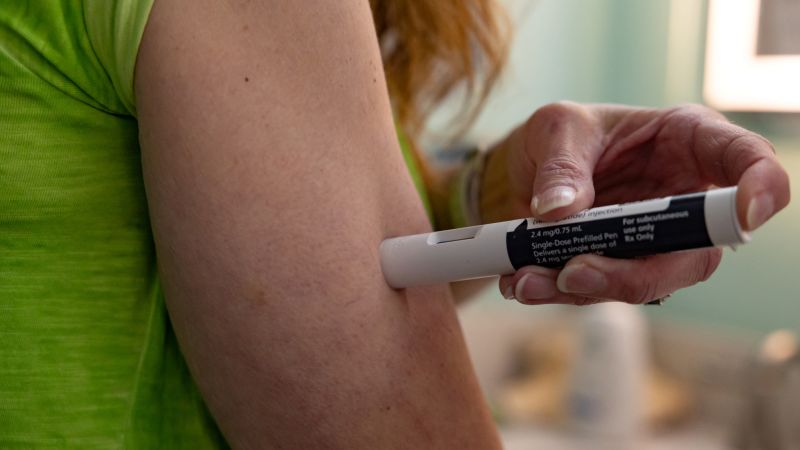
Medicare will start covering weight loss – Starting on July 1, Medicare will introduce a groundbreaking pilot program to cover weight-loss medications for the first time in its history. This initiative, dubbed the Medicare GLP-1 Bridge, aims to provide millions of enrollees with access to drugs like Wegovy and Zepbound, which have shown significant efficacy in managing obesity. For many seniors, this change could mark a turning point in their health journeys, offering relief from conditions linked to excess weight and making medication more affordable.
Real-Life Impact: A Couple’s Journey to Better Health
For Mary Abrahamson, a 71-year-old resident of rural Washington, the new coverage represents more than just a medical breakthrough—it’s a lifeline. Struggling with weight that made daily activities like walking her dogs and tending her garden increasingly difficult, Abrahamson has relied on a compounded version of the GLP-1 drug tirzepatide for two years. Initially costing $400 a month, the compounded option later dropped to $200, a small but meaningful savings. Her husband, Jeff, 77, joined her in using the medication this year, and both have noticed improvements in their energy levels and overall health.
Abrahamson’s experience highlights the challenges faced by seniors without insurance coverage for weight-loss drugs. Before the pilot program, she could barely afford the $1,000 monthly price tags of Wegovy and Zepbound. Now, the possibility of accessing these medications at a reduced rate through the Bridge program has her envisioning a future where she can afford a new riding lawn mower, upgrade her home’s water system, or even take a dream vacation to Belize—where she’s already chosen a resort.
“With this weight loss, I feel 10 years younger,” Abrahamson said. “It changed my life for the better. I don’t want to give it up.”
The Abrahamsons are not alone in their hopes. Their story reflects a broader trend of seniors who have long struggled with obesity-related health issues but lacked financial support for treatment. For many, the burden of paying hundreds of dollars monthly for GLP-1 drugs has been unsustainable, especially with limited income sources like Social Security and small pensions.
Eligibility Criteria: Who Qualifies for the Bridge Program?
The Medicare GLP-1 Bridge program has specific guidelines to determine who can benefit. Enrollees must be part of a Part D drug plan and meet certain health conditions when they began using GLP-1 medications, even if their treatment started before the program launched. The criteria vary based on body mass index (BMI) levels:
Those with a BMI of 35 or higher automatically qualify. For individuals with a BMI between 30 and 35, additional factors must be present, such as uncontrolled high blood pressure, prediabetes, or a history of heart attack or stroke. Patients with a BMI between 27 and 30 must also have at least one of these conditions: prediabetes, a prior heart attack or stroke, or blocked arteries in their arms or legs with symptoms.
However, not everyone is eligible. Seniors who already receive GLP-1 medications through their Part D plan or have type 2 diabetes, moderate to severe sleep apnea, or fatty liver disease are excluded. These conditions might qualify them for alternative coverage under Part D, so the Bridge program focuses on those who haven’t had access to such treatments before.
Background and Rationale for the Pilot Program
Medicare has historically excluded weight-loss drugs from its standard coverage, but the new Bridge program is a temporary demonstration project. This shift comes from a deal announced by the Trump administration in November 2025, which included agreements with pharmaceutical companies Eli Lilly and Novo Nordisk. The initiative aims to test new payment models and reduce the cost of GLP-1 medications, which have become blockbuster drugs for obesity management.
Dr. Catherine Varney, an obesity medicine director at the University of Virginia and a trustee of the Obesity Medicine Association, has observed the urgent need for such coverage. She notes that many of her patients, who meet the Bridge program’s criteria, have been unable to afford the medications. “Most of these patients that I wanted to start on this medication are ticking time bombs,” Varney explained. “They’ve got prediabetes, high blood pressure, high cholesterol—cardiac risk factors that could lead to heart attack or stroke.”
“They’ve got prediabetes, high blood pressure, high cholesterol, all these cardiac risk factors that are leading to heart attack and stroke,” Varney said.
Patients who qualify for the Bridge program often face a combination of health complications and financial strain. For example, Abrahamson’s weight loss has not only improved her physical mobility but also alleviated her sleep apnea and other ailments. Such outcomes underscore the potential of GLP-1 drugs to transform lives, provided they are accessible at a manageable cost.
Advocacy and Public Health Implications
Doctors and patient advocates have long argued that obesity should be treated as a medical condition, much like diabetes or hypertension. This perspective has gained traction as the cost of GLP-1 medications without insurance has soared, often exceeding $1,000 per month. Patty Nece, a former chair of the Obesity Action Coalition—a U.S. advocacy group with nearly 100,000 members—emphasizes that the pilot program addresses more than just affordability.
“A lot of it is about acknowledgment that their disease should be treated like any other disease and essentially have coverage for the medications without outrageous copays,” Nece told CNN.
Nece’s statement reflects a broader sentiment among healthcare professionals and patients. The Bridge program could serve as a model for future coverage expansions, offering a way to reduce out-of-pocket expenses while improving health outcomes. For seniors like the Abrahamsons, this means a chance to live more independently and reduce the risk of obesity-related complications.
What to Expect from the Medicare GLP-1 Bridge Program
The pilot program’s success will depend on how well it balances cost savings with clinical effectiveness. Medicare officials are closely monitoring enrollment numbers and patient feedback to evaluate its impact. For now, the focus is on making GLP-1 drugs more accessible to those who need them most, while keeping the program temporary.
As the Bridge program begins, healthcare providers are encouraged to educate patients about eligibility and the benefits of these medications. With the potential to lower costs and improve health, the program represents a critical step toward addressing the growing obesity crisis among seniors. For the Abrahamsons, it’s already making a difference—and they’re eager to see how it unfolds for others in the same boat.
While the pilot program is a significant milestone, its long-term success will require ongoing assessment. Experts warn that the program’s limited scope may not fully resolve the financial barriers for all seniors, but it’s a start. By covering GLP-1 drugs for a select group, Medicare is setting the stage for broader changes that could reshape how chronic conditions like obesity are managed in the United States.
The Bridge program also highlights the role of pharmaceutical companies in shaping healthcare policy. The Trump administration’s agreement with Eli Lilly and Novo Nordisk aims to create a sustainable model for drug pricing, potentially benefiting not only Medicare beneficiaries but also other patients facing high costs. As the program rolls out, its influence on the healthcare landscape will be closely watched, with hopes that it paves the way for more comprehensive coverage in the future.
For now, the Abrahamsons’ story serves as a testament to the potential of this initiative. If the pilot program proves effective, it could inspire similar efforts across the country, ensuring that more seniors have the tools to combat obesity and its associated health risks. With the first day of coverage just around the corner, the focus is on making these medications available to those who need them most—and improving lives in the process.
