
Takeaways from the Supreme Court’s decisions expanding Trump’s firing power but preserving Fed for now
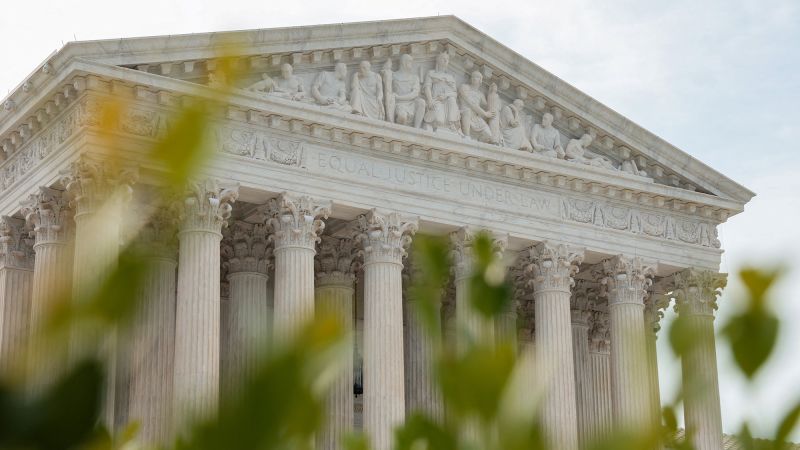
Supreme Court Grants Trump Expanded Firing Authority Over Federal Agencies
Takeaways from the Supreme Court s decisions – In a landmark ruling, the Supreme Court delivered two pivotal decisions Monday that reshaped the balance of power between the executive branch and federal agencies. The first decision, which sparked intense debate, enabled President Donald Trump to unilaterally remove leaders of independent federal agencies without needing to demonstrate cause such as misconduct or malfeasance. This overturned a 1935 legal precedent, Humphrey’s Executor v. US, that had long shielded agency heads from arbitrary dismissal. The ruling signals a potential reordering of how the federal government operates, granting the president sweeping authority to control agency leadership.
Trump’s Power to Dismiss Agency Heads Unchecked
The court’s 6-3 decision, split along conservative-liberal lines, centered on the Federal Trade Commission (FTC). President Trump had fired FTC Chair Rebecca Kelly Slaughter in 2024, arguing that the commission’s leadership should be subject to his direct control. The justices agreed, with Chief Justice John Roberts leading the majority. Roberts emphasized that the president’s ability to remove subordinates is essential for accountability, stating, “Subordinates who exercise the president’s power are subject to removal by him. Then, and only then, can they remain accountable to the president, and the president to the people.”
This decision eliminates the requirement for presidents to justify removals of agency heads, effectively allowing them to act on personal or political grounds. Critics argue this undermines the independence of regulatory bodies, which were designed to operate without direct executive interference. The ruling, however, is framed by the court as a necessary adjustment to ensure presidential authority aligns with constitutional principles of separation of powers.
Preservation of Federal Reserve Members Amid Contested Allegations
While Trump gained power in one area, the court preserved the independence of the Federal Reserve in another. In a separate 6-3 ruling, the justices blocked Trump’s attempt to remove Fed Governor Lisa Cook over allegations of mortgage fraud. Cook had been accused of falsely claiming two primary residences in 2021, a claim Trump used to justify her dismissal. However, the court found the evidence insufficient to override the Fed’s autonomy, ensuring its members remain insulated from executive pressure.
The decision highlights a key distinction between the two cases. While the FTC’s leaders were deemed subordinate to the president, the Federal Reserve’s structure and role in the economy were deemed special enough to warrant continued protection. This outcome has been seen as a strategic compromise, allowing the court to address Trump’s challenges without fully dismantling the Fed’s independence.
Trump’s Personal Defeat in Sexual Abuse Case
On the same day, the Supreme Court rejected Trump’s appeal in a sexual abuse case against E. Jean Carroll, a former columnist for *Vogue*. The ruling allows Carroll to collect $5 million in damages, marking a personal loss for the former president. Trump had argued that the allegations of sexual assault and defamation were not enough to justify his removal from office, but the court’s decision to uphold the verdict underscores the limits of his legal defenses.
Carroll’s case, which originated in 2022, centers on Trump’s claim that he sexually harassed her during a 2019 encounter. The court’s rejection of his appeal means the ruling stands as a major setback in his ongoing legal battles. This decision also serves as a reminder of the potential for presidents to face personal liability for actions taken during their tenure.
Mail-In Ballots and Trump’s Electoral Strategy
Adding to the day’s developments, the court ruled that states may count mail-in ballots that arrive after Election Day, a decision that aligns with Trump’s efforts to limit mail voting. The ruling, which came in a separate case, allows states to maintain their own procedures for accepting ballots, potentially reducing the impact of restrictions on voting access. This move comes as Trump continues to push for voter ID laws and other measures aimed at tightening election rules.
While the decision supports mail-in voting, it also reflects the court’s broader role in shaping electoral policies. The ruling is seen as a counterbalance to Trump’s attempts to undermine the process, ensuring that states retain flexibility in administering elections. However, the decision does not resolve all disputes, as the debate over mail voting remains a key issue in the political landscape.
Contrasting Outcomes and Legal Implications
The contrasting rulings on Trump’s firing power and the Federal Reserve reveal the court’s internal divisions. In the FTC case, the majority opinion was straightforward, dismissing the need for cause in presidential dismissals. But in the Fed case, the court hesitated, acknowledging the unique role of the central bank while still upholding its independence. This nuanced approach suggests the justices recognized the importance of preserving certain institutions even as they expanded executive authority elsewhere.
Sonia Sotomayor, the court’s senior liberal justice, delivered a scathing dissent in the FTC case. She warned that the ruling could lead to “only chaos” in the federal government, arguing that it weakens checks and balances. “Humphrey’s Executor has been a cornerstone of agency independence for decades, and its overruling leaves a vacuum in accountability,” she stated. Sotomayor’s dissent also highlighted the broader implications of the decision, emphasizing the risk of executive overreach.
The ruling’s impact is expected to be felt across multiple agencies, including the FTC, the Consumer Financial Protection Bureau, and others. By allowing presidents to fire agency leaders without cause, the decision may embolden future administrations to act decisively against perceived critics. However, the court’s protection of the Federal Reserve indicates a recognition of the special role these institutions play in economic stability.
Legacy of Humphrey’s Executor and the Court’s Shift
Chief Justice Roberts’ majority opinion in the FTC case was particularly pointed, suggesting the court was eager to move beyond the legacy of Humphrey’s Executor. The 1935 precedent, which allowed Congress to impose restrictions on presidential removals of agency heads, was described as “a result in search of a rationale” by Roberts. This critique implies the court views the old standard as outdated, paving the way for a more flexible approach to executive power.
The shift from Humphrey’s Executor to a broader interpretation of presidential authority marks a significant change in the legal landscape. While the decision allows for greater control over agency leadership, it also raises questions about the future of regulatory independence. Critics argue that the ruling could weaken oversight mechanisms, potentially leading to a concentration of power in the executive branch.
Justice Samuel Alito’s reaction to Sotomayor’s dissent further underscores the court’s internal tensions. Alito, known for his conservative views, reportedly expressed frustration with Sotomayor’s criticism, highlighting the ideological rift that shapes the court’s decisions. This dynamic illustrates the challenges of maintaining consensus in a divided institution, as justices navigate the balance between executive authority and institutional safeguards.
As the implications of these rulings unfold, they will likely influence the administration of future presidents and the structure of federal governance. The decisions not only reshape the legal framework for removing agency leaders but also signal a potential shift toward a more presidential-centric approach to policymaking. For now, the Federal Reserve remains a bulwark against this trend, but the door has been opened for further executive expansion in other areas.
Broader Context and Political Repercussions
The rulings come at a critical moment in Trump’s second term, reflecting the ongoing legal battles that have defined his presidency. The decisions are part of a larger trend of the court empowering the executive branch while curbing the influence of Congress and independent agencies. This aligns with the broader conservative agenda to centralize power and reduce institutional constraints on presidential actions.
For the FTC and other agencies, the ruling means that their leaders may now be subject to removal at the president’s discretion, regardless of their performance or tenure. This could lead to more frequent leadership changes and a potential erosion of the agencies’ independence. Meanwhile, the preservation of the Federal Reserve’s autonomy suggests the court is willing to grant exceptions when the stakes are high.
These decisions also have a personal dimension for Trump, as they mark his first major loss in a series of legal challenges. While the court upheld his ability to fire agency leaders, it denied him the opportunity to resolve the sexual abuse case, which has become a symbol of his broader efforts to deflect accountability. The $5 million verdict for Carroll adds to the growing financial and reputational costs of Trump’s legal battles.
As the nation grapples with the implications of these rulings, the balance of power between the branches of government will continue to be a focal point of political discourse. The Supreme Court’s decisions Monday not only redefine the boundaries of presidential authority but also set the stage for future conflicts over governance, accountability, and the role of independent agencies in shaping policy.
