
New US-Iran clashes revealed fragility of truce — and why it may work
New US-Iran Clashes Reveal Truce’s Fragility and Strategic Calculus
New US Iran clashes revealed fragility – The recent escalation of hostilities between the United States and Iran has cast doubt on the durability of a tentative agreement to halt further conflict, highlighting the precarious nature of their truce. This pause, while a critical step toward ending the war, also exposed underlying tensions and mutual strategic interests. The clashes around the Strait of Hormuz and the Persian Gulf, which spanned several days, served as a test of the agreement’s limits and a prelude to broader negotiations on key issues, including Iran’s nuclear ambitions.
Clashes and the Memorandum of Understanding
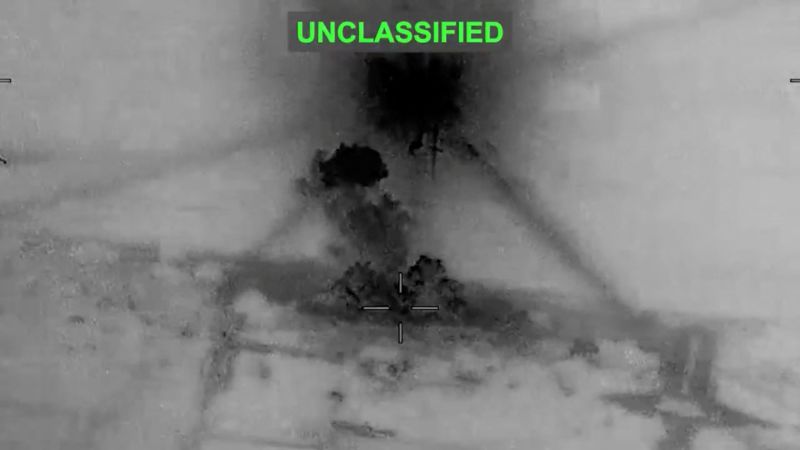
The conflict, though paused, continued to reflect the competitive dynamics between the two nations. Iranian attacks on merchant vessels, followed by U.S. retaliatory strikes and subsequent missile assaults on U.S. military installations and Gulf allies, risked spiraling into a wider war. These actions not only threatened global oil supply routes but also challenged the terms of the memorandum of understanding signed by both sides. The document, while promising the restoration of free navigation through the strait, left room for interpretation regarding Iran’s potential to monetize maritime traffic in the future.
“Stand down for now,” said a Trump administration official, confirming that the two sides had agreed to a meeting in Qatar to discuss the truce. The statement came as Iran remained silent, suggesting a cautious approach to the negotiations.
The agreement, however, was not without its risks. Iran sought to assert its dominance over the strait, a vital artery for global trade, while the U.S. aimed to prevent Tehran from gaining unilateral control. This tension underscored the geopolitical stakes: for Iran, the strait represented a new source of leverage, and for the United States, its continued presence in the region was a symbol of power.
Strategic Maneuvers and Political Pressure
Iran’s missile strikes on Gulf states and U.S. assets were interpreted as attempts to redefine the postwar regional order. By demonstrating its ability to disrupt shipping lanes, Tehran aimed to project strength and pressure the U.S. into concessions. Meanwhile, the actions appeared to target President Donald Trump personally, testing his resolve amid his efforts to solidify a narrative of triumph following the agreement.
“If Iran continues violating the ceasefire, it will no longer exist,” Trump declared on Sunday, signaling his readiness to escalate. Yet, his supporters’ perception of this warning as a success may be misplaced. During the war, Iranians had grown accustomed to Trump’s hyperbolic rhetoric, viewing it as less binding than the actual consequences of his policies. This disconnect suggests that the truce, while stabilizing for now, may not be a permanent solution.
Concessions and Economic Implications
Behind the surface of the truce, there was a clear strategic calculation. The U.S. has already begun waiving some sanctions pending a final agreement, and Iran has resumed shipping its oil, signaling a shift toward economic recovery. These moves have helped ease global oil prices, which saw a notable drop after the disruption. The reduction in costs, with average U.S. gasoline prices falling to $3.87 a gallon, has been a relief for consumers and a potential boost to Trump’s political standing ahead of the midterm elections.
Despite these economic benefits, the truce remains fragile. The U.S. cannot afford to let Iran dictate terms over the strait, as doing so would imply a defeat in the war it initiated. The Islamic Republic’s ability to control oil flow through the region could be used as a tool to exert political pressure on Washington, a threat that has grown more tangible as Trump’s popularity wanes due to the affordability crisis.
The Balance of Power and Future Uncertainties
Secretary of State Marco Rubio’s recent visit to the Gulf underscored the U.S. commitment to unrestricted navigation through the strait. His efforts, alongside allies, were aimed at ensuring the waterway remained a conduit for unimpeded commerce. However, the escalating clashes revealed that Iran was not content with this arrangement, seeking to reshape the deal to its advantage.
The cycle of provocation and retaliation has been a dangerous game, with both sides calculating risks and rewards. While the truce has prevented a full-scale war, it has also exposed the volatility of Trump’s leadership. His tendency to issue bold threats and then retreat from them has left Iran questioning the consistency of U.S. policy. Yet, this unpredictability may be a strength rather than a weakness, as it allows Washington to pivot quickly in response to changing circumstances.
Iran’s strategic gains from the truce are significant. By resuming oil exports, the country is addressing its economic challenges while asserting its influence in the region. The U.S., in turn, has avoided the temptation to escalate further, recognizing that a prolonged conflict could harm its global reputation and economic interests. This mutual accommodation suggests a pragmatic approach, even if it comes with its own set of uncertainties.
As the situation evolves, the truce’s success will depend on the ability of both nations to balance their competing objectives. The Strait of Hormuz remains a focal point, with each side vying to shape its future. While the agreement has prevented immediate catastrophe, it has also set the stage for renewed tensions. The coming months will reveal whether this fragile truce can hold or if the cycle of conflict will resume, driven by the same forces that led to its creation.
Ultimately, the latest clashes serve as a reminder of the delicate equilibrium between the U.S. and Iran. The truce is not a definitive end to hostilities but a temporary pause, allowing both sides to recalibrate. Trump’s inconsistent approach, though a potential weakness, also provides flexibility. Whether this will lead to lasting peace or another round of confrontation depends on the willingness of both nations to uphold their commitments—and the extent to which they can manage the geopolitical stakes of the strait.
