
Speaker Johnson sends bipartisan housing bill to White House — but Trump says it’s a ‘yawn’
Speaker Johnson Sends Bipartisan Housing Bill to White House — But Trump Calls It a ‘Yawn’
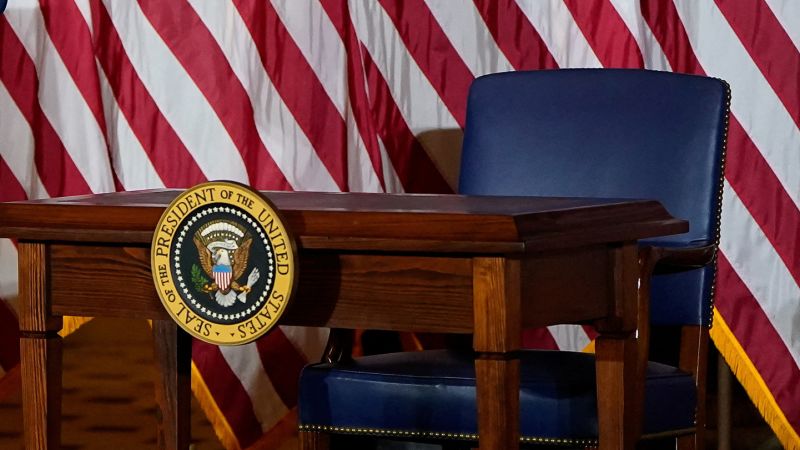
Speaker Johnson sends bipartisan housing bill – On Monday, President Donald Trump appeared uncertain about signing a bipartisan housing bill, stating shortly after House Speaker Mike Johnson transmitted it to the White House that the legislation was “so unimportant” compared to his push for a controversial overhaul of federal elections. “Big deal,” Trump remarked with sarcasm, “it’s a yawn.” This reaction highlights the tension between the executive branch and Congress as the nation grapples with rising housing costs and political maneuvering ahead of the November midterms.
The 10-Day Countdown and Congressional Concerns
Speaker Mike Johnson, a Louisiana Republican, officially sent the housing affordability bill to the White House on Monday, according to a spokesperson. The move initiated a 10-day window in which the bill could still become law without the president’s signature. While Trump has not confirmed his stance, a source close to the matter indicated he is unlikely to approve the measure, though they added that “he could always have a change of heart.” The source also noted that Trump would not veto the bill, allowing it to pass automatically if no action is taken within the deadline.
Johnson’s decision to forward the bill to the White House came after a prolonged standoff with Trump over the timing of its signing. Last week, the president had abruptly canceled a planned ceremony for the housing legislation, insisting he would not sign it until the Senate advanced his federal elections overhaul, the “SAVE America Act.” This delay has frustrated congressional Republicans, who view the housing bill as a critical component of their affordability agenda. As the midterms approach, several vulnerable GOP members have already begun campaigning on its passage, emphasizing its potential to ease the burden on struggling families.
Trump’s Criticism and the Bipartisan Dilemma
Trump’s dismissal of the housing bill has sparked debate among lawmakers. In a Monday statement, he argued that the legislation’s bipartisan nature — meaning Democrats had endorsed it — was a sign of its weakness. “It’s very bipartisan — that means the Democrats like it,” he said, suggesting that the bill included provisions he would not typically support. This sentiment underscores Trump’s broader strategy of linking legislative priorities to his own agenda, even when they are not directly related.
“Btw, it’s irresponsible to postpone signing the Housing bill due to the SAVE Act. We need to start delivering relief to people for the high cost of housing ASAP!!” GOP Senator Bill Cassidy criticized the delay on X, highlighting the urgency of the issue. Cassidy’s comments reflect growing frustration among Republicans who see the housing bill as a tangible solution to a pressing problem, one that could bolster their electoral prospects. Meanwhile, Trump remains focused on his voter ID and proof-of-citizenship measure, which he claims is essential to securing fair elections.
The SAVE America Act and Congressional Gridlock
The SAVE America Act, Trump’s proposed federal elections overhaul, has become a focal point of his legislative strategy. By tying the housing bill to this measure, the president has effectively stalled progress on both fronts. Despite Senate Majority Leader John Thune and other senior Republicans insisting that the SAVE Act has no viable path to passage, Trump has refused to move forward with the housing bill until the Senate agrees to prioritize it. This has created a logjam in Congress, where lawmakers are forced to navigate the president’s demands while balancing the needs of their constituents.
The housing bill, officially named the “21st Century Road to Housing Act,” addresses the affordability crisis through several key provisions. These include measures to increase housing supply, streamline permitting processes, and impose limits on private equity investments. Notably, the bill prohibits large investors from acquiring single-family homes, a first-of-its-kind restriction aimed at preventing speculation and stabilizing the housing market. However, Trump’s insistence on linking it to the SAVE Act has raised concerns about its potential passage, particularly in the Senate where support for the latter is minimal.
Strategic Moves and Legislative Risks
Johnson and Trump held a lengthy meeting on Thursday, after which the House speaker claimed they were “exactly on the same page” regarding the housing measure. This alignment suggests that Johnson is confident the bill will eventually gain traction, even if Trump’s initial resistance delays its enactment. Johnson’s next step involves attempting to combine the SAVE America Act with a must-pass bipartisan bill — the National Defense Authorization Act — and send both to the Senate simultaneously.
The National Defense Authorization Act is an annual defense policy package that typically moves through Congress with broad support. However, tying it to the SAVE America Act could complicate its passage. While the bipartisan nature of the defense bill might help offset opposition to the SAVE Act, the risk remains that the Senate could reject the combined package, especially if the SAVE Act’s provisions are seen as politically divisive. This strategy reflects a calculated effort to push through key legislative goals, even as it introduces uncertainty into the process.
The Impact of Delays on Midterm Campaigns
The delay in signing the housing bill has significant implications for the upcoming midterms. Many Republican lawmakers, particularly those facing re-election in competitive districts, have highlighted the measure as a cornerstone of their campaign promises. For example, the bill’s focus on reducing housing costs aligns with voter concerns about economic stability, a theme that could resonate with middle-class and working families. However, Trump’s refusal to sign it without a Senate vote on the SAVE Act risks undermining this effort.
Conversely, the delay may also strengthen Trump’s position on the SAVE America Act. By holding the housing bill hostage, he can apply pressure to the Senate, which has been reluctant to advance his controversial proposal. The SAVE Act, which requires states to implement stricter voter ID laws and proof-of-citizenship requirements, has drawn criticism from Democrats and some Republicans who argue it could suppress minority votes. Yet Trump maintains that the measure is necessary to prevent voter fraud and ensure election integrity.
Facts and the Future of the Legislation
As the 10-day countdown continues, the fate of the housing bill remains uncertain. While Johnson has expressed confidence in its potential, Trump’s stance could determine whether it becomes law. If the president signs it, the bill would quickly take effect, providing immediate relief to millions of households. However, if he allows it to pass without signing, it would still become law, but with the added symbolism of presidential endorsement.
Meanwhile, the SAVE America Act remains a point of contention. Although it lacks Democratic support, Trump has positioned it as a priority, arguing that it is vital to the country’s electoral system. The decision to delay the housing bill has drawn mixed reactions, with some Republicans praising Trump’s resolve and others criticizing his approach as short-sighted. As the legislative calendar tightens, the interplay between these two bills will be closely watched, with potential consequences for both the president’s political standing and the broader congressional agenda.
This story and headline have been updated with additional developments, reflecting the dynamic nature of the legislative process. The housing bill, despite its challenges, remains a symbol of bipartisan cooperation in an increasingly polarized environment. Its passage — or its delayed enactment — will serve as a test of how effectively Congress can navigate the pressures of the executive branch while addressing the urgent needs of American families.
