
Russia is burning, but don’t expect Putin to blink
Russia is burning, but don’t expect Putin to blink
Russia is burning but don t expect – In the heart of Moscow, a familiar scene has become increasingly tense: long lines of vehicles snaking through the streets, their drivers clutching fuel cans and hoping for a glimpse of the pump. This has been the reality for weeks, as the city grapples with a severe gasoline shortage. For ordinary Russians, the sight of endless queues is a stark reminder that the war in Ukraine, now entering its fifth year, is no longer a distant issue. Despite Moscow’s efforts to shield its citizens from the war’s direct impact, the supply chain is fraying, and the economic strain is becoming undeniable.
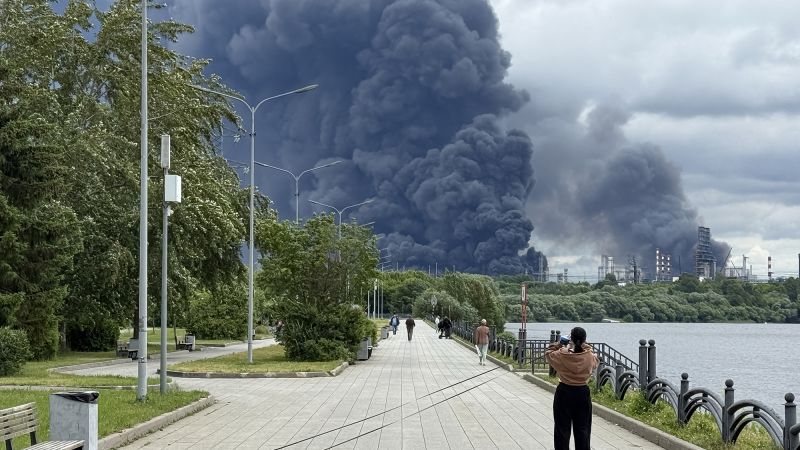
At the core of the crisis lies Ukraine’s relentless drone campaign. In the past month, the scale of these attacks has reached unprecedented levels. Last week alone, Russian authorities reported intercepting 660 drones across 12 regions, marking one of the most intense Ukrainian strikes since the full-scale invasion began in 2022. These drones are not random projectiles; they target critical infrastructure, including refineries, oil terminals, and weapons plants deep within Russian territory. The strategy is clear: to cripple the war economy, forcing the Kremlin to confront the growing costs of sustaining the conflict.
Independent media outlets have captured the growing unease in Russia. Reports from across the country describe long waits at fuel stations, a far cry from the city’s usual efficiency. In Crimea, the situation has escalated further, with fuel sales suspended and a state of emergency declared. The peninsula, once a symbol of Russian dominance, now reflects the war’s reach. Even for a leader accustomed to downplaying setbacks, the reality of the crisis is hard to ignore.
During a weekend gathering, Putin addressed his top advisors and acknowledged the worsening situation. “You are well aware that problems for drivers and for businesses persist,” he said, a rare admission of the strain on daily life. The president also admitted that “queues at gas stations” remain a persistent issue, despite efforts to minimize public awareness. This moment of candor signals a shift in the Kremlin’s approach, as the war’s economic toll begins to press on its leadership.
Yet, Putin’s response shows no signs of hesitation. He revealed that a task force has been formed to tackle fuel shortages, but the message is unmistakable: the war must continue. In a surprising move, he warned that “agriculture is at risk” and emphasized the need to “reduce to a minimum the impact of terrorist attacks on our civilian targets and infrastructure.” This careful phrasing marks a subtle pivot, as the leader who once dismissed Ukrainian drones as inconsequential now seeks to defend them.
“The tide is turning for Ukraine,” von der Leyen declared at the G7 summit in France. “The situation in 2026 is very different from 2025. Russia’s fatigue is openly showing. That’s the time to double down on our support.”
Her words underscore a growing consensus among Western officials that Ukraine’s campaign is reshaping the war’s trajectory. The relentless drone strikes have not only disrupted fuel supplies but also stalled Moscow’s military progress, reversing a trend of territorial gains that had defined the conflict in 2025. The Council on Foreign Relations recently highlighted this impact, noting that the escalation of drone operations directly contributed to Ukraine reclaiming 78 square miles of land in February, a significant shift in the battle’s momentum.
Even Donald Trump, a figure known for his unpredictable stance on global affairs, appears to have softened his approach. At the G7 summit, he suggested that Russia “should make a deal,” a departure from his earlier calls for continued aggression. Days later, in Washington, he praised Zelensky as “courageous” and acknowledged that the Ukrainian leader is “doing pretty well” in the war. These remarks, though brief, hint at a broader realignment in Western perceptions of Russia’s ability to sustain its campaign.
The irony of the current situation is not lost on analysts. For years, Russia’s strategy in Ukraine has focused on destroying energy infrastructure, aiming to destabilize civilian life and erode morale. Power stations, substations, and heating plants were prime targets, creating a climate of uncertainty and hardship. Now, Ukraine has turned the tables, using the same tactics to strike at Russia’s heart. The once-insulated energy sector is now a battleground, with the war’s effects rippling through the nation’s economy and daily routines.
While the Kremlin’s resolve may remain unshaken, the crisis has exposed vulnerabilities. The shortage of gasoline is more than a logistical challenge; it’s a symbol of the war’s broader consequences. As fuel lines grow longer, and the cost of living rises, public sentiment may begin to shift. Yet, Putin’s actions suggest that he is prepared to weather the storm, prioritizing the war effort over domestic convenience. The message is clear: no matter the strain, the Kremlin will not retreat.
Despite the challenges, hope persists among those who have long criticized Russia’s policies. The G7’s support for Ukraine is intensifying, with Western leaders recognizing the strategic advantages gained through relentless drone strikes. As the war economy strains under the weight of these attacks, the pressure on Moscow mounts. But for now, the Russian leader’s response remains steadfast, a testament to the resilience of his regime in the face of adversity.
As the conflict enters a new phase, the battle for resources and morale continues. The war in Ukraine is no longer just about territory or military dominance; it is increasingly about endurance and adaptability. With fuel shortages and growing economic pressure, the question remains: will Putin’s unyielding stance hold firm, or will the weight of the crisis force a recalibration in his strategy? For now, the answer seems to be clear — the Kremlin is burning, but it will not blink.
