
What really happened to Lizzo’s career?
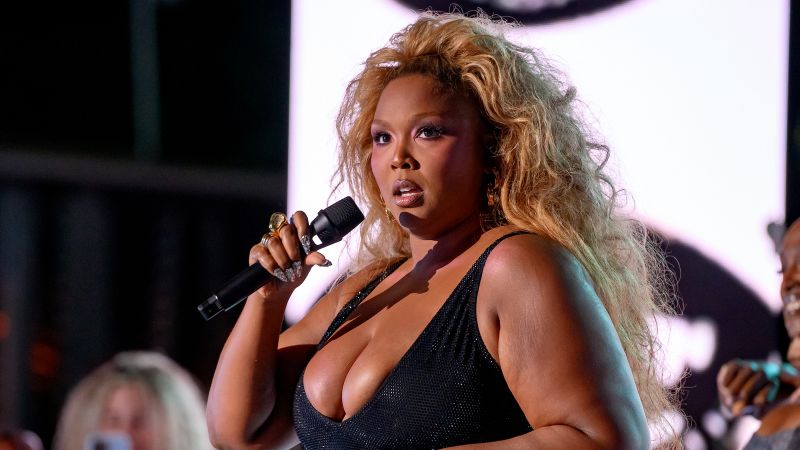
What really happened to Lizzo’s career?
What really happened to Lizzo s career – After a decade of public acclaim and a string of chart-topping hits, Lizzo’s latest project has sparked questions about her trajectory in the music industry. The four-time Grammy winner, known for her unapologetic embrace of self-love and body positivity, released her fifth album in early June. Yet, within days, it seemed to fall short of expectations, with streaming numbers on Spotify hovering below one million in its first 24 hours and sales under 3,000 in the first week, according to Rolling Stone. This marked a stark contrast to her previous success, including the viral anthem “Truth Hurts” and the empowering track “About Damn Time.”
The Algorithm’s Role in a Slump
Lizzo has publicly attributed her recent struggles to the way social media platforms operate. In a TikTok video posted on May 12, she criticized the “algorithm-based” nature of online content curation, suggesting it might have misled fans about the timing of her album’s release. “If your algorithm is super serving you things out of order of when they’re happening, then the general public has no idea when music is actually coming out,” she said. This comment has fueled debates about how digital platforms shape audience engagement and the visibility of artists in the modern era.
Despite her remarks, the album’s lackluster performance has left fans and critics wondering if the issue lies elsewhere. Lizzo’s previous work had not only dominated charts but also sparked cultural conversations around body positivity and confidence. Now, with her new album failing to gain traction, the once-ubiquitous star finds herself in the spotlight for a different reason: “what happened to her?”
A Lawsuit and Its Aftermath
Meanwhile, a legal dispute involving three former dancers has added another layer to the narrative. In 2023, Noelle Rodriguez, Arianna Davis, and Crystal Williams filed a lawsuit against Lizzo, her production company Big Grrrl Big Touring, Inc. (BGBT), and a figure identified as the “dance cast captain.” The accusations included sexual harassment, body shaming, and a hostile work environment, which challenged Lizzo’s image as a champion of self-acceptance. The women have since expressed mixed feelings about the case, stating they are both disappointed and determined.
“It was never our intention to take down a woman of color,” Rodriguez said. “It was never an intention to take down a plus size woman of color specifically.”
According to the dancers, their goal was to hold Lizzo accountable for the values she publicly espoused, rather than to undermine her personally. “I don’t really think it’s our place to discuss or even have an opinion on how her career is going at this point, when that wasn’t even our reason for filing in the first place,” Rodriguez added. “It was never a smear campaign. It was never to take somebody down. I think if anything, in retrospect, I’ve actually had some sadness in the fact that it has impacted her career.”
The lawsuit, initially filed in August 2023, has since drawn attention to the broader dynamics of power and representation in the entertainment industry. Lizzo’s attorney, Melissa Glass, dismissed the claims as lacking “basis in reality,” asserting that no witness has supported the allegations. “Not a single witness has come forward to support their allegations,” the statement read. “In fact, their claims were refuted by 18 witnesses, including most of the other dancers on ‘The Special Tour.’” Glass expressed confidence that Lizzo would succeed in the case.
Support from the Dancers
Chawnta’ Van, a dancer who worked with Lizzo since 2019 and collaborated with the three women who filed the lawsuit, described the situation as a shock. “I felt blindsided and heartbroken,” she said, reflecting on how the allegations disrupted the tour’s momentum. Van noted that the dancers were among the lowest-paid crew members, often working on a per-gig basis, and the cancellation of future performances left them struggling financially.
“As a dancer, we’re the lowest paid. We work gig by gig, literally,” Van explained. “So when all this stuff came out and everything got canceled, it was really hard.”
Van’s comments highlight the personal toll of the lawsuit, which has not only affected Lizzo but also her team. While the dancers insist they aimed to correct issues rather than harm Lizzo, the public perception of her has shifted. The legal battle has coincided with her album’s underperformance, raising questions about whether the two events are connected or if they simply reflect the challenges of maintaining relevance in a rapidly changing industry.
A Legacy of Resilience
Lizzo’s rise to fame began in 2019, when she became a symbol of empowerment for plus-sized Black women. Her unapologetic presence in the music world challenged stereotypes and inspired millions. Yet, her journey has not been without controversy. In 2019, she faced criticism for her backside-bearing outfit at a Lakers game, which sparked discussions about how her body was used as a cultural reference point. Despite the backlash, Lizzo maintained her composure, declaring, “It doesn’t really matter what goes on on the internet, nothing really breaks my joy.”
Now, as her album “Bitch” struggles to resonate with audiences, Lizzo must navigate a new chapter. The album’s title, a bold statement of defiance, seems at odds with its reception, which has been lukewarm compared to her earlier work. Whether this is a sign of waning popularity or a temporary setback, the music industry continues to watch closely. For Lizzo, the challenge is not only to reclaim her momentum but also to reconcile her public persona with the allegations that have emerged.
As the case unfolds and the album’s legacy is debated, the story of Lizzo’s career becomes a case study in how fame, personal expression, and professional challenges intertwine. Her journey reflects the complexities of being a trailblazer in a space where visibility and accountability often collide. With her defenders and critics alike, the singer remains a focal point of conversation — not just for her music, but for the evolving narrative of her influence and impact.
