
Alaska’s capital is small by population but massive in nature
Alaska’s capital is small by population but massive in nature
Alaska s capital is small by population – Juneau, Alaska’s capital, is a place where geography defies the ordinary. Surrounded by towering mountains, icy fjords, and dense rainforests, this city in the northwest of the state offers a stark contrast to the typical American urban experience. Unlike most capitals, Juneau is not connected by road to the rest of Alaska, accessible only via air, sea, or the rare honor of being born there. This remote setting, while inconvenient for some, has made it a magnet for adventurers and nature lovers seeking something beyond the conventional.
The Unconventional Path to a Hidden Gem
Travelers to Juneau often describe it as a place where the world feels both isolated and connected. The absence of roads means that reaching the capital requires a leap of faith—whether by seaplane, ferry, or the unlikely chance of local birth. This unique access has shaped the city’s character, blending the tranquility of wilderness with the vibrancy of cultural hubs. Despite its small population, Juneau’s allure lies in its scale, with vast landscapes that seem to stretch endlessly in every direction.
The city’s location along the Inside Passage, a scenic waterway in the Pacific Northwest, further cements its reputation as a scenic marvel. Its natural beauty is so profound that even its popularity with cruise ship passengers feels justified. “It does rain a lot here,” admits Nathan Hickok, a lifelong resident and heavy equipment operator, “but one sunny day makes all the wet and cold days totally worth it.” His words capture the paradox of Juneau: a place where the weather can be relentless, yet the rewards of its rugged environment are unmatched.
A Climate of Contrasts and Natural Wonders
Juneau’s weather is as dramatic as its scenery. With an average of 230 rainy days annually, the city is often shrouded in mist, but June itself offers a brief reprieve with roughly 50% of days being sunny. This seasonal shift not only affects the city’s atmosphere but also its tourism patterns, drawing massive crowds during the summer months and quieter visitors in the spring and fall. The region is enveloped by the Tongass National Forest, the world’s largest intact temperate rainforest, which contributes to its ecological richness and the city’s reputation as a green oasis.
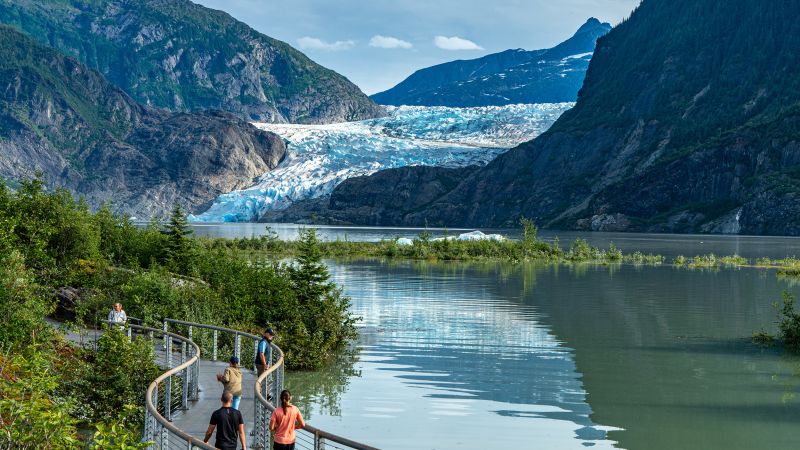
Among the city’s most iconic attractions is the Mendenhall Glacier, a natural spectacle that appears as a frozen blue wave cascading through the valley. Its accessibility—visible from the main road north of town, named Glacier Highway—makes it a popular destination. Visitors can hike close to the glacier, embark on dogsled expeditions, or take a helicopter tour for a bird’s-eye view. However, the glacier is not immune to the climate crisis; as of last year, it no longer touches the lake it once fed, a reminder of the environmental challenges facing this pristine landscape.
Whale Watching: A Majestic Encounter
While the glacier steals the spotlight in summer, Juneau’s marine life offers equally breathtaking experiences. The humpback whales, which graze on krill and other fish in the waters off Auke Bay, are a highlight for many visitors. These leviathans make a 6,000-mile roundtrip journey from Hawaii to Alaska, a feat that underscores their resilience and the vastness of the region. For those interested in witnessing these giants up close, Juneau Whale Tours provides a family-run, affordable option, allowing small groups to slip away from the throngs of cruise ship passengers.
During a June visit, the city’s tourism infrastructure faced its first challenge with a daily cap on disembarking visitors. The limit of 16,000 people per day—about half of Juneau’s population—was introduced to manage the influx, ensuring the natural beauty remains undisturbed. The smaller group size also allows for a more intimate connection with the environment, as seen during a recent two-hour excursion where a custom 50-foot catamaran offered a panoramic deck for photographers and wildlife enthusiasts. The experience was further enhanced by an unexpected encounter with a humpback and a pod of orcas, which, in perfect synchronization, made for a memorable “mugging” of the sea.
Preserving the Magic: A Call for Balance
Juneau’s charm is not just in its natural wonders but also in its ability to balance modern amenities with wilderness. The city’s average summer temperatures, which hover in the low 60s, create an ideal setting for outdoor activities. Yet, the sheer scale of its attractions means that managing crowds is essential to preserving the experience. Nathan Hickok, who has lived in Juneau his entire life, emphasizes the importance of these efforts: “The Alaskan experiences here are endless. There are enough trails here that my wife and I couldn’t get to all of them in the summer.”
Local nature trails serve as a refuge from the hustle of peak season. These paths wind through forests, alongside rivers, and into the foothills of the Chugach Mountains, offering a glimpse into a world that feels untouched. For those seeking solitude, the trails provide an escape from the noise of cruise ship traffic and excursion buses. However, the city’s efforts to limit visitors are not without their challenges. As of last year, the glacier’s retreat has sparked concerns about the long-term impact of climate change, adding urgency to the need for sustainable tourism practices.
A City Shaped by Nature and History
Juneau’s history is as rich as its landscapes. Founded in 1880 during the Klondike Gold Rush, the city has evolved into a cultural crossroads, blending indigenous heritage with modern influences. The Tongass National Forest, which surrounds much of Juneau, is not just a backdrop but a vital part of the region’s identity. Its biodiversity supports a wide array of wildlife, including bears, mountain goats, and whales, making every visit a potential encounter with nature’s wild inhabitants.
The Tracy Arm Fjord, another highlight, is as dramatic as the Mendenhall Glacier but less accessible. This glacial wonder features ice cliffs, waterfalls, and the Dawes Glacier, drawing those who seek a more secluded adventure. Boat tours, primarily organized by True Alaskan Tours, often require advance booking due to the demand, ensuring visitors can fully immerse themselves in the fjord’s serene beauty. The combination of these natural attractions and the city’s unique position as a gateway to Alaska’s wilderness makes Juneau a destination unlike any other.
For those who make the journey to Juneau, the rewards are profound. The city’s ability to blend urban convenience with natural grandeur ensures that even the most crowded days feel special. Whether it’s the hum of seaplanes overhead, the distant calls of whales, or the snow-capped peaks that dominate the skyline, Juneau offers a sensory overload that lingers long after departure. As the climate crisis continues to reshape the environment, the city’s commitment to preserving its natural wonders becomes more critical than ever, ensuring that future generations can also experience its magic.
