
The Seine used to be a toxic mess. Now it’s the hottest new swim spot in Paris
The Seine Used to Be Toxic, Now Paris’ Hottest Swim Spot
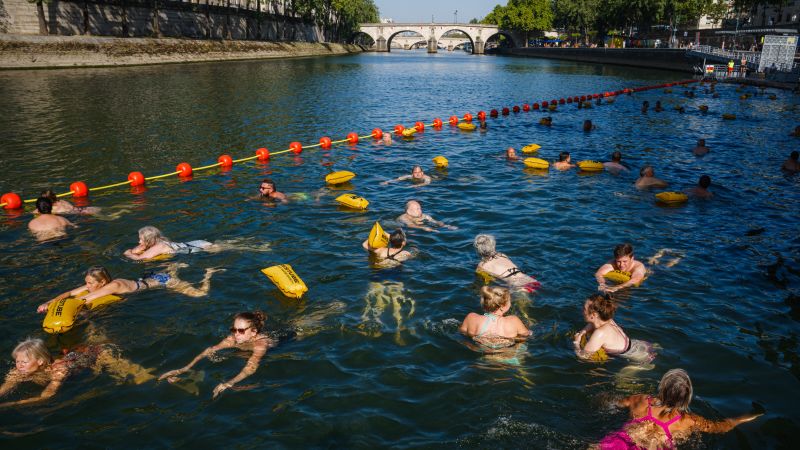
The Seine used to be a toxic – Once a symbol of pollution, the Seine is now becoming a surprising destination for swimmers in Paris. The river’s transformation from a toxic mess to a popular recreational area has captured public attention, especially as temperatures rise and summer heatwaves intensify. With three designated swim zones opened this year, the Seine has redefined its role in the city. This change reflects a remarkable environmental effort that has revitalized the river, turning it into a place where Parisians and tourists can enjoy the water again.
A Historical Shift in River Use
Swimming in the Seine has a long history, but its reputation shifted dramatically in the 20th century. By the 1920s, the river had become so polluted that it was declared biologically dead. This decline led to a complete ban on public swimming, which was enforced until the 1980s. Despite this, the practice of river swimming never disappeared entirely. It lingered in the form of clandestine gatherings, especially during scorching summers when the water felt more inviting than ever.
The Seine used to be a river that carried more than just water. In the mid-20th century, it became a dumping ground for untreated sewage, making it a breeding ground for bacteria and harmful chemicals. This was a turning point for the river’s image, with locals and visitors avoiding its banks for decades. However, the persistence of Parisians’ connection to the Seine is evident in the way they’ve embraced its revival. Today, the river is not only a cultural landmark but also a space for leisure and relaxation.
Revitalizing the River: A Political Vision
Paris’ environmental comeback began in earnest with the 1988 campaign of then-mayor Jacques Chirac. He promised to swim in the Seine within three years, an act meant to signal the river’s improved quality. Though the promise was never fully realized, it sparked a movement toward cleaning the Seine. Fast forward to 2016, and the current mayor, Anne Hidalgo, took up the mantle, aiming to make the Seine a focal point for sustainable urban development. This effort culminated in the construction of an underground basin near Gare d’Austerlitz, designed to manage stormwater and reduce pollution.
The Seine used to be a flowing urban cesspit, but modern engineering has changed that. The new system ensures that excess water is stored, preventing it from mixing with the river’s flow. This innovation has significantly improved water quality, paving the way for safe swimming in areas like the Pont Neuf and Quai des Orfèvres.
This progress has not only made the Seine more habitable but has also rekindled its status as a vital part of Parisian life. The success of the swim zones has demonstrated how environmental initiatives can transform a city’s relationship with its natural resources.
From Pollution to Public Access
For years, the Seine used to be a river that many associated with grit and grime. The combination of industrial waste and untreated sewage turned its waters into a murky, foul-smelling environment. This made it unsuitable for swimming, let alone recreational use. Yet, the city’s commitment to cleanliness has allowed the Seine to shed its toxic reputation. The swim zones, which opened in the summer of 2026, are a direct result of these efforts, offering a glimpse into the river’s potential as a public space.
These designated areas are carefully monitored to ensure safety, with regular water quality checks and sanitation measures in place. As the Seine used to be a source of concern, it now serves as a model for sustainable urban renewal. The success of the swim zones has not only boosted tourism but has also inspired other cities to consider similar projects. Paris, once a city that avoided its own river, is now leading the way in reclaiming it for the community.
