
Almost every Russian region hit by fuel crisis, as Ukraine escalates drone attacks
Russia Fuel Crisis Hits All Regions Amid Ukraine Drone Attacks
Widespread Shortages Across 83 Regions
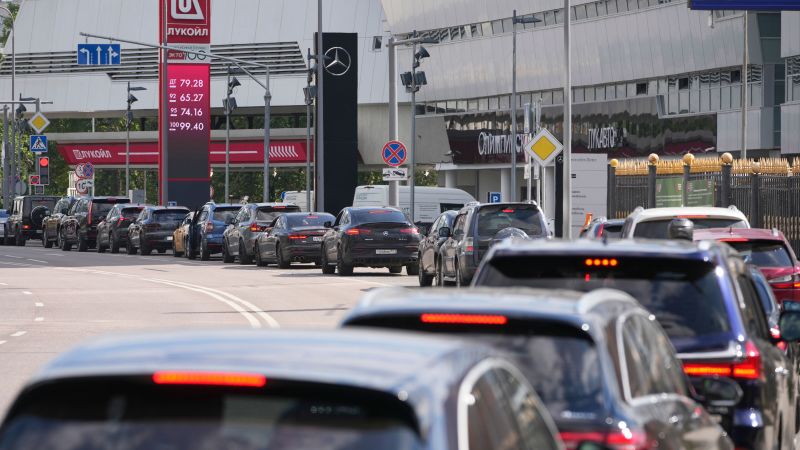
Almost every Russian region hit by fuel – Almost every Russian region hit by the fuel crisis is now facing gasoline shortages or supply disruptions, according to a CNN analysis. The situation, which initially intensified in Crimea, has expanded to cover the nation’s 11 time zones, impacting both urban and rural areas. As the government struggles to contain the crisis, many gas stations have introduced purchase limits, with reports indicating that over 50 regions have officially confirmed fuel supply issues. Unofficial accounts suggest that the problem is even more widespread, affecting nearly all regions and highlighting a growing challenge for Russia’s energy infrastructure.
Ukraine’s Drone Campaign Threatens Energy Supplies
The fuel crisis has been worsened by a surge in Ukrainian drone attacks targeting refineries, which have left critical facilities damaged or inoperable. This campaign has forced Russian authorities to implement emergency measures, such as a temporary ban on fuel sales in Crimea on June 21. Now, the impact is felt across multiple areas, with gas stations imposing rationing to manage dwindling reserves. The government’s response has been described as a “hasty PR campaign” to calm public concerns, though the underlying vulnerability of the energy sector remains evident.
Experts Highlight Severe Regional Impact
According to Sumit Ritolia, lead analyst at Kpler, the current fuel shortage is more severe than previous instances. “The key difference is the scale and persistence of the attacks,” he noted in a recent assessment. Last August saw a similar uptick in Ukrainian strikes, but experts now argue the situation is worse. Ritolia estimated that Russian gasoline production is currently operating at 20% below domestic demand due to the relentless drone assaults. Refinery output, a crucial measure of energy capacity, has dropped to multi-year lows, further complicating the crisis.
Analysts also emphasize the strain on repair efforts. Sergey Vakulenko, a senior fellow at the Carnegie Russia Eurasia Center, described the ongoing battle between maintenance teams and attackers as a “race against time.” He added that Ukraine has increased the frequency and number of drones deployed, testing the resilience of Russia’s oil industry. “The industry’s ability to withstand repeated damage is being pushed to its limits,” Vakulenko wrote, underscoring the growing threat to energy production.
Public Frustration Mounts as Fuel Access Shrinks
As the fuel crisis deepens, public tensions have escalated across almost every Russian region hit by supply disruptions. In Moscow, a viral video showed two women arguing over their positions in a long gas station line, with one accusing the other of cutting in line and calling her a “moron.” Similar scenes have emerged in Krasnodar, where a man refueled a container in his car, sparking backlash from nearby drivers. These incidents reflect the rising anxiety over fuel access, with people competing for limited supplies and authorities struggling to maintain order.
Some regions have implemented strict measures to curb fuel hoarding. In Irkutsk, one of the most affected areas, officials banned the use of large canisters capable of holding five gallons, restricting fuel sales to emergency services only. This policy has sparked mixed reactions, with some praising it as a necessary step to stabilize the market and others criticizing it for deepening public frustration. “It’s a double-edged sword,” said Alexander Kolyandr, a senior fellow at the think tank, explaining how such restrictions can both alleviate shortages and drive up inflation.
Government Takes Action Against Fuel Profiteering
Russian authorities have stepped up efforts to penalize those exploiting the crisis. In Irkutsk, police fined four individuals on Monday for reselling fuel at inflated prices, according to the region’s Interior Ministry. One case involved a 20-year-old man caught in a sting operation, where anti-corruption officers posed as buyers to expose his illegal activities. The man was allegedly selling gasoline at four times the national average, drawing attention to the black market’s role in exacerbating the shortage.
Putin’s remarks during a Sunday state TV interview revealed the government’s awareness of the fuel crisis. “We are currently seeing certain shortages, although they are not critical,” he stated, aiming to project confidence. However, his mention of the need to “rapidly and significantly increase production of air defense systems” suggests a deeper concern about the country’s vulnerability to continued attacks. The president’s comments highlight the interconnected nature of the energy and defense sectors, as almost every Russian region hit by the crisis faces heightened risks.
