
Cuba’s hotels sit empty as US pressure campaign drives tourists away
Cuba’s Tourism Sector Plunges Amid US Sanctions
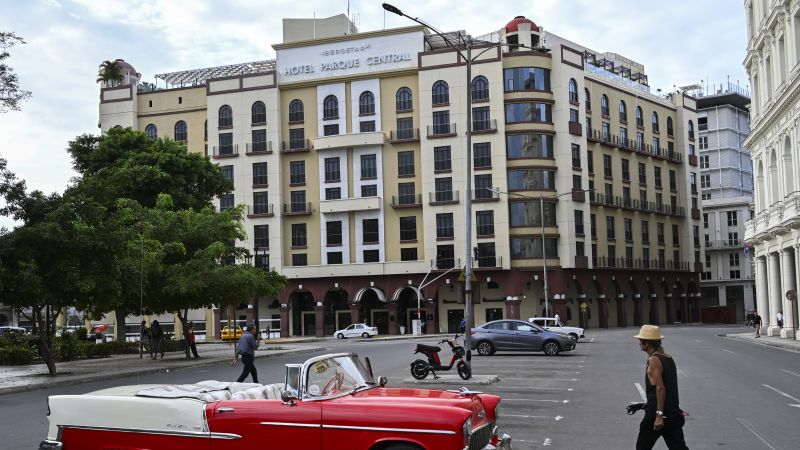
Cuba s hotels sit empty as US – Once a beacon for travelers seeking vibrant culture and pristine beaches, Cuba’s tourism industry now faces a stark decline. With the nation’s hotels largely unoccupied and historic landmarks falling silent, the island’s economic survival hinges on the dwindling number of visitors. The collapse of this vital sector is attributed to a series of aggressive measures by the United States, which have intensified pressure on the Cuban government over the past few years.
A Decade of Development Now in Peril
Cuba’s government had long relied on tourism as a cornerstone of its economic strategy, investing heavily in infrastructure and hospitality over the last decade. Yet, the current crisis has left these efforts largely unfulfilled. According to Cuban government data, international tourist arrivals in the first five months of 2026 totaled 360,000, marking a 58% drop compared to the same period in 2025. This sharp decline has transformed iconic destinations into empty landscapes, with places like Old Havana—home to centuries-old Spanish colonial architecture—now appearing as quiet ruins.
Old Havana, a historic district established in the 16th century, was once a bustling hub for visitors. Today, its once-thriving plazas and cobblestone streets echo with silence, as the flow of foreign tourists has all but ceased. Elio, a local musician and performer in the area, shared his perspective during a conversation with CNN: “There are no tourists. Maybe they are at home. One comes by only every half hour or hour.” He chose to omit his last name to avoid potential consequences for engaging with foreign media.
Sanctions and Supply Chain Disruptions
The Trump administration’s policies have played a central role in this downturn. A military strike in January 2026 against Venezuela, Cuba’s former ally, severed a key oil supply route, crippling the island’s energy infrastructure. This was followed by an oil blockade imposed by the United States, which further destabilized the economy. As a result, air carriers have struggled to maintain operations, with many canceling flights due to the inability to refuel on the island.
The economic toll of these sanctions has also extended to the private sector. International hotel chains, once a prominent feature of Cuba’s tourism landscape, have withdrawn from the market, leaving behind vacant resorts and shuttered attractions. The Cuban government, which maintains control over much of the hospitality industry, now grapples with the challenge of sustaining its tourism-driven economy without external investment. Despite these setbacks, the administration maintains that its strategy is aimed at dismantling Cuba’s tightly controlled political system and encouraging greater foreign participation in the sector.
Political and Economic Reforms in Crisis
In June, Cuban President Miguel Díaz-Canel proposed a series of reforms to revitalize the tourism industry, including the possibility of allowing Cubans—both within the country and abroad—to manage hotels. This move reflects a shift in the government’s approach as it seeks to address the crisis. However, the success of these reforms remains uncertain, especially given the current legal framework that ensures state ownership of key sectors.
Cubans have long been affected by the economic strain caused by US policies. For instance, Lucy Davies, director of UK-based travel firm Cubania Travel, noted that the situation has made Cuba an unappealing destination for many. “Who would want to travel to a country in such dire straits? People are prepared to tolerate some discomfort on their holiday. But now it feels like a dark tourism experience,” she remarked. To mitigate the crisis, Davies has shifted her efforts toward organizing food donations for locals impacted by the downturn, creating a temporary solution to a growing problem.
Trump’s Strategy and Its Consequences
President Donald Trump has continued to frame the sanctions as a necessary tool to pressure Cuba into economic and political concessions. In a June interview with Axios, he drew a comparison between Cuba’s tourism potential and Venezuela’s oil reserves, suggesting that the island’s natural assets could be leveraged to secure broader reforms. “Venezuela has oil. Cuba doesn’t. Cuba has a nice property and they have nice shoreline,” he stated, highlighting the administration’s belief in the viability of its approach.
However, the impact of these measures has been felt acutely across the island. The pandemic had already disrupted Cuba’s tourism industry, but the subsequent US sanctions have exacerbated the crisis. Many travelers, deterred by the uncertainty and economic instability, have opted to avoid the country altogether. The result is a sector that once thrived on international visitors now struggles to sustain itself, with once-bustling resorts now standing as empty shells.
A Future Uncertain
With the tourism sector in crisis, Cuba’s government is facing mounting pressure to adapt. The recent reforms, while promising, may not be enough to reverse the tide. Cuban economist Pedro Monreal, based in Spain, expressed skepticism about the private sector’s ability to take over hotel management. “It is unrealistic to expect that Cubans—whether in exile or on the island—could replace established hotel chains,” he told CNN. “The government’s control over these assets remains crucial for any recovery.”
The long-term effects of the US pressure campaign are yet to be fully realized. As the island’s economy continues to falter, the question remains whether Cuba can regain its footing in the global tourism market or if the current trajectory will lead to deeper decline. For now, the once-vibrant tourism industry stands at a crossroads, with the fate of its hotels and the livelihoods of countless workers hanging in the balance.
The situation has also prompted a reflection on how far Cuba has come in its efforts to modernize. While the country has made strides in infrastructure and service, the combination of political isolation and economic challenges has created a perfect storm. As the Cuban government explores new avenues for revitalization, the world watches to see if its reforms can bridge the gap between policy and practical outcomes. Until then, the island’s hotels remain a symbol of a sector in turmoil, waiting for the return of the travelers that once defined its identity.
“We are open to Cubans who want to invest and manage hotels,” Díaz-Canel said. “We have also offered these business opportunities to Cubans residing abroad.”
Despite the challenges, there is a glimmer of hope. Some Cubans, both at home and abroad, are stepping up to fill the void left by international chains. This grassroots effort, however, is only a temporary measure. As the crisis deepens, the need for sustained investment and international support becomes increasingly urgent. For now, Cuba’s tourism sector remains a cautionary tale of how political and economic pressures can reshape an entire industry overnight.
