
France and Morocco’s intense rivalry gets the World Cup quarterfinals started with a bang
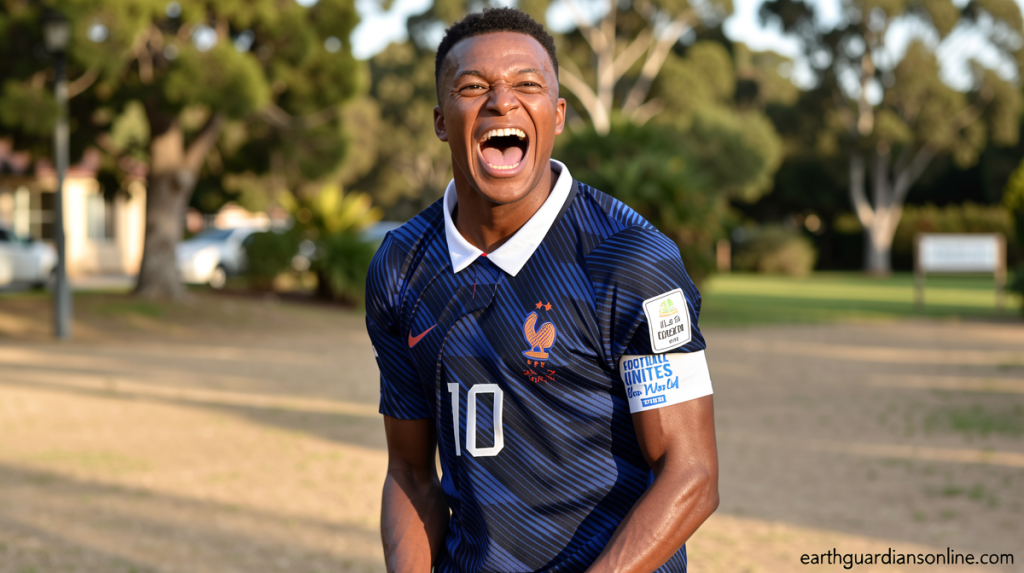
France and Morocco Set Stage for Dramatic World Cup Quarterfinal Showdown
France and Morocco s intense rivalry – For those of us accustomed to daily football entertainment, yesterday’s television schedule felt somewhat empty. Nearly a month of continuous World Cup coverage had become our routine, so the absence of live matches was noticeably strange. Fortunately, the excitement resumes today as France and Morocco begin the quarterfinal stage in what promises to be an unforgettable encounter. This fixture carries particular weight given the deep historical connections between these two nations.
A Rivalry Rooted in History
While Morocco enters as the slight underdog, dismissing their chances would be premature. Such an outcome would rank among the tournament’s most surprising results, yet it would hardly be unprecedented given the Atlas Lions’ remarkable progression over recent years. France remains the overwhelming favorite, loaded with world-class talent and pursuing their third consecutive final appearance. However, I believe Morocco presents Les Bleus with their most demanding challenge thus far.
The stakes feel personal for both sides. Morocco still harbors memories of France’s 2-0 semifinal victory that ended their magical campaign at the previous World Cup in Qatar. Yet this Moroccan squad has evolved beyond simply being pleased with reaching the latter stages of major competitions. They genuinely believe they possess the capability to claim the title this summer.
“I don’t like this feeling where we can say what we’ve done up until now is great and rest is bonus,” Morocco manager Mohamed Ouahbi declared before the match. “No, the only bonus is to win the World Cup.”
Both Teams Ready for Battle
Morocco’s knockout stage performances have demonstrated considerable resilience. They overcame the Netherlands through penalty kicks and dispatched Canada 3-0 during the Round of 16, even when not performing at their peak. Securing victory against France will demand sustained excellence across the full ninety minutes, or potentially beyond, which has occasionally proven challenging for the Moroccans throughout this tournament.
France, meanwhile, has navigated the competition with relative ease. After breezing through group play, they demolished Sweden in the Round of 32 and demonstrated their ability to win unglamorously with a narrow 1-0 triumph over Paraguay in the last sixteen. Manager Didier Deschamps refuses to become complacent, fully recognizing the threat Morocco poses during counterattacks.
“We met them four years ago in the semifinal. They also played in the African final. It is a really great, excellent team with top-notch individuals. They’re not here to play. They’re there to win,” Deschamps emphasized. “We have to be ready.”
Beyond the Pitch
This quarterfinal carries significance extending well beyond football. France’s colonial heritage in North Africa has created a substantial Moroccan diaspora across Europe. Consequently, most of Morocco’s squad comprises players born outside their adopted nation. Six French-born athletes could feature for the Atlas Lions today, choosing to honor their heritage through pride rather than obligation.
Skeptics occasionally argue that certain players selected Morocco because they failed to secure places in stronger national teams like France or Spain. Though often baseless, this narrative adds fuel to the competitive fire when these teams meet in Foxborough later today.
Refereeing Controversy Resurfaces
Off the field, another storyline demands attention. FIFA Chief Refereeing Officer Pierluigi Collina has found himself defending his officials amid mounting criticism. Yesterday, Egypt claimed their match against Argentina was manipulated to assist Lionel Messi and his squad advance to the quarterfinals. This followed numerous questionable decisions and inconsistencies regarding video assistant referee usage throughout the tournament.
“We are not influenced by anyone,” stated Pierluigi Collina, FIFA Chief Refereeing Officer, addressing the officiating controversy.
Former US president Donald Trump also contributed to the debate earlier this week, describing the official who issued a red card to American striker Folarin Balogun as “suspect.” These developments have prompted Collina, arguably soccer’s most renowned referee, to publicly support his team’s decisions.
