
Wildfire smoke is driving terrible air quality in major cities, but relief is coming
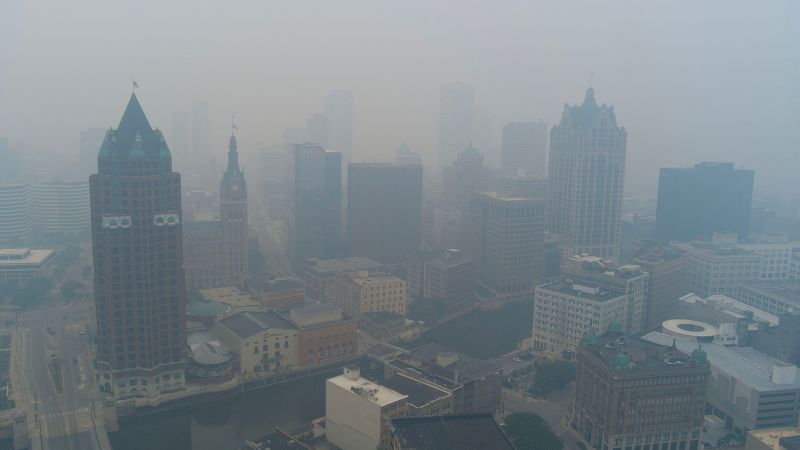
Smoke Blankets Eastern US Cities as Air Quality Deteriorates
Wildfire smoke is driving terrible air quality – Wildfire smoke is driving terrible conditions across the eastern United States right now. A massive plume from Canadian forests has settled over metropolitan areas in the Midwest, Northeast, and mid-Atlantic regions. More than one hundred million people in eighteen states and Washington, DC, are breathing hazardous air. Officials have extended air quality warnings through Saturday as additional layers of smoke continue moving southward across the affected territory.
Communities Under Siege
The polluted zone stretches from northeastern Minnesota to southeastern Virginia, with both “very unhealthy” and “hazardous” ratings now in place. Weather patterns will determine which cities face the worst conditions day by day. Washington, DC, recently joined other struggling locations as smoke continued its Friday southward progression.
Chicago is currently experiencing its worst air quality in recorded history, the mayor’s office said in a social media post Thursday evening. Please stay indoors, and if you must go outdoors, use a well-fitted N95 or KN95 mask for your safety.
Events and Activities Cancelled
Bad air has forced numerous cancellations. The Cleveland Guardians postponed their Friday game against the Pittsburgh Pirates, planning a split doubleheader instead. The RowFest National Championships in Michigan also called off their event. Outdoor celebrations across major cities suffered similar setbacks.
A baby parade in Flint, Michigan, a rock concert in Herndon, Virginia, and Pittsburgh’s America’s Mile marathon all succumbed to lingering smoke on Friday. Businesses have felt the impact too. Pennsylvania’s Kennywood amusement park and Sandcastle Water Park both shut their doors because of unhealthy atmospheric conditions during what should be peak season.
Improvement on the Horizon
Forecasters predict several thunderstorm systems moving from the lower Great Lakes into the Northeast on Saturday. While hazy skies and potentially unhealthy air may linger, especially during early Saturday hours, conditions should gradually improve from west to east. Rainfall, changing wind patterns, and an approaching cold front are expected to eventually disperse the smoke, though not all areas will see immediate relief.
Chicago is currently experiencing its worst air quality in recorded history, the mayor’s office said in a social media post Thursday evening.
Local Responses and Personal Stories
Milwaukee, Chicago, and Detroit reported some of the nation’s most severe air quality readings on Friday morning. However, dangerous pollution levels extended further south into southern Ohio and West Virginia. The Detroit Health Department announced free mask distribution to residents on Friday while encouraging everyone to remain indoors. Philadelphia officials warned that nearly all residents would likely experience health effects from smoke exposure.
Everyone is likely to experience health effects from being exposed to smoke in the air Friday, officials warned in a media release.
DC Health has been distributing masks to government personnel working outdoors while canceling outdoor activities and closing pools and spray parks. Residents from Minnesota to Washington, DC, have shared how the noxious air has disrupted daily routines, affecting health, leisure activities, businesses, and family life. Many recalled similar experiences during the COVID-19 pandemic approximately six years ago.
DC mother Erin Cotton noticed the smoke only after her eyes began watering and her five- and one-year-old children complained of itchiness. Having lived through California’s Palisades Fire last year, she recognized the symptoms immediately. Her daughter’s summer camp activities were disrupted, and traffic congestion doubled her usual commute time as more residents chose driving over walking. Children arrived in swimsuits but could not play outside due to poor air quality, resulting in widespread meltdowns.
The kids showed up in their swimsuits but could not go outside to play because of how bad the air quality and smoke was, she said. All the kids had meltdowns.
Abigail Nguyen, another DC resident, had been looking forward to warm summer weather before the smoke made her hesitant about her routine runs to the National Mall and daily dog walks. She described visibility dropping significantly, making outdoor activities feel like navigating through fog.
