
One death reported in New York City Legionnaires’ disease cluster
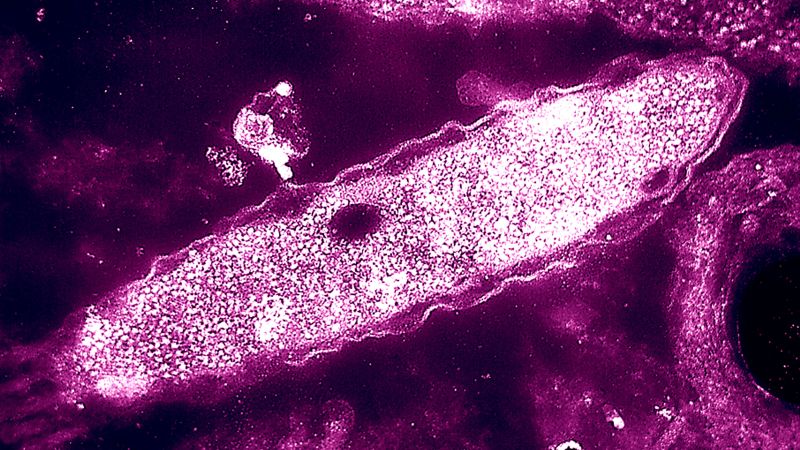
One Death Reported in New York: Legionnaires’ Disease Cluster Update
One death reported in New York marks a tragic development in the ongoing Legionnaires’ disease outbreak affecting the city. Health Commissioner Dr. Alister Martin confirmed Friday that a single fatality has been linked to the growing cluster of cases. As of Thursday evening, officials have documented 67 total cases, with 12 individuals currently hospitalized. The remaining 43 patients who were previously admitted have successfully recovered and been discharged from medical facilities.
Investigation Points to Cooling Towers
Health officials have identified a likely source connecting the cases. According to Dr. Martin, authorities will not disclose additional details about the deceased individual at this time. The investigation centers on bacteria discovered in building cooling towers located on the Upper East Side of Manhattan. Testing revealed that towers belonging to 76 buildings tested positive for Legionella bacteria, prompting immediate action from city health departments.
“All have confirmed that they completed the required remediation,” Martin stated in an official release regarding the affected cooling towers.
Property owners received orders to drain, clean, and disinfect their cooling systems following the positive test results. This current outbreak echoes a similar incident from last year, when a community cluster in Harlem resulted in 92 hospitalizations and seven deaths. That earlier outbreak was also traced to cooling towers, leading to significant policy changes in the city.
In response to the previous outbreak, New York enacted legislation in May requiring more frequent inspections of cooling tower equipment. The new law also increased financial penalties for property owners who failed to maintain proper compliance standards. These regulatory measures aim to prevent future outbreaks and protect public health across the five boroughs.
Understanding Legionnaires’ Disease Transmission
Cooling towers serve a critical function in building climate control systems. These structures expel heat from buildings into the atmosphere by drawing outside air through warm water circulated from a central chiller. The water gets sprayed over fill material, and as fans pull air through, a small portion evaporates, cooling the remaining water for recirculation. When bacteria are present in these systems, people can become ill through exposure to the vapor.
Research indicates that cooling towers and similar warm, wet environments—including hot tubs, spas, decorative fountains, and certain plumbing systems—create ideal conditions for Legionella bacteria growth. Public health officials have clarified that this particular outbreak is unrelated to drinking water supplies, shower systems, or standard air conditioning units.
New York typically experiences hundreds of Legionnaires’ cases annually, but officials have observed a concerning concentration of cases in three specific ZIP codes: 10128, 10028, and 10075. Residents and visitors who have been in these areas during the past two weeks should monitor for symptoms including fever, chills, fatigue, headaches, reduced appetite, confusion, and diarrhea.
Legionnaires’ disease is not contagious between individuals and responds well to treatment when patients receive antibiotics early in the illness. While most people exposed to Legionella bacteria remain healthy, certain populations face higher risk. Vulnerable groups include individuals over age 50, smokers and vapers, and those with compromised immune systems or chronic conditions such as diabetes, heart disease, kidney problems, liver disorders, or lung disease.
Currently, no vaccine or preventive medication exists for Legionnaires’ disease. The New York health department has also noted that face masks do not appear to provide meaningful protection against the bacteria. Officials continue to monitor the situation closely as they work to contain the outbreak and prevent additional cases from developing in the affected neighborhoods.
