
A major chunk of Chicago-area home listings just went dark on Zillow. Here’s why
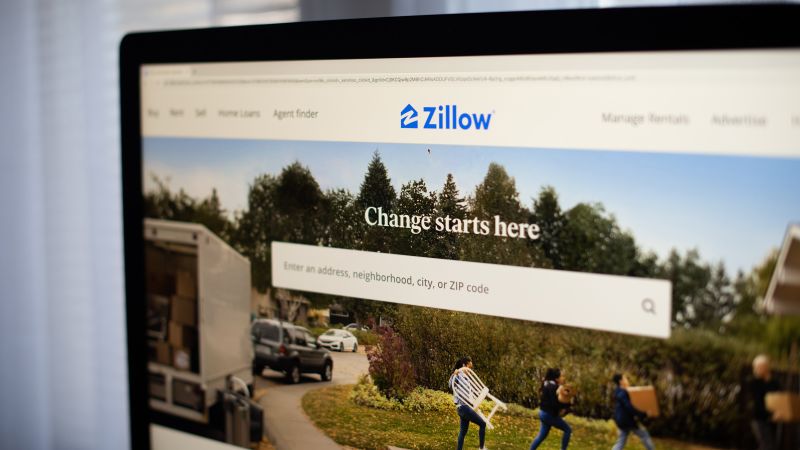
A major chunk of Chicago-area home listings just went dark on Zillow. Here’s why
A major chunk of Chicago area – On Wednesday, a noticeable shift occurred in the real estate landscape of the Midwest, particularly in the Chicago region, as many home listings disappeared from Zillow. This development stems from a growing legal battle that has disrupted the flow of new properties to the platform. Midwest Real Estate Data (MRED), a regional multiple listing service (MLS), cut off Zillow’s access to its database at midnight Central Time, leaving buyers and sellers with limited visibility into the market. The decision by MRED highlights the intensifying conflict over so-called private listings, which are homes marketed to specific buyers before being shared on public platforms like Zillow.
The Legal Battle Over Private Listings
MRED’s action is part of a broader dispute with Zillow over its policy on private listings. The company recently accused Zillow of breaching its licensing agreements, leading to the temporary suspension of Zillow’s access to MRED’s database. This move has direct implications for homebuyers, as listings that were previously available are now missing from the platform. The dispute centers on Zillow’s requirement that any home marketed to consumers must be published on the site within 24 hours, or it will be banned. MRED argues this rule unfairly targets Compass, the largest real estate brokerage, which it partners with to create a national private-listing network.
Zillow’s new policy aims to promote transparency and fairness in the real estate market, especially as private listing networks expand. By mandating rapid publication, the company seeks to ensure that all listings are accessible to the public. However, MRED and Compass claim this rule restricts their ability to control how properties are marketed. The partnership between MRED and Compass has been a strategic effort to offer sellers more flexibility, allowing them to target buyers before exposing their homes to broader competition.
Compass’s Role in the Dispute
Compass, which has long advocated for private listings, has been a central figure in this legal showdown. The brokerage’s CEO, Robert Reffkin, has consistently argued that private listings empower sellers by giving them more control over their marketing strategies. He has called the price history and days on market data typically displayed on MLS databases a “killer of value,” suggesting that these metrics can mislead buyers and reduce property prices. Critics, however, warn that such a system could incentivize sellers to prioritize deals with agents from larger brokerages, potentially creating conflicts of interest and reducing competition.
The tension between Zillow and Compass escalated last year when Zillow introduced its rule limiting private listings. This prompted Compass to file a lawsuit against Zillow, alleging an anticompetitive strategy to maintain dominance over digital home listings. Despite this legal challenge, Compass recently dropped the case. The brokerage’s spokesperson reiterated its stance, stating that restricting listing visibility undermines consumer choice and penalizes agents for exercising lawful marketing options.
Zillow’s Allegations Against MRED and Compass
In response to MRED’s decision, Zillow filed a federal lawsuit in Illinois, accusing the MLS and Compass of conspiring to block its access to listings. The company also highlighted that Compass holds three board seats at MRED, out of a total of 17, suggesting the brokerage has disproportionate influence over the MLS’s policies. Zillow claims this control is being used to expand private listings and weaken its rules, which it argues are essential for fair market access.
Zillow’s spokesperson criticized the move, stating, “Chicagoland home buyers and sellers this morning have far worse access to the housing market than they had yesterday, because their local MLS decided one megabrokerage’s profits mattered more than their ability to achieve the American Dream.” This statement underscores the company’s belief that MRED’s actions prioritize Compass’s interests over the public’s access to real estate data. The spokesperson further emphasized that the loss of listings affects both buyers and sellers, limiting the information available to make informed decisions.
The Impact on Buyers and Sellers
The consequences of MRED’s decision are immediate and significant. Any new listings added after Wednesday will not appear on Zillow, and existing listings will not be updated with changes. This creates a fragmented market where buyers may miss out on key properties, and sellers could struggle to reach a wider audience. For instance, a home that was previously listed with its price history and days on the market will now be invisible to Zillow users, potentially affecting their ability to compare prices or gauge market trends.
Compass and MRED have defended their actions, asserting that the private listing network provides benefits to sellers who want to target specific buyers. They argue that the system allows for more strategic marketing, giving agents the freedom to negotiate deals without public scrutiny. However, critics raise concerns about the potential for bias, as the network might favor brokerages that are more willing to share data with Compass. This could lead to a situation where sellers are pressured to collaborate with agents from larger firms, reducing competition and increasing costs.
Broader Implications for the Real Estate Industry
The conflict between Zillow and MRED has sparked a wider conversation about the role of digital platforms in real estate. Zillow’s requirement for rapid publication reflects its attempt to standardize the market, but it also raises questions about whether it is stifling innovation. Since January, when Compass acquired Anywhere Real Estate, the brokerage has grown into the largest real estate firm in the country, solidifying its influence over industry practices. This expansion has led to increased support for private listings, with more brokerages adopting similar strategies to keep pricing details confidential.
MRED’s CEO, Rebecca Jensen, defended the MLS’s rules, stating, “The rules of this MLS exist to protect every participating broker and every consumer who relies on a complete and accurate picture of the market.” She emphasized that these rules apply equally to all participants, regardless of their size. This position suggests that MRED and Compass believe their actions are necessary to maintain fairness and protect sellers from being overexposed in a competitive market.
Zillow’s lawsuit and MRED’s database cutoff represent a critical turning point in the battle over private listings. The outcome of the legal dispute could reshape how real estate data is shared and accessed, potentially setting a precedent for other platforms and brokerages. As the federal court in Illinois prepares to rule, the real estate community watches closely to see whether the balance between transparency and seller autonomy will be restored or further tilted in favor of private marketing strategies.
With the Midwest Real Estate Data database now cut off, the Chicago region faces a temporary shortage of listings on Zillow. This situation has raised concerns about the accessibility of housing data and the role of digital platforms in shaping market dynamics. As the legal battle unfolds, the impact on buyers, sellers, and the broader real estate ecosystem remains a focal point of the discussion. The resolution of this dispute may determine the future of home listings in the digital age, influencing how properties are marketed and how consumers navigate the market.
Looking Ahead: A New Era for Real Estate Listings
The conflict between Zillow and MRED underscores the evolving nature of real estate marketing. As digital platforms like Zillow push for greater transparency, regional MLSs and brokerages advocate for flexibility in how properties are advertised. The outcome of this dispute could lead to new rules that either expand the use of private listings or require more standardized data sharing. For now, the Chicago market experiences a temporary disruption, with buyers and sellers adapting to a landscape where key information is less readily available. This situation highlights the importance of balancing competition with accessibility, as the real estate industry continues to navigate the complexities of digital innovation.
